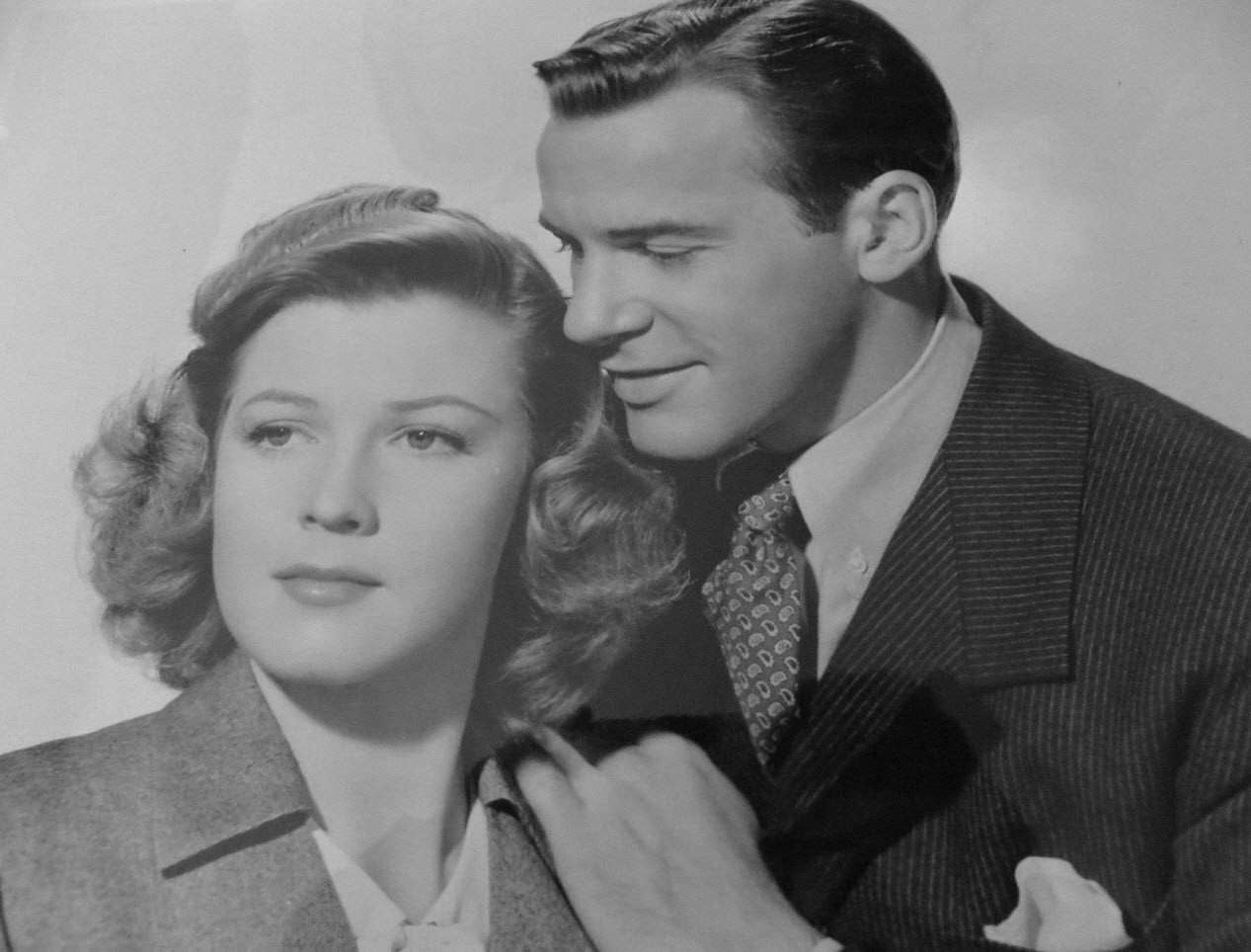
Ever get that feeling that justice isn't just blind, but maybe a little bit crooked? That's the vibe you get within the first ten minutes of the MGM classic A Stranger in Town. Released in 1943, right in the thick of World War II, this movie isn't a battlefront epic. It's something much more intimate and, frankly, much more relatable. It’s about a guy who just wants to go fishing but ends up dismantling a corrupt political machine instead.
When people look up the A Stranger in Town 1943 cast, they usually expect a list of names they’ve forgotten. But honestly? The talent in this film is what keeps it from being just another dusty "B-movie" from the archives. It features Frank Morgan—yes, the Wizard of Oz himself—playing a role that is about as far from a "humbug" as you can get.
The Heavy Hitters: Frank Morgan and the Moral Compass
Let’s talk about Frank Morgan. Most of us see his face and immediately think of green smoke and "pay no attention to that man behind the curtain." But in A Stranger in Town, Morgan plays John Josephus Grant, a Supreme Court Justice who tries to go on a quiet vacation under an alias. He’s grumpy. He’s tired. He just wants to catch some fish.
But Morgan brings this incredible, understated dignity to the role. He’s not playing a superhero. He’s playing a man who believes in the law so much it physically hurts him to see it being twisted. It’s a masterclass in "Old Hollywood" character acting. He uses his voice—that slightly warbling, authoritative yet gentle tone—to command every scene.
Then you’ve got Richard Carlson. You might recognize him from Creature from the Black Lagoon or It Came from Outer Space. Here, he’s Bill Adams, the young, idealistic lawyer who’s trying to fight the local "Combine" in a town that’s basically owned by a corrupt mayor. Carlson is great because he isn't too polished. He looks like a guy who’s actually stressed out by his mortgage and his lack of clients.
Jean Rogers plays Lucy Gilbert, and she’s more than just the "love interest." She’s the secretary who actually knows where all the bodies are buried. Rogers had this sharp, intelligent energy that made her stand out in 1940s cinema, even if she didn't always get the A-list scripts she deserved.
The Supporting Players: Why Character Actors Mattered
The thing about 1943 movies is that the "bit players" were often better than the leads in modern films. Take Robert Barrat as Mayor Connison. He’s the villain, but he doesn't twirl a mustache. He plays it like a businessman who thinks he's doing the town a favor by running it like a dictatorship. It’s a chillingly realistic portrayal of small-town corruption.
- Porter Hall as Judge Austin Harkley. Hall was the king of playing fussy, slightly irritable men. Here, he’s the judge who’s in the mayor’s pocket.
- Walter Baldwin as Tom Cooney.
- Chill Wills as Service Stackpole. If you’ve watched any Westerns from the 40s or 50s, you know that voice. He provides the "salt of the earth" vibe that grounds the movie.
- Irving Bacon as Orvie.
These actors weren't just names on a call sheet. They were the texture of the film. When the A Stranger in Town 1943 cast comes together, it creates a town that feels lived-in. You believe these people have known each other for thirty years. You believe the local diner serves terrible coffee and everyone knows everyone's business.
Why the Year 1943 Changed the Script
Context is everything. In 1943, the U.S. was fully committed to the war effort. Most movies were either patriotic musicals or gritty war films. A Stranger in Town is a bit of an outlier. It’s a "civics lesson" disguised as a comedy-drama.
The film argues that democracy isn't something that just happens; it’s something you have to defend at the local level. If you can’t get a fair trial for a speeding ticket in a small town, then what are we even fighting for overseas? That was the underlying message. It’s surprisingly cynical for the era, showing that even in "Main Street, USA," people can be greedy, biased, and downright mean.
Frank Morgan's character is the catalyst. He’s the "stranger" who reminds everyone that the law belongs to the people, not the politicians. It’s a powerful sentiment that resonated with audiences who were worried about the future of the country.
Realism vs. Hollywood Gloss
Director Roy Rowland didn’t go for high-concept cinematography. He kept it simple. The lighting is naturalistic for the time, and the pacing is brisk. It’s only 67 minutes long! Think about that. Modern movies take 67 minutes just to finish the first act. This film sets up a protagonist, a conflict, a legal battle, and a resolution in just over an hour.
That efficiency is something we’ve lost. The A Stranger in Town 1943 cast had to work fast. There was no room for filler. Every line of dialogue moved the plot forward.
Some critics at the time thought it was a bit "preachy." And sure, by the time Justice Grant gives his big speech in the courtroom, the music swells and it gets a little sentimental. But honestly? It works. Because by that point, you’re so frustrated with the corrupt Mayor and his goons that you want someone to stand up and tell them off.
Deep Dive: The Legal Accuracy
One of the coolest things about this movie is how it handles legal procedures. Usually, Hollywood treats the law like magic. Here, the plot hinges on actual municipal codes and the rights of a citizen to challenge a tax assessment.
Justice Grant doesn’t use a gun. He uses a law book.
He coaches the young lawyer, Bill Adams, on how to use the "Combine's" own rules against them. It’s a battle of wits. The cast makes this feel high-stakes. When Richard Carlson’s character is sweating in that courtroom, you feel the weight of his career on the line.
The Legacy of the "Stranger"
Why do we still talk about this cast? Because they represented a turning point in how "the law" was portrayed on screen. It paved the way for films like 12 Angry Men or even modern shows like Better Call Saul. It’s about the "little guy" using the system to beat the "big guy."
If you’re looking to watch it today, keep an eye out for the chemistry between Morgan and Carlson. It’s a mentor-protege relationship that feels very earned. There’s no fluff.
Actionable Insights for Classic Film Fans
If you're diving into the world of 1940s cinema or specifically researching the A Stranger in Town 1943 cast, here is how to get the most out of the experience:
- Watch for the "MGM House Style": Notice how clean the sets are. Even a "rough" small town looks curated. That was the MGM touch.
- Compare Morgan to the Wizard: Watch this film and then watch The Wizard of Oz immediately after. It shows the incredible range Frank Morgan had—from a bumbling charlatan to a formidable Supreme Court Justice.
- Check the Credits: Look for Robert Barrat in other films. He was one of the most prolific actors of the era, appearing in over 150 films. He’s a "that guy" actor you’ll start seeing everywhere once you recognize him here.
- Look for the Subtext: Consider how the film’s themes of "internal threats to democracy" mirrored the external threats of the 1940s.
This movie isn't just a relic. It’s a sharp, well-acted reminder that the most important battles for justice often happen in the smallest rooms. The cast of A Stranger in Town didn't just deliver lines; they built a world that feels uncomfortably familiar even eighty years later.
Next time you’re scrolling through a classic movie channel, don't skip this one. It’s a quick watch, but the performances stay with you long after the final credits roll.
Expert Tip: To find the highest-quality version of this film, look for the Warner Archive collection. They’ve done significant restoration work on many 1940s MGM titles, preserving the original black-and-white contrast that makes the courtroom scenes so striking.