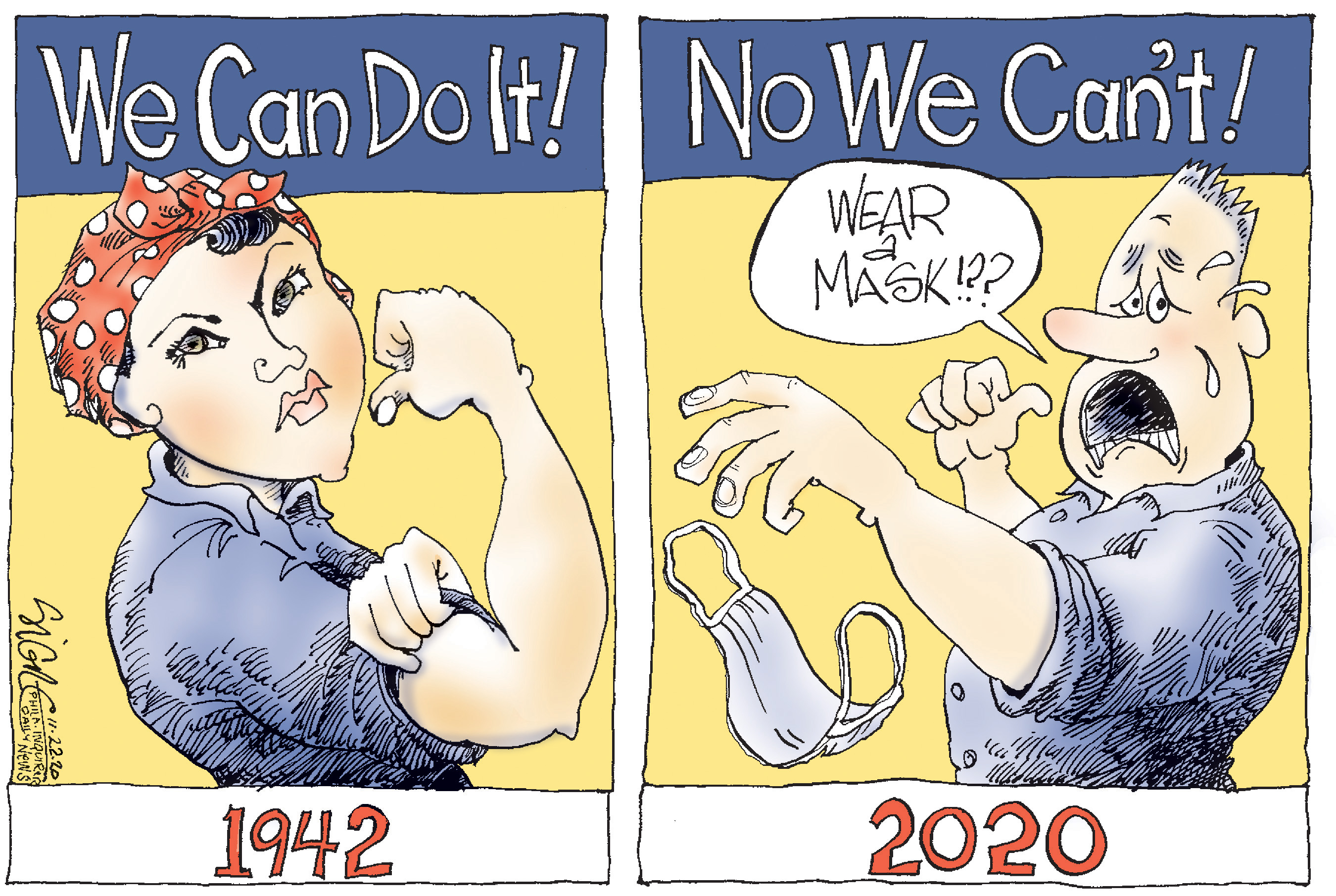
You’re scrolling. You see a pair of sneakers. Suddenly, you aren't just looking at rubber and mesh; you’re looking at a version of yourself that actually goes to the gym at 5:00 AM. That’s not an accident. It’s a calculated move. When we talk about ads for rhetorical analysis, we aren't just looking at pretty pictures or clever taglines. We’re dissecting the anatomy of persuasion.
Most people think "rhetoric" is just a fancy word for politicians lying, but in the world of advertising, it's the invisible glue holding every campaign together.
Brands aren't just selling stuff. They’re selling "better." Better versions of you, better ways to spend your time, better status. To understand how they do it, you have to break down the classic Aristotelian triad—Ethos, Pathos, and Logos—and then see how modern psychological triggers have turned those ancient tools into high-tech precision instruments. It’s honestly kind of terrifying when you see how it works under the hood.
Why Ads for Rhetorical Analysis Are More Than Just Homework
Teachers love assigning this topic because ads are condensed arguments. In a 30-second Super Bowl spot or a tiny Instagram tile, a brand has to make a claim, back it up, and get you to do something. It’s the purest form of communication.
Take the classic "1984" Macintosh commercial. It barely showed the computer. Instead, it used heavy-handed Pathos—fear of conformity—to position Apple as the rebel hero. If you’re doing a rhetorical analysis of that ad, you aren't talking about RAM or disk drives. You’re talking about the Greek concept of Kairos, which means "the opportune moment." Apple released that ad when people were genuinely worried about the "Big Brother" nature of IBM and the burgeoning tech industry. They nailed the timing.
The Ethos Play: Why Do We Trust a Logo?
Ethos is about credibility. Why should I listen to you?
In the 1950s, this was simple. You’d put a guy in a white lab coat on screen, call him a doctor, and have him tell people that Camels were the "physician’s choice" for cigarettes. We’ve gotten smarter, but the strategy just evolved. Today, Ethos looks like Patagonia’s "Don’t Buy This Jacket" campaign. By telling you not to spend money, they built massive credibility as an environmentally conscious brand. They sacrificed a short-term sale for a long-term reputation. That’s a masterclass in Ethos.
Then you’ve got influencer marketing. When a YouTuber you’ve watched for five years tells you they use a specific VPN, that’s "borrowed ethos." The brand doesn't have your trust, but the creator does. They’re renting that person’s reputation to bypass your natural skepticism.
Breaking Down the Visual Language
When you’re looking at ads for rhetorical analysis, you can't ignore the "non-verbal" rhetoric.
Color theory is a huge part of this. There’s a reason why so many fast-food brands—McDonald’s, Wendy’s, Burger King—use red and yellow. Research suggests these colors can actually stimulate appetite and create a sense of urgency. On the flip side, tech companies like Intel, Dell, and HP lean heavily into blue because it’s associated with stability, logic, and calm.
Angle matters too.
- Low-angle shots: These make the product look powerful and heroic. Think of a truck parked on a cliffside, viewed from the ground. It looks like a god.
- High-angle shots: These make the product (or the person using it) look approachable, small, or manageable.
- White space: If you see an ad with a tiny watch in the middle of a massive, empty white page, that’s "prestige rhetoric." It says, "We are so important we don't need to fill this space with sales pitches."
The Pathos Pivot: Feelings Over Facts
Pathos is the heavy hitter. It’s the Sarah McLachlan song playing over photos of sad dogs. It’s the "Priceless" campaign from Mastercard that focuses on a father and son at a baseball game rather than interest rates.
Actually, let’s look at a specific example: the Dove "Real Beauty" sketches.
The ad didn't mention soap. Not once. Instead, it focused on the psychological gap between how women perceive themselves and how others see them. It triggered a massive emotional response—relief, validation, and a sense of being "understood" by a corporation. The rhetorical goal was to attach the feeling of "self-acceptance" to the Dove brand. Once that link is forged in a consumer's brain, they don't buy the soap because it cleans better; they buy it because of how it makes them feel about the person in the mirror.
Logos is Usually the Sidekick
Logic (Logos) is often the weakest part of an ad, even though we like to think we’re rational. Most ads use "pseudo-logos." They’ll give you a statistic like "9 out of 10 dentists recommend," but they won't tell you how many dentists were asked or what the tenth one actually said.
In a rhetorical analysis, you have to look for the "enthymeme." This is a logical argument where one premise is left unstated. For example: "With a Rolex, you'll always be on time."
- Premise 1: Rolex watches are precise.
- Unstated Premise: Being on time makes you a person of high status and reliability.
- Conclusion: Buying a Rolex makes you a person of status.
The ad wants you to fill in the blank. When the audience completes the logic themselves, the argument becomes much more persuasive because it feels like their own idea.
Modern Rhetoric in the Digital Age
Social media has flipped the script. We aren't just looking at static ads anymore; we’re looking at "native advertising." This is where the ad is designed to look exactly like the content surrounding it.
If you see a TikTok of someone "accidentally" showing their favorite skincare bottle while talking about their day, that’s a rhetorical move aimed at lowering your "persuasion block." We have built-in filters for commercials. We don't have them for "friends." This blurred line is the new frontier of ads for rhetorical analysis. You have to ask: who is the speaker? Is it the creator or the brand?
And then there's retargeting. If you look at a pair of boots and then those boots follow you to every corner of the internet, that’s a rhetorical argument based on "persistence." The ad is subtly arguing that because you looked at it once, it is now an essential part of your identity. It’s trying to wear down your willpower through sheer repetition.
Common Pitfalls When Analyzing Ads
People often make the mistake of thinking an ad only has one rhetorical "mode." That’s almost never true. A good ad is a soup of all three.
Another trap? Ignoring the "target audience." An ad for a $200,000 Ferrari isn't trying to convince everyone to buy a car. It’s designed to be aspirational for the 99% and exclusive for the 1%. If you analyze that ad as if it's trying to sell to a college student, your analysis will be wrong. You have to identify the "idealized reader"—the person the ad wants you to be.
How to Conduct Your Own Analysis
If you’re sitting down to tear an ad apart, don't just list the Greek terms. That’s boring. Dive into the "why."
Start with the Exigence. That’s a fancy term for "the problem that needs to be solved." Is the brand suffering from a bad reputation? Is there a new competitor? Why does this ad exist right now?
Look at the Diction. Words like "natural," "artisan," or "authentic" are loaded with rhetorical weight. They don't have legal definitions in most advertising contexts, but they carry huge emotional baggage. "Artisan" just sounds better than "made in a factory," even if the factory is still involved.
Finally, look at the Call to Action (CTA). Is it a soft nudge ("Learn More") or a hard push ("Buy Now or Lose Out")? The CTA tells you everything you need to know about the brand’s relationship with the consumer.
Practical Steps for Deconstructing an Ad
- Identify the Speaker: Don’t just say "The Company." Is the persona of the ad a helpful neighbor, a stern expert, or a cool friend?
- Pinpoint the Hook: What is the very first thing that grabs your attention? Is it a loud noise, a shocking image, or a question?
- Trace the Logic: What is the ad asking you to believe? Not just "buy this," but what's the underlying philosophy? (e.g., "Buying this truck makes you a rugged individualist.")
- Evaluate the Medium: How would this ad change if it were a billboard versus a podcast ad? The medium is part of the message.
- Look for Fallacies: Does the ad use a "Bandwagon" appeal (everyone else is doing it) or a "False Dilemma" (buy this or your life will be a mess)?
To really master this, you have to stop being a passive consumer. Every time you see a sponsored post, ask yourself: What does this ad want me to feel about myself? Once you see the strings, it’s a lot harder for the brands to pull them. You start to see the "argument" instead of just the "product." That’s the real power of rhetorical analysis—it turns you from a target into an observer.
Start by picking one ad you saw today. Don't overthink it. Just look at the colors, the words, and that weirdly specific feeling it gave you in your chest. Break it down. Find the hidden argument. You’ll never look at a cereal box the same way again.