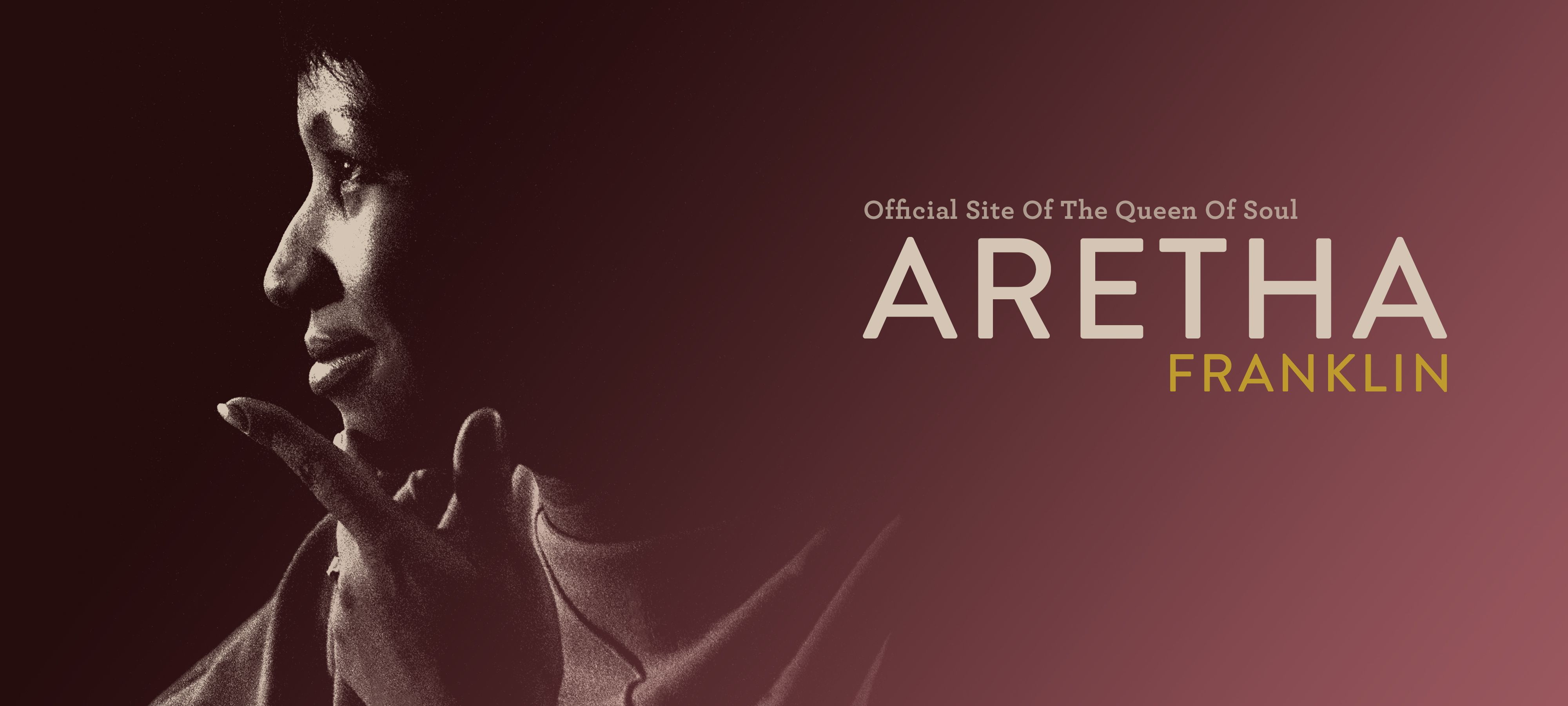
Honestly, if you haven’t seen the clip of Aretha Franklin at the 2015 Kennedy Center Honors, you’re missing out on maybe the most "boss" move in the history of televised music. It wasn't just a song. It was a cultural earthquake.
Picture this: Washington D.C., December 2015. The air is crisp, the Opera House is packed with the most powerful people in the country, and Carole King is sitting up in the balcony, looking like she’s having the best night of her life. She was one of the night's honorees, along with George Lucas and Cicely Tyson.
Then, the stage lights shift.
The Queen of Soul walks out. She’s draped in a floor-length mink coat, carrying a glimmering clutch purse like she just stepped out of a Cadillac. She doesn’t say a word. She just sits down at the piano, places that purse right on top of the instrument, and starts playing those iconic opening chords of "(You Make Me Feel Like) A Natural Woman."
Why the Aretha Franklin Kennedy Center Honors Moment Went Viral
Most people think they know Aretha, but seeing her at 73 years old, still possessing that raw, tectonic power, was something else entirely. Within seconds of the first verse, the camera panned to President Barack Obama. He wasn't just smiling; he was literally wiping a tear from his eye.
It's rare to see a sitting president lose it like that in public. But that’s what Aretha did. She didn't just sing the song; she reclaimed it. While Carole King co-wrote the track back in the late 60s with Gerry Goffin, this performance felt like a final, definitive statement on who owned that melody.
The Mystery of the Purse and the Coat
There's a lot of chatter about why she brought her handbag onto the stage. Some people thought it was a diva move. Turns out, it was much more practical—and relatable. Aretha later told Vogue that she didn't trust the security (or lack thereof) in the dressing rooms. She basically said, "Wherever I go, my purse goes."
She wasn't about to leave her cash and cards in a room that didn't lock, even at the Kennedy Center.
Then there was the coat. About halfway through the performance, the energy in the room reached a breaking point. Aretha stood up from the piano, walked to center stage, and just let the fur coat slide off her shoulders and hit the floor.
The crowd went absolutely feral.
She later admitted she wore the fur because she was worried about the "air factor"—she didn't want a draft to mess with her throat. Once she realized the temperature was fine and her voice was holding up, she decided to "get out of that coat" and really let loose.
The Technical Brilliance Nobody Talks About
We focus on the tears and the fashion, but the music was technically insane. Aretha’s voice was actually "down a bit" that night, according to her own assessment. She was battling the dry air of the theater, which is a nightmare for singers.
If you listen closely, you can hear her navigating those registers with the skill of a master pilot. She wasn't just shouting; she was phrasing. She used gospel-inspired runs that most singers half her age couldn't pull off without sounding breathless.
The band was tight, but they were clearly just trying to keep up with her. She was the conductor, the soloist, and the spiritual leader of the room all at once.
Carole King’s Reaction
If you want a masterclass in pure, unadulterated joy, just watch Carole King during this set. She was leaping out of her seat, mouthing the words, and clutching her chest.
King had written the song, but Aretha had made it a monument. Seeing the two of them connect across the space of that theater—the songwriter and the voice—was a reminder of how music bridges the gap between the internal thought and the external explosion of soul.
What This Performance Meant for History
This wasn't just a highlight reel moment. It was one of Aretha’s last great televised appearances before she passed away in 2018. It solidified the Aretha Franklin Kennedy Center Honors legacy as the gold standard for tribute performances.
People often ask why this specific clip has tens of millions of views while others fade away. It’s because it feels authentic. There were no backing tracks, no auto-tune, and no choreographed backup dancers. It was just a woman, a piano, and a lifetime of experience being poured into a microphone.
Lessons from the Queen
If you’re looking for the "takeaway" from that night, it’s pretty simple:
- Own your space: If you need to bring your purse on stage to feel secure, bring the purse.
- Adapt to the environment: She felt the air was okay, so she shed the coat. She didn't stick to a rigid plan; she followed the vibe.
- Vulnerability is power: Making a president cry isn't about being loud; it's about being real.
To truly appreciate the magnitude of this event, you really have to go back and watch the transition from the piano to the center-stage mic. It's the moment she stops being a "performer" and starts being a force of nature.
Next time you’re feeling a bit unsure of yourself, just remember Aretha dropping that mink. It’s the ultimate "I’m here" gesture.
To dive deeper into the history of the event, you can check out the official Kennedy Center archives or look for the full 2015 broadcast to see the other incredible tributes to Carole King that night, including performances by James Taylor and Janelle Monáe.
Actionable Insight: If you're a performer or public speaker, watch the first 30 seconds of Aretha’s entrance. Notice her pace. She doesn't rush. She takes her time to set her purse down and get comfortable. That "ownership of time" is what separates amateurs from icons. Study her posture and how she uses the silence before the first note to command the room's attention.