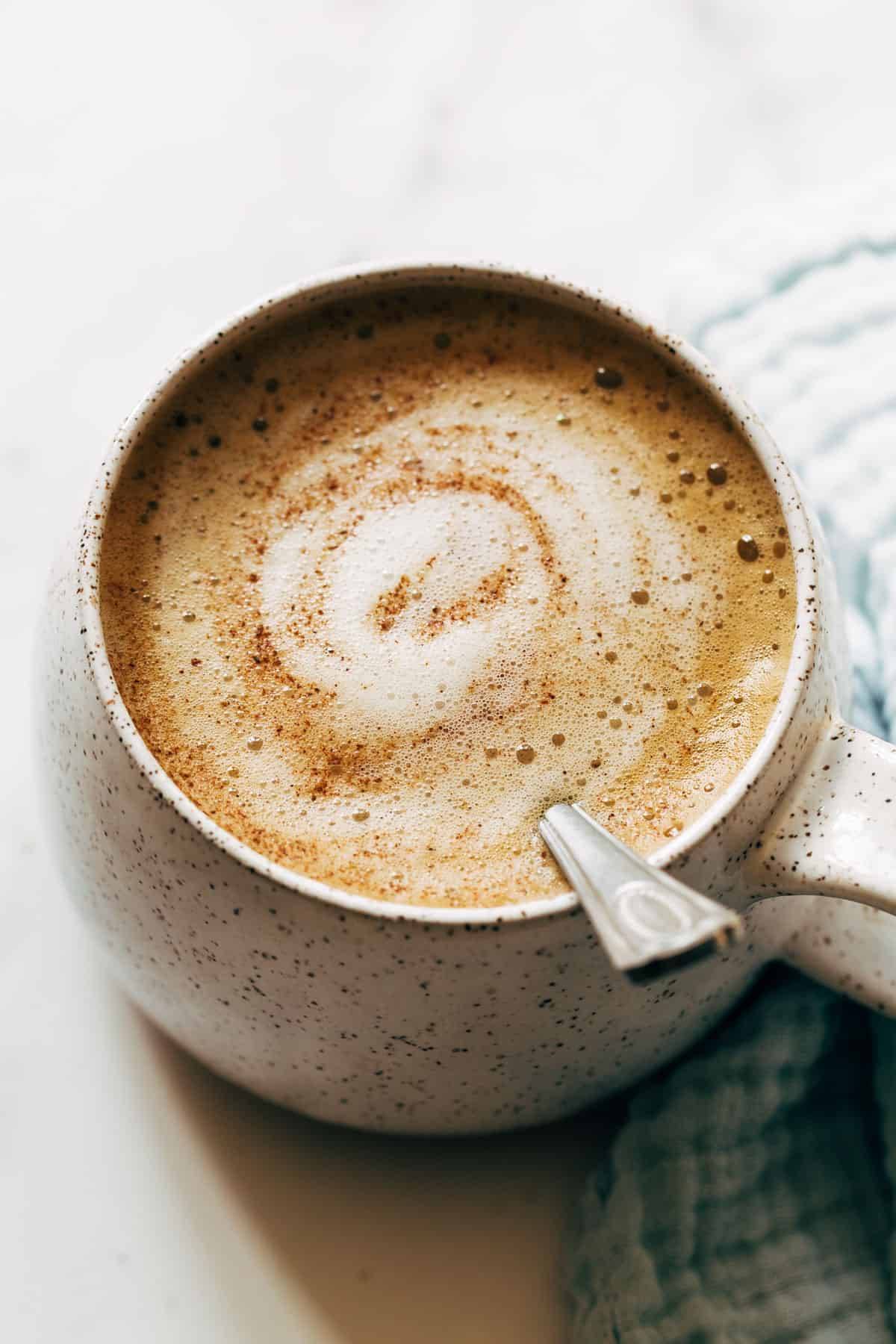
You're standing at the counter. The smell of roasted beans is thick enough to chew on, but it's 4:00 PM and you know—absolutely know—that if you touch a drop of caffeine, you’ll be staring at your ceiling fan until 3:00 AM. So you wonder, can you get a decaf latte, or is that some kind of coffee sin?
Yes. Honestly, it’s one of the most common orders in any specialty shop.
But there’s a catch. Or a few catches. Ordering a "decaf latte" isn't just about swapping the beans; it’s about understanding what’s actually happening in that portafilter and how much "buzz" is still lurking in the foam. Most people assume decaf means zero caffeine. It doesn't.
The Reality of Ordering a Decaf Latte
If you walk into a Starbucks, a Peet’s, or that high-end third-wave shop down the street with the $12 avocado toast, you can absolutely get a decaf latte. Baristas do it all day. They simply swap the standard espresso beans for decaffeinated ones.
The process is fundamentally the same. They grind the decaf beans, tamp them into a puck, and pull a shot of espresso. Then comes the steamed milk. It looks the same, feels the same, and if the shop is using high-quality Swiss Water Process beans, it might even taste pretty close to the real thing.
However, you need to realize that "decaf" is a bit of a lie. Under USDA regulations, coffee only needs to be 97% caffeine-free to carry the label. In the European Union, the standard is even stricter—usually 99.9% caffeine-free—but in the States, there’s a wiggle room that matters if you're hyper-sensitive. A standard shot of espresso has about 63mg of caffeine. A decaf shot usually contains about 2mg to 5mg. If you’re getting a "venti" or a large latte with three shots of decaf espresso, you’re suddenly drinking 15mg of caffeine. That’s not much, but it’s definitely not nothing.
How Decaf Espresso is Actually Made (And Why It Matters)
There are basically four ways to strip caffeine from a coffee bean before it ever reaches your latte. This matters because some methods leave a weird, chemical aftertaste that ruins the whole "treat yourself" vibe.
First, there’s the Direct Solvent Process. This involves steaming the beans and then rinsing them with a solvent like ethyl acetate or methylene chloride. It sounds terrifying. Ethyl acetate is actually found naturally in fruit, which is why some shops call it the "Natural Decaffeination" process. It’s effective, but some coffee purists think it thins out the flavor profile.
Then you have the Swiss Water Process. This is the gold standard for anyone asking can you get a decaf latte that actually tastes like coffee. It uses only water, temperature, and time. No chemicals. It’s a 10-hour process that relies on "Green Coffee Extract" to migrate caffeine out of the beans while keeping the flavor oils intact. If you see a bag of beans with the Swiss Water seal, buy it.
The Rise of Sugarcane Decaf
Lately, specialty roasters like Onyx Coffee Lab or Stumptown have been leaning into the Sugarcane Process (Ethyl Acetate). It’s huge in Colombia. They use fermented molasses to create the solvent. It’s awesome because it often adds a sweet, caramel-like note to the espresso. If your decaf latte tastes surprisingly sweet, this is probably why.
CO2 Method
This one is high-tech. Carbon dioxide is used under massive pressure to act like both a gas and a liquid. It’s super expensive to set up, so you usually only see this used for large-scale commercial brands. It’s very efficient at leaving the flavor alone while snatching the caffeine molecules.
Why Some Baristas Hate (or Love) Making Decaf
Let’s be real for a second.
In some busy shops, the decaf grinder is the "forgotten" child. It sits in the corner, and the settings might not have been adjusted for days. Because decaf beans are more porous and brittle—having gone through the decaffeination process—they extract differently than regular beans.
If a barista doesn't "dial in" the decaf espresso, your latte might taste sour or watery.
Good shops, though? They treat decaf with the same respect as their house blend. They know that the person ordering a decaf latte is doing it purely for the flavor, not the drug. That’s a true coffee lover.
The Health Side: Is Decaf Better for You?
Research from the Journal of the American College of Cardiology suggests that coffee—even decaf—is linked to a lower risk of cardiovascular disease. The antioxidants are still there. You’re still getting the polyphenols.
But for people with acid reflux or GERD, a decaf latte is a godsend. Caffeine relaxes the lower esophageal sphincter, which is a fancy way of saying it lets stomach acid crawl up your throat. By cutting the caffeine, you’re less likely to feel that burn.
Also, anxiety. If you struggle with a racing heart or jittery hands, switching to decaf is the easiest lifestyle tweak you can make without giving up your morning ritual.
Common Misconceptions About the Decaf Latte
People think decaf is "fake" coffee. It’s not. It’s real coffee that’s been through a spa day.
Another myth is that decaf espresso is darker. Actually, decaf beans often look darker and more oily even when they aren't roasted as long. This is because the decaffeination process breaks down the cell structure of the bean, causing the oils to migrate to the surface faster. Don't be fooled by the look; it’s not necessarily a "dark roast."
And then there's the "decaf has no chemicals" argument. Unless it’s Swiss Water or CO2, there were chemicals involved. But—and this is important—the solvents are volatile. They evaporate almost entirely during the roasting process at temperatures over 400 degrees Fahrenheit. The trace amounts left are basically negligible according to the FDA.
Variations You Should Try
If you're already going decaf, why not mess with the milk?
- The Decaf Oat Milk Latte: Oat milk is naturally creamy and has a malty sweetness that pairs incredibly well with the slightly "processed" taste of some decaf beans.
- The Half-Caf: Not ready to go full decaf? Ask for a "split shot." One shot regular, one shot decaf. It’s the perfect middle ground for a midday pick-me-up that won’t ruin your night.
- Decaf Iced Latte: In the summer, an iced decaf latte is basically just a coffee-flavored milkshake if you do it right.
What to Look For in a Coffee Shop
When you walk in, look at the grinders. Do they have a dedicated hopper for decaf? Is it a high-end burr grinder or some dusty blade grinder hidden behind the syrups?
Ask the barista: "What decaf process do these beans use?"
If they know it's Swiss Water or Sugarcane E.A., you're in a good spot. If they look at you like you have three heads, you’re probably getting a generic, chemically-stripped bean that’s been sitting in that hopper for a month.
Actionable Tips for the Perfect Decaf Experience
- Check the Roast Date: If you're buying beans for home, decaf goes stale faster than regular coffee because the bean structure is already compromised. Use it within two weeks of roasting.
- Order "Extra Hot" Carefully: Some people think decaf tastes "thinner." Steaming the milk slightly hotter can sometimes mask that, but be careful not to scald the milk, which ruins the natural sugars.
- The "Shot" Rule: If you’re at a place like Starbucks, a "tall" latte has one shot. A "grande" has two. If you're sensitive to caffeine, remember that two decaf shots have more caffeine than a single "regular" Coke.
- Try a Decaf Americano with a Splash of Cream: If the latte feels too heavy, this gives you the espresso flavor profile with a cleaner finish.
You don't have to sacrifice your ritual just because you don't want the jitters. The answer to can you get a decaf latte is a resounding yes—and if you find the right roaster, you might not even miss the caffeine.
Next time you're at the counter, don't feel awkward asking for it. Just make sure you're getting the good stuff. Look for those Swiss Water or Sugarcane labels. Your nervous system (and your sleep schedule) will thank you.
Understanding Caffeine Thresholds
To really nail your order, it helps to understand the numbers. Here is a rough breakdown of what you're actually consuming when you opt for decaf over regular.
A standard 12oz regular latte contains roughly 75mg to 150mg of caffeine depending on the shop. A 12oz decaf latte generally sits between 3mg and 12mg. For comparison, a single square of dark chocolate has about 12mg of caffeine. If you can eat a piece of chocolate without vibrating out of your chair, you can handle a decaf latte.
The Barista's Secret
Most baristas will tell you that the hardest part of a decaf latte isn't the beans—it's the milk. Because decaf coffee can sometimes be less acidic, it doesn't "cut through" the milk as aggressively as a heavy Indonesian or African regular bean. This is why many decaf drinkers prefer a "Flat White" style (less foam, more concentrated milk) to keep the coffee flavor from getting totally lost in the clouds.
The next time you're out, try asking for a decaf latte with "short milk" or in a smaller cup. It keeps the ratio tight. You get the flavor of the roast without drowning it in a sea of dairy. It turns a standard drink into something that feels much more intentional and artisanal.
Stop settling for "just decaf." Start ordering it like you mean it.