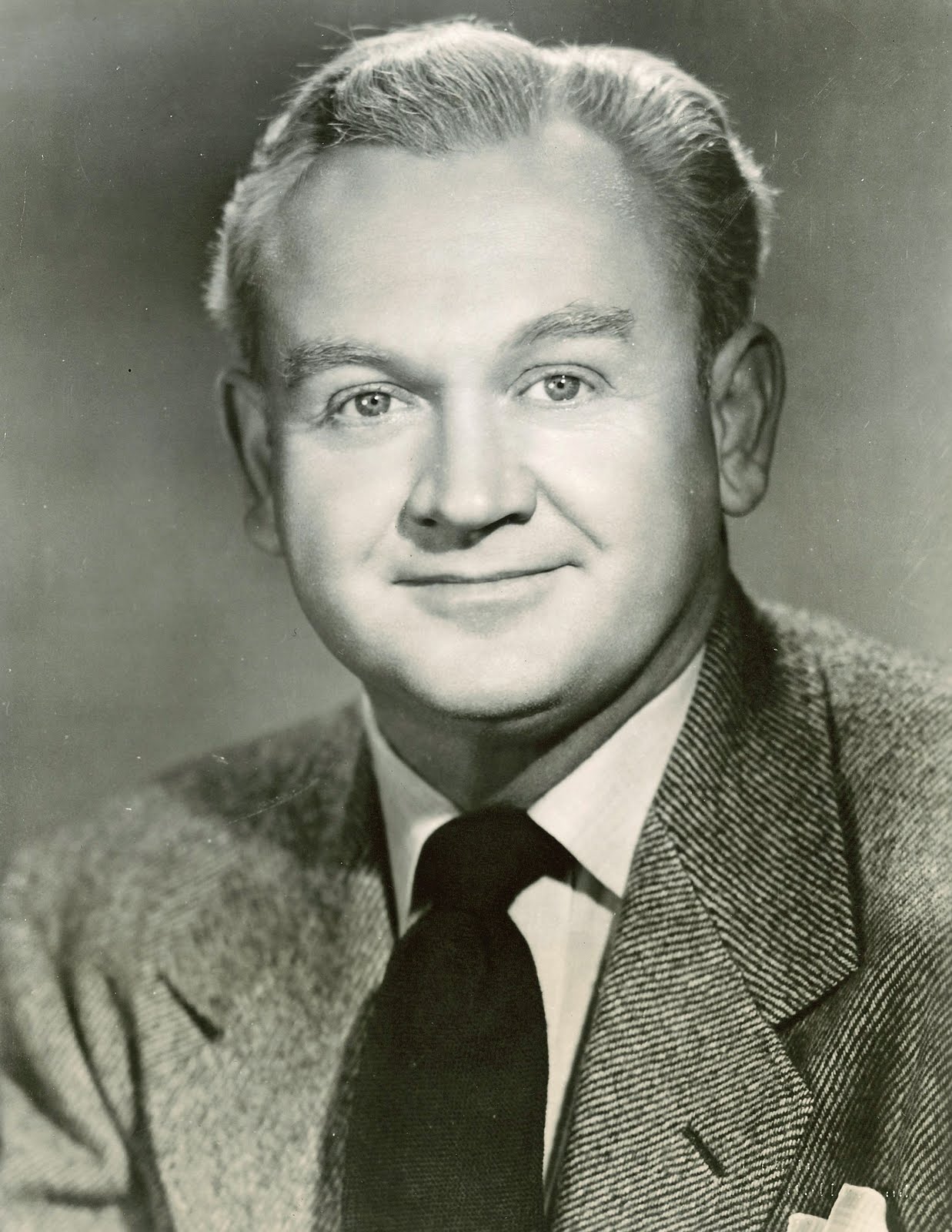
If you’ve ever flipped through late-night reruns or fallen down a YouTube rabbit hole of classic game shows, you’ve seen him. Lower left corner. Squashed hat. Tiny round glasses. A shirt that looks like it hasn't seen an iron since the Truman administration.
That’s Cliff Arquette. Well, technically, it’s Charley Weaver.
Honestly, it’s hard to find where the actor ended and the character began. Most people today know the Arquette name because of Rosanna, Patricia, or David. But before the grandkids were winning Oscars and wrestling in deathmatches, Cliff was the undisputed king of the "zinger." He didn't just play the game; he owned a piece of the real estate.
The Man Behind the "Wild Old Man"
Cliff Arquette didn't just wake up one day as a senior citizen from Mount Idy. He was a veteran of the vaudeville circuit and a radio workhorse. Get this: at one point in Chicago, he was doing 13 different radio shows a day. He literally had to take motorboats across the Chicago River to get from one studio to the next on time.
That’s hustle.
By 1956, he’d had enough. He retired. He was done. Then, fate (and a bottle of Scotch) intervened. Jack Paar, the host of The Tonight Show, wondered aloud on air, "Whatever became of Cliff Arquette?"
Cliff was watching. He almost dropped his drink. He took the invitation, showed up as Charley Weaver, and the rest is basically TV history. He brought along these "Letters from Mamma" that detailed the ridiculous goings-on back in his fictional hometown of Mount Idy. People loved it. They loved the double entendres. They loved the "old man" wisdom that was actually just a delivery system for sharp-edged comedy.
Cliff Arquette and the Hollywood Squares Legacy
When Hollywood Squares launched in 1966, the producers knew they needed anchors. They needed people who could do more than just answer "True or False." They needed guys who could riff.
Arquette was a Day 1 original.
He was strategically placed in the lower left square. Why? Because it was a high-traffic spot for contestants, giving him maximum screen time. While Paul Lynde eventually became the center-square provocateur, Cliff was the reliable, dry-witted foundation of the show.
The History Buff in Baggy Pants
One thing most people forget: Charley Weaver was actually smart. On the show, Peter Marshall would often throw him the "tough" questions—usually about American History.
Cliff was a massive Civil War buff in real life. He even opened the Charley Weaver Museum of the Civil War in Gettysburg. So, when he gave a correct answer about a 19th-century general, he wasn't always reading from a script. He actually knew his stuff.
But the audience wasn't there for a history lesson. They were there for the "zingers."
- Peter Marshall: "Charley, do female frogs croak?"
- Charley Weaver: "If you hold their little heads under water long enough."
Or this classic:
- Peter Marshall: "Which of your five senses tends to diminish as you get older?"
- Charley Weaver: "My sense of decency."
The Mount Idy Connection
Even on Hollywood Squares, the specter of Mount Idy loomed large. While the "Letters from Mamma" didn't quite fit the fast-paced tic-tac-toe format, Cliff transitioned the humor to his life "out at The Home" (his fictional nursing home).
He populated his world with characters like Birdie Rodd and Elsie Krack. It was a proto-sitcom universe that existed entirely within his ad-libs. It gave him a depth that other guest stars lacked. He wasn't just a celebrity; he was a guy from a place we all felt like we’d visited.
A Legacy of Resilience
Things got tough in the early '70s. Cliff suffered a stroke in 1972 that left him partially paralyzed. Most people would have called it a career.
Not Cliff.
He returned to the show in a wheelchair. He looked gaunt, sure, but the brain was still firing at 100%. He kept his spot in that lower left square until he passed away in 1974. George Gobel eventually took over that seat, but for the "OG" fans, that corner of the board will always belong to the man from Mount Idy.
Why Charley Weaver Still Matters
In an era of highly polished, PR-managed celebrities, Cliff Arquette was a breath of weird, rumpled air. He proved that you could be "in character" and still be more authentic than the people playing themselves.
If you want to understand the DNA of modern comedy—the kind that relies on persona and quick-fire improvisation—you have to look at Cliff. He wasn't just a guy in a funny hat. He was a master of timing who influenced generations of performers, including his own talented family.
Actionable Insights for Fans and Historians:
- Watch the Unscripted Moments: Look for clips from the early 1960s where the stars are clearly reacting to each other for the first time. The chemistry between Cliff and Wally Cox is legendary.
- Explore the Books: If you can find a used copy of Charley Weaver's Letters from Mamma, grab it. It’s a masterclass in mid-century dialect humor.
- Check the Credits: Notice how often Cliff appeared on Dragnet or F Troop. He was a versatile character actor who just happened to find his greatest success in a pair of suspenders.
Cliff Arquette didn't just fill a square; he gave the show its soul. Next time you see a tic-tac-toe board, spare a thought for the old man in the corner with the letter from his Mamma.
Next Steps for You: To see Cliff Arquette's comedic timing in action, you can find several archived episodes of the original Hollywood Squares on streaming platforms like Pluto TV or YouTube's "Game Show Central." Focus on the episodes from 1968 to 1970 to see him at his peak alongside Paul Lynde and Wally Cox. If you're interested in his family legacy, I can also pull together a breakdown of how the Arquette acting dynasty evolved from Cliff’s vaudeville roots to the modern Hollywood era.