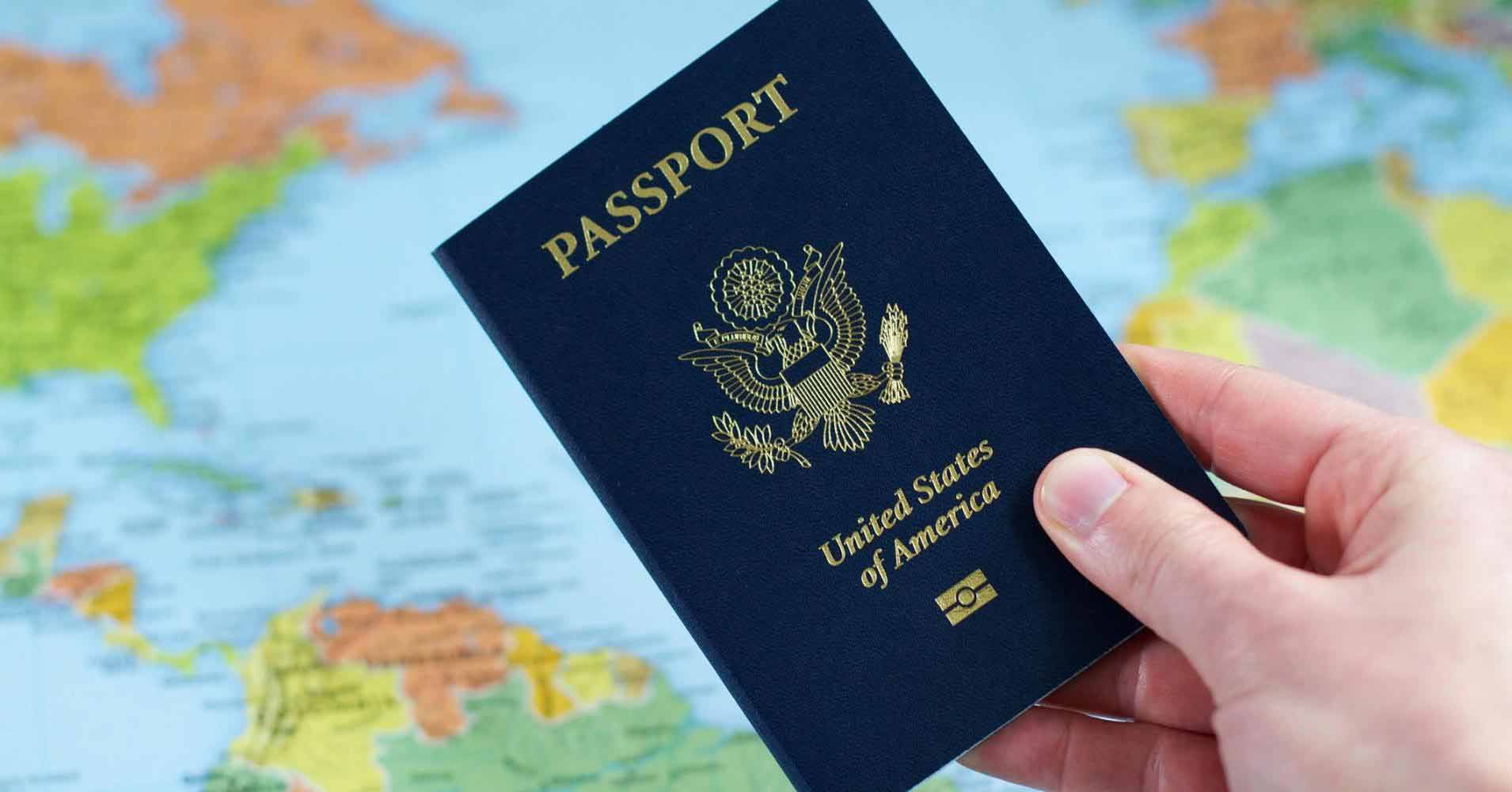
So, you’re looking at flights to Rome or maybe dreaming of a summer in the Algarve. Usually, as an American, you just grab your passport and go. No big deal. But things are shifting. If you’ve been hearing rumors that we suddenly need a "visa" to go to Italy or France, well, it’s not exactly a visa, but it’s definitely a new hoop to jump through.
Basically, the rules are tightening up. For decades, US citizens have enjoyed a pretty frictionless relationship with European borders. You show up, get a stamp, and you're in.
That’s changing.
By the end of 2026, the Europe visa requirements for US citizens will include a new digital gatekeeper called ETIAS. It stands for the European Travel Information and Authorization System. If you've ever gone to Australia and had to get that quick electronic travel authority, or if you have friends from overseas who use the US ESTA system, you already know the vibe.
The ETIAS Shake-up: It’s Not a Visa (But It Feels Like One)
Let's get one thing straight. You don't need to go to an embassy. You don't need an interview with a stern-faced consul.
Honestly, calling it a "visa" is technically incorrect, even if everyone on social media is saying it. It’s a travel authorization.
The European Union has been pushing this back for years. First it was 2021, then 2024, then 2025. Now? The official word is the last quarter of 2026. Until then, you can still roll up to the border with just your blue passport. But once that switch flips, if you don't have that digital "OK" in the system, the airline won't even let you board the plane.
It’s going to cost about €20 (roughly $22-25).
If you’re under 18 or over 70, you’re in luck—it's free for you. Once you get it, it’s good for three years or until your passport expires, whichever comes first. So, if your passport is on its last legs, renew that first. Otherwise, you’ll be paying for a new ETIAS the second your new passport arrives.
How the application actually works
You'll do it online. No paper.
- You’ll need your passport (obviously).
- An email address.
- A credit card to pay the fee.
- Some basic info about your job and your first destination.
Most people will get an email back in minutes saying they’re cleared. But—and this is a big "but"—some people might get flagged for manual review. If that happens, it could take up to 30 days. Don't be the person trying to apply for this while standing in the TSA line at JFK.
The "Secret" Entry/Exit System (EES) is Already Here
While everyone is obsessed with ETIAS, there’s another system that actually launched in October 2025 called the Entry/Exit System (EES).
This is the one that’s actually changing the physical experience of the airport. You might have noticed fewer people with rubber stamps. That’s because the EU is phasing out physical passport stamps entirely.
Instead, they’re taking your fingerprints and a facial scan.
The goal is to track exactly how long people stay. No more "maybe the border guard didn't see my entry stamp from three months ago." The computer knows. This system is already rolling out across 29 European countries, and by April 2026, it’s supposed to be fully operational everywhere.
Expect lines.
The travel association ABTA has already warned that these biometric checks are causing "varied experiences"—which is a polite way of saying some people are getting stuck in massive queues while the machines learn how to read faces.
The 90/180 Rule: The Math That Trips Everyone Up
Even with ETIAS and EES, the core Europe visa requirements for US citizens haven't changed regarding how long you can stay. You still get 90 days.
But it’s not 90 days per year. It’s 90 days in any 180-day period.
Think of it as a sliding window. Every day you are in Europe, you look back at the last 180 days. Have you been there for more than 90 of them? If the answer is yes, you are "overstaying."
Pro Tip: Use an online "Schengen Calculator." Don't try to do this math in your head if you're a slow traveler moving between countries. One wrong calculation can get you banned from the entire Schengen Area for years.
This rule applies to the Schengen Area. It’s important to remember that "Europe" and "The Schengen Area" aren't the same thing.
- Schengen Countries: France, Germany, Italy, Spain, Greece, etc. (They share one border).
- Non-Schengen: Ireland and the UK.
If you spend 90 days in Paris, you have to leave the Schengen Area. You could go to London or Dublin for 90 days, and that "resets" your clock because they aren't part of the system.
Common Misconceptions About European Travel
I see people get this wrong all the time on travel forums.
"I have a layover in Frankfurt, I don't need ETIAS." Wrong. If you are passing through immigration to change terminals or if your layover involves entering the Schengen Zone, you need the authorization.
"I'm a digital nomad, so the 90-day rule doesn't apply." Double wrong. Unless you have a specific Digital Nomad Visa (like the ones offered by Portugal or Spain), you are technically a tourist. Working on your laptop at a cafe in Berlin for four months without a visa is illegal. With the new EES tracking your biometrics, it’s much easier for them to catch people doing this now.
What You Should Do Right Now
If you're planning a trip for later this year or into 2027, don't panic. But do prepare.
- Check your passport expiration. Many European countries require your passport to be valid for at least three to six months after your planned departure date. If you're cutting it close, renew it now.
- Watch the ETIAS launch date. Since it’s slated for late 2026, keep an eye on the official EU "Travel Europe" website. Don't trust third-party sites that look like government portals—they’ll charge you $100 for a $22 service.
- Get used to the kiosks. When you land in Europe now, you'll likely be directed to a machine for your photo and fingerprints. Just follow the prompts. It's the new normal.
The days of just flashing a passport and walking through are fading. It’s a bit more bureaucratic, sure, but it’s still easier than what most of the world has to deal with. Just stay informed, keep your math straight on the 90-day rule, and you'll be fine.
The landscape for Europe visa requirements for US citizens is moving toward a fully digital, biometric future. While it might add twenty minutes to your airport experience, the actual "permission" to visit is still virtually guaranteed for the vast majority of Americans. Just don't forget to pay your €20 once the system goes live in late 2026.
For the most accurate, real-time updates, always check the official European Union ETIAS portal.