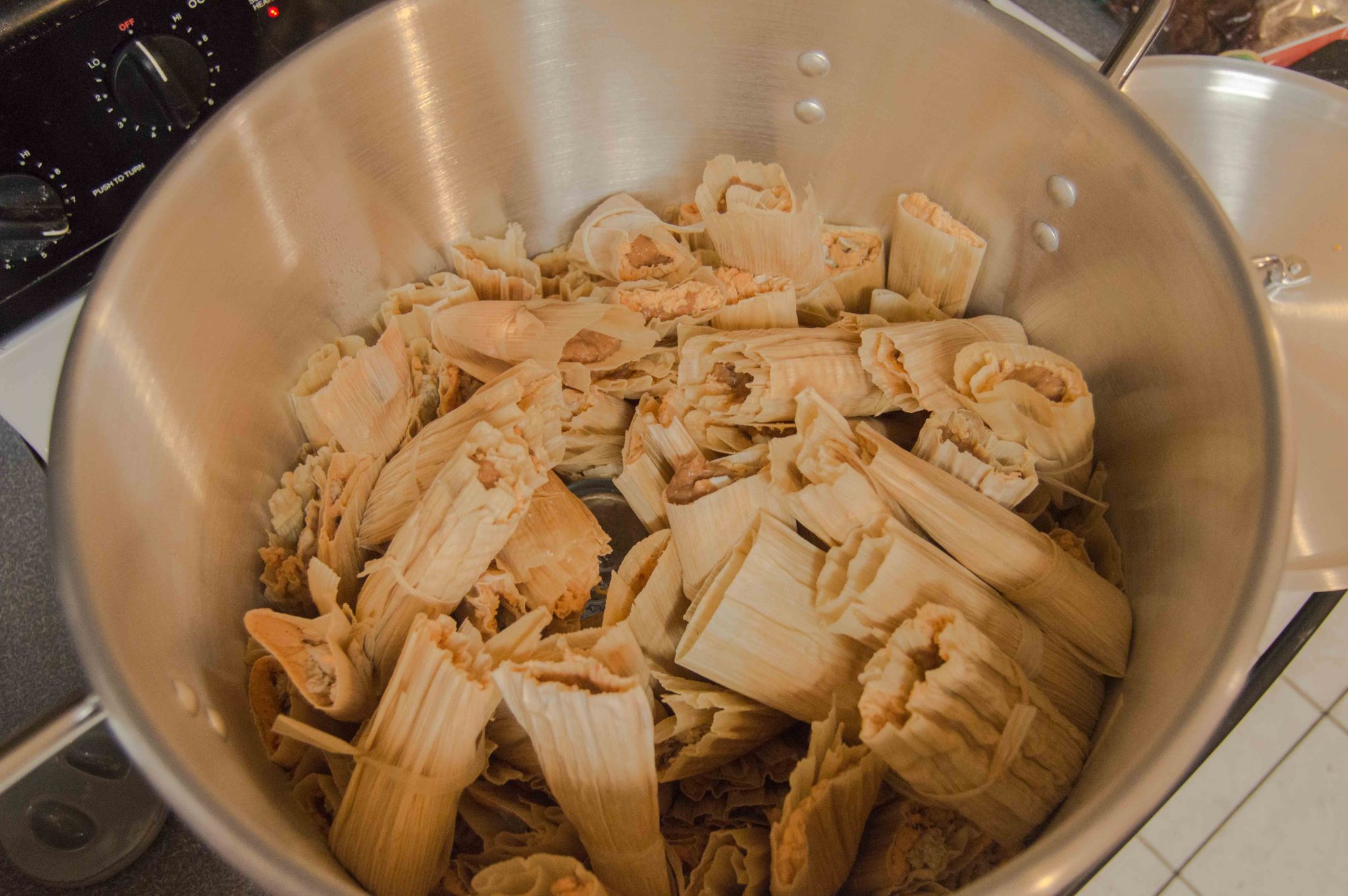
You've spent four hours massaging lard into masa. Your kitchen smells like toasted corn husks and dried chiles. The pork is tender, the salsa is spicy, and your back kinda hurts. Now comes the part that makes or breaks the whole weekend: the steam. If you use the wrong steaming pot for tamales, you end up with a soggy, mushy mess or, heaven forbid, scorched husks that taste like a campfire gone wrong. It’s the most basic piece of equipment, but people mess it up constantly by overthinking the "specialty" aspect of it.
Tamales don't need a high-tech laboratory. They need a vapor-tight seal and a way to keep the dough from touching the water. That's it.
Honestly, some of the best tamales I’ve ever had were cooked in a giant galvanized bucket over a propane burner in a backyard in San Antonio. But since you’re likely in a kitchen and not a parking lot, you need something that actually fits on your stove and doesn't rust after two uses. We call it a vaporera in Spanish. Whether you buy a dedicated pot or rig up something you already own, the physics remains the same.
What Actually Makes a Good Vaporera?
Most people go out and buy the cheapest aluminum pot they can find at the grocery store. You know the ones—they have that little removable rack with three shaky legs. They work. They're fine. But if you're doing this more than once a year, the thin aluminum is a nightmare for heat distribution.
A real steaming pot for tamales needs depth. You’re standing those tamales upright, usually leaning them against each other like a little corn-husk teepee. If the pot is too shallow, you can’t fit enough water in the bottom to last the 60 to 90 minutes required for the masa to set. Running out of water is the cardinal sin of tamal-making. Once that pot goes dry, the smell of burning corn will haunt your kitchen for a week.
Stainless steel is generally the "pro" move here. It's heavier, it holds heat better, and it won't react with any acidic ingredients if you happen to be steaming something else later. Look for a pot with a heavy base. Cheap pots have thin bottoms that hot-spot, which can actually boil the water off faster in one specific area.
The Rack Problem
The rack is the most important part. It has to sit high enough to keep the tamales out of the "splash zone." When water boils, it jumps. If your rack is only a half-inch off the bottom, the bottom of your tamales will turn into porridge.
Look for a rack that sits at least two inches high. Some people use a "crumpet ring" or even a few empty tuna cans (with both ends cut off) to boost their rack higher. It’s a classic abuela hack. You put the cans on the bottom, set the rack on top of the cans, and suddenly you have a massive water reservoir.
Size Matters (But Not the Way You Think)
If you're making 24 tamales, a 12-quart pot is plenty. If you're doing a full tamalada for the holidays and making six dozen, you’re looking at a 32-quart or even a 40-quart beast.
But here’s the thing.
A 40-quart pot often won't fit under your stove's vent hood. I've seen people buy these massive industrial steamers only to realize they literally can't get the lid on because the microwave is in the way. Measure your clearance. Seriously.
Also, consider the diameter. If the pot is too wide, it takes forever to get a rolling steam going. A tall, narrower pot is usually more efficient for the "chimney effect" that cooks the masa evenly from the outside in.
Materials: Aluminum vs. Stainless Steel
- Aluminum: It’s cheap. It heats up fast. It’s what most people use. However, it can pit over time, and it’s light enough that it might scoot around on a smooth-top glass stove.
- Stainless Steel: Expensive, heavy, and lasts forever. It's easier to clean. If you're worried about "pitting" or metallic tastes (though that's rare with steaming), go stainless.
- Graniteware: Those speckled black enamel pots? They’re great for heat, but they chip. Once they chip, they rust. Use them if you have them, but don't go out of your way to buy one for tamales.
The Secret "Pennies" Trick
This is old-school wisdom that actually works. Before you load your steaming pot for tamales, drop a couple of clean pennies or a small marble into the water at the bottom.
As long as the water is boiling, those pennies will rattle against the bottom of the pot. Clack-clack-clack. It’s a constant acoustic monitor. The second that rattling stops, you know your water level is dangerously low. It’s a low-tech alarm system that has saved more batches of tamales than any digital timer ever could.
How to Load the Pot Without Ruining the Texture
You don't just throw them in there.
First, create a "bed." Use your extra corn husks—the ones that were too small or torn to use for wrapping—and line the bottom of the steaming rack. This acts as a secondary buffer against splashing water and helps concentrate the steam.
Stand the tamales with the open end facing UP. Lean them slightly inward. Don't pack them so tight that steam can't circulate, but don't leave them so loose that they fall over and spill their guts. It's a balance.
Once they're all in, cover the top with another layer of husks. Some people use a clean, damp kitchen towel or even a plastic grocery bag (though I'm not a fan of heated plastic near my food). This "cap" forces the steam to move back down through the tamales rather than just escaping through the lid's vents.
Checking for Doneness
The pot doesn't tell you when they're done. The husk does. Around the 60-minute mark, pull one out with tongs. Let it sit on the counter for three minutes. This is vital. A hot tamale will always look raw. It needs a moment to "set."
If the husk peels away cleanly from the masa, they’re done. If the masa sticks to the husk like glue, put it back and give it another 15 minutes.
Common Mistakes with Tamale Steamers
One big mistake is using too much heat. You want a steady, gentle boil. If you blast the heat on high the whole time, you’ll evaporate your water in 20 minutes and the internal temperature won't actually rise any faster. Once you see steam escaping the lid, turn the heat down to medium-low.
Another mistake: Peeking too much. Every time you lift that lid, you lose the pressurized steam environment. It's like opening the oven when you're baking a cake. If you must check the water, use the penny trick or look for the steam wisps.
Beyond the Traditional Pot
If you don't want to buy a dedicated steaming pot for tamales, you have options.
- The Instant Pot: Great for small batches (about 10-12 tamales). Use the steam rack and set it for 20 minutes on high pressure with a natural release. It's fast, but the texture can sometimes be a bit more "dense" than traditional steaming.
- The Pasta Insert: If you have a large pasta pot with an insert that sits high, use it. Just make sure the holes aren't so big that the tamales slip through.
- The Chinese Bamboo Steamer: It works, but you have to stack multiple layers, and it’s hard to keep the tamales upright. It's better for bao than for Oaxaqueños.
Care and Maintenance of Your Pot
If you went with aluminum, don't put it in the dishwasher. It’ll come out looking like a dull, grey ghost. Hand wash it with warm soapy water. If you have mineral buildup from hard water on the bottom (that white crusty stuff), boil some water with a splash of vinegar or some lemon juice. It’ll snap right off.
For stainless steel, you can be a bit more aggressive. Bar Keepers Friend is the gold standard for getting off any scorched starch that might have leaked out of the husks.
Getting Started: Your Action Plan
Don't overcomplicate this. To get the best results on your next batch, follow these specific steps:
- Measure your stove clearance: Ensure a 20-32 quart pot can actually fit under your microwave or vent hood.
- Prioritize the rack height: If the rack that comes with the pot is low, find a way to elevate it using stainless steel rings or even a heat-safe ceramic bowl turned upside down.
- The "Double Seal" Method: Always use a layer of extra husks or a damp cloth over the top of the tamales before closing the lid to trap maximum moisture.
- The Acoustic Alarm: Put two pennies in the bottom. Do not skip this. It's the difference between a successful dinner and a ruined pot.
- The 3-Minute Rule: Never judge a tamale's doneness until it has rested on the counter for three full minutes.
Steaming is the final transformation of the masa. The right pot doesn't just cook the food; it manages the humidity and temperature so the fats and starches can bind into that perfect, cake-like texture that defines a world-class tamale. Choose a pot that feels heavy, sits high, and holds enough water to let you relax while the steam does the heavy lifting.