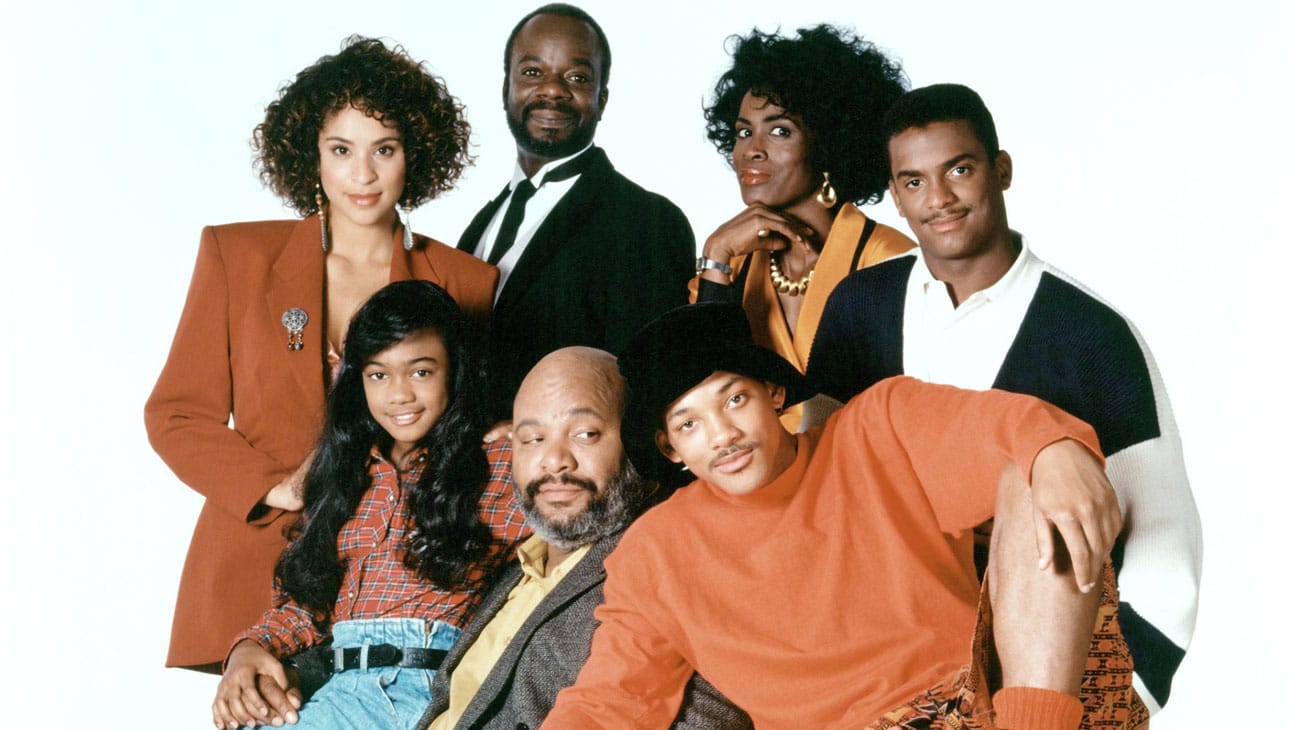
Honestly, if you grew up in the 90s, you didn't just watch The Fresh Prince of Bel-Air for Will Smith’s neon windbreakers or Carlton’s rhythmic swinging. You watched it for the guy standing in the corner with a silver tray and a look of absolute, soul-crushing disappointment.
Geoffrey Butler.
Played with legendary precision by Joseph Marcell, Geoffrey wasn't just "the help." He was the intellectual superior to everyone in that mansion, and he knew it. He basically lived for the moments he could remind the Banks family that despite their millions, they were mostly just loud, messy, and remarkably lazy.
The Mystery of Geoffrey Barbara Butler
Most people forget his middle name. It’s Barbara. Yeah, really.
It was one of those "blink and you'll miss it" bits of trivia that added a layer of bizarre depth to a character who could have easily been a flat stereotype. Born in London, Geoffrey wasn't just some guy who knew how to polish silver. He was a man of high-level accomplishments who ended up in Bel-Air because of a massive, career-ending scandal back home.
He didn't just leave England for the weather. He fled in shame.
The story goes that Geoffrey was a world-class athlete—an Olympic runner, no less. But he cheated in a race, got caught, and was reportedly slapped by Queen Elizabeth II. Imagine having that on your resume. That’s the kind of backstory that explains why a man with an Oxford education is spent his days making sandwiches for a teenager from Philly.
Why Joseph Marcell Changed Everything
Joseph Marcell is a classically trained Shakespearean actor. That matters.
He wasn't playing a "sitcom butler." He was playing a man trapped in a farce. Marcell has talked openly about how he approached the role with a level of dignity that wasn't always present for Black actors in the 90s. He brought a "Royal Shakespeare Company" energy to a show that featured a "Jump On It" dance routine.
That tension? That was the magic.
In a 2024 interview, Marcell revealed a secret that fans are still buzzing about. Every time he called Will "Master William," we thought it was just a sign of high-class respect. Nope. In British culture, "Master" is what you call a boy who hasn't become a man yet. It was a subtle, persistent "diss" that went over almost everyone's head for six seasons. He was essentially calling Will a child to his face, every single day, and getting paid for it.
The Saddest Storyline Nobody Remembers
We usually think of Geoffrey as the king of the one-liner. "Run Geoffrey! Fetch Geoffrey! Perhaps you'd like me to catch a frisbee in my teeth?"
But the show got real with him toward the end. In the later seasons, we meet his son, Frederick.
It’s a gut-punch. Frederick shows up in Bel-Air pretending he wants to reconnect, but it turns out he’s just there to scam his dad out of money. It was one of the few times we saw Geoffrey’s professional mask crack. He was so desperate for a family connection that he was willing to overlook the red flags.
In the series finale, while everyone else is moving on to big careers or new homes, Geoffrey’s ending is remarkably grounded. He quits. He decides to move back to London to be a father to the son who nearly robbed him. It’s a quiet, dignified exit for a character who spent years being the family’s emotional glue while pretending he didn't like them.
Geoffrey vs. the "Bel-Air" Reboot
If you’ve watched the gritty Peacock reboot, Bel-Air, you know the new Geoffrey is... different.
Jimmy Akingbola plays a version that’s more "fixer" than butler. He’s basically a high-stakes advisor with a background in street-level intelligence. He doesn't carry trays; he carries secrets.
Some fans hate the change. Others love the "James Bond" vibe. But it highlights just how iconic the original butler prince of bel air truly was. The original Geoffrey didn't need a gun or a mysterious past in the Jamaican underworld to be intimidating. He just needed a raised eyebrow and a well-timed "Indeed."
The Impact on Television History
Let’s be real: Geoffrey broke the mold.
Before him, the "Black butler" trope was often rooted in servitude and compliance. Geoffrey flipped the script. He was the smartest person in the room. He was cynical. He was arguably the most "British" person on American television at the time, challenging the idea that Black identity was a monolith.
He showed that you could be in service without being subservient.
Actionable Insights for Fans and Writers
If you’re looking back at this character for a project or just out of nostalgia, here’s how to actually use the "Geoffrey Model" in storytelling or character analysis:
- Subvert the Status: Give your "servant" characters the highest intellect in the room. It creates instant, sustainable comedy and drama.
- The Power of the "Slow Burn" Backstory: Don't reveal why a character is where they are in Episode 1. Geoffrey's Olympic shame and his son's betrayal were much more impactful because we'd spent years wondering about his past.
- The "Master William" Lesson: Use language that has double meanings based on cultural context. It adds layers that reward repeat viewers.
Geoffrey wasn't just a part of the house. He was the soul of the show, reminding us that class is more than just money—it's how you handle the chaos around you.
Next time you're rewatching, keep an eye on his hands. He’s almost always doing something—polishing, folding, pouring. It’s a masterclass in "acting while doing," a testament to Joseph Marcell's stage training.
Take a deep dive into your own favorite sitcom characters by looking for the "Geoffrey" of the group—the one who says the least but knows the most.