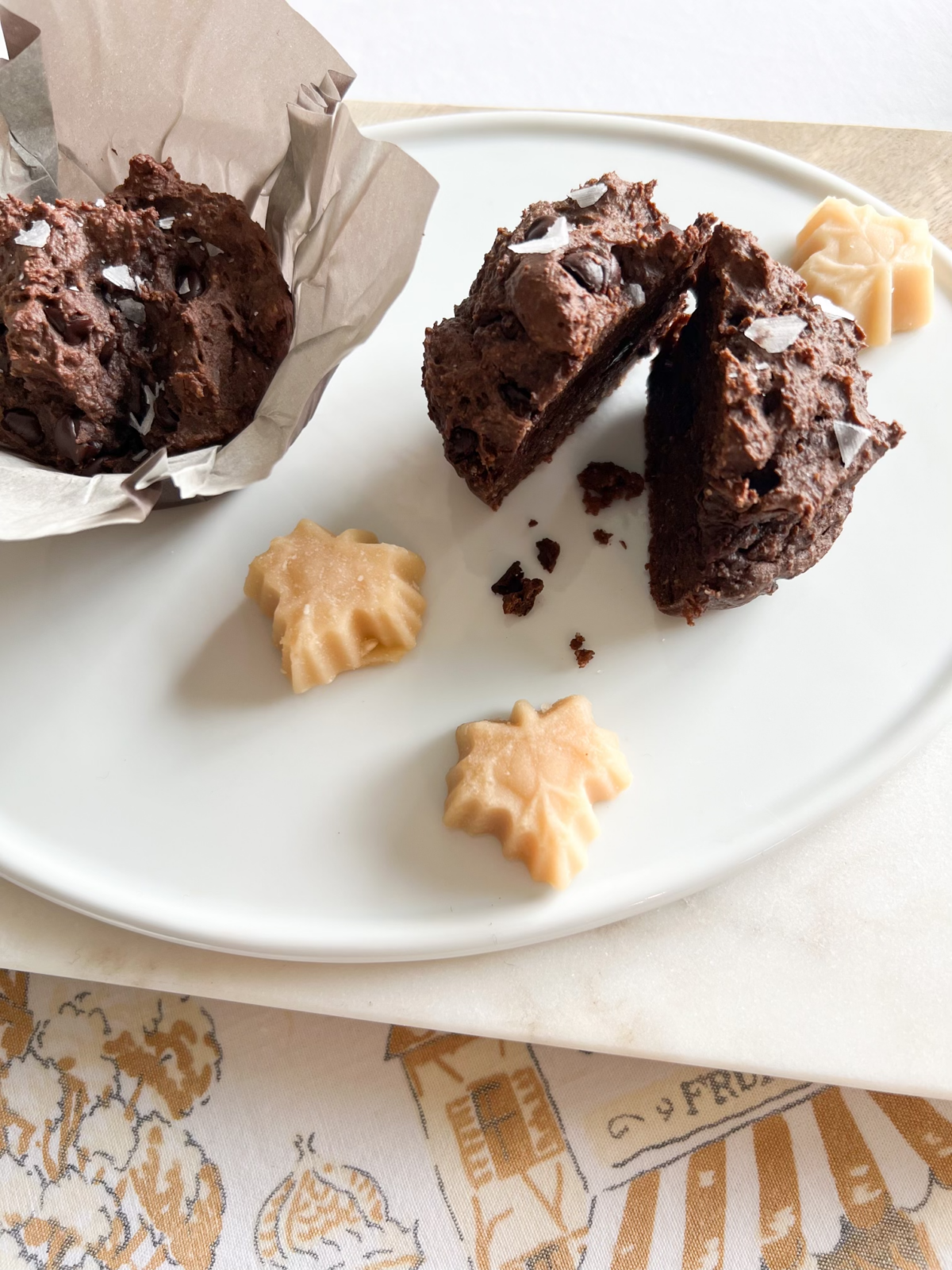
Let’s be honest. Most high protein chocolate muffins are a total letdown. You see the photo on Instagram, you get excited because the macros look incredible, and then you take a bite only to realize it has the texture of a dry kitchen sponge. It’s frustrating. You’re trying to hit your protein goals—maybe you’re aiming for that 1.6 to 2.2 grams per kilogram of body weight that researchers like Dr. Stuart Phillips from McMaster University often discuss—but you don't want to suffer through a dessert that feels like a chore.
The struggle is real.
When you swap out all-purpose flour for protein powder, the chemistry of the bake changes entirely. Protein powder, especially whey, is "hygroscopic." That's just a fancy way of saying it sucks every bit of moisture out of your batter. If you don't account for that, you end up with a hockey puck. I’ve spent years tinkering with ratios, ruining dozens of batches, and honestly, the secret isn't just "more protein." It's about moisture management and choosing the right structural supports so your muffin actually stays a muffin.
The Science of Why Your High Protein Chocolate Muffins Are Dry
If you’ve ever baked with whey protein isolate, you know the pain of the "rubber muffin." Whey is notorious for becoming chewy or rubbery when exposed to high heat. This happens because whey proteins denature and cross-link, creating a tight, dense structure. It’s great for building muscle, but it sucks for a fluffy crumb.
Casein is different.
Casein protein is thicker and absorbs more liquid, which actually helps create a more cake-like texture. If you’re serious about making high protein chocolate muffins that people actually want to eat, a blend of whey and casein is usually your best bet. Or, you can lean into plant-based proteins like pea or soy. These tend to hold onto moisture much better than pure whey, though they can sometimes introduce an earthy flavor that you’ll need to mask with high-quality cocoa powder.
Moisture is Your Best Friend
You cannot just rely on milk or water. To get that "human-quality" bakery texture, you need fats and humectants. Think Greek yogurt. It’s a staple for a reason. It adds a massive hit of protein while providing the acidity needed to react with baking soda, ensuring the muffins actually rise.
Some people swear by mashed bananas or applesauce. They work, sure. But if you want a deep, rich chocolate flavor without the "banana-y" aftertaste, pumpkin puree is the unsung hero. It has a neutral flavor profile once you douse it in cocoa and sweetener. Plus, it provides a massive amount of fiber, which helps with satiety.
Let's Talk Ingredients: What Actually Works
Don't use cheap cocoa. Seriously. If you’re using that dusty stuff from the bottom shelf, your high protein chocolate muffins will taste like cardboard regardless of how much stevia you dump in. Look for Dutch-processed cocoa powder. It’s treated with an alkalizing agent to reduce acidity, resulting in a darker color and a much smoother, mellower chocolate flavor. It’s the difference between a "meh" snack and something that feels like a genuine treat.
- The Protein Source: As mentioned, a whey-casein blend is king. Brand-wise, something like PEscience or Quest usually bakes well because they are formulated for texture.
- The Flour Base: You can't go 100% protein powder. You need some structure. Oat flour is great because it’s hearty and high in fiber. Almond flour adds healthy fats which stop the protein from drying out.
- The Sweetener: Erythritol or Monk fruit are fine, but they can have a cooling aftertaste. I usually suggest a mix of a natural sweetener and a bit of honey or maple syrup to help with the "sticky" factor that makes a muffin top so good.
- The "Secret" Weapon: Instant coffee. Just a teaspoon. It doesn't make the muffins taste like coffee; it just makes the chocolate taste... more like chocolate.
Does the Oven Temperature Matter?
Yes. Way more than you think. Most people preheat to 350°F (175°C) and call it a day. If you want those high, domed muffin tops—the kind you see in professional bakeries—start your oven at 425°F (218°C). Bake them at this high heat for exactly five minutes, then drop the temperature back down to 350°F for the remainder of the time. This initial blast of heat causes the steam to expand rapidly, lifting the batter before the structure sets.
Common Mistakes People Make with High Protein Chocolate Muffins
Overmixing is the silent killer.
When you mix flour and liquid, you develop gluten. In a protein muffin, you’re already dealing with a lot of structural density. If you stir that batter until it’s perfectly smooth, you’re going to end up with a tough, gummy mess. Fold the wet and dry ingredients together until they are just combined. If there are a few tiny lumps of flour left? Leave them. They’ll disappear during the bake.
Another big one: overbaking.
Since there is less sugar and traditional fat in these recipes, the window between "perfectly moist" and "desert dry" is tiny. If the toothpick comes out completely clean, you've probably gone too far. You want a few moist crumbs clinging to that toothpick. Remember, carryover cooking is real. The muffins will continue to firm up as they cool in the tin.
The Macro Breakdown: Are They Actually Healthy?
"Healthy" is a relative term, but let's look at the numbers. A standard bakery chocolate muffin can easily hit 500 calories with 60 grams of sugar and maybe 5 grams of protein. That’s a recipe for a blood sugar spike and a mid-afternoon crash.
A well-crafted high protein chocolate muffin usually sits around 150-200 calories.
You’re looking at:
- 12 to 18 grams of protein.
- 5 to 8 grams of fiber.
- Less than 5 grams of added sugar.
This changes the game. It turns a "cheat meal" into a legitimate post-workout snack or a quick breakfast that actually keeps you full until lunch. You’re getting the leucine needed for muscle protein synthesis without the systemic inflammation that comes with a massive sugar load.
Variations to Keep Things Interesting
You don't have to stick to just chocolate. Use the chocolate base as a canvas.
The Peanut Butter Swirl: Drop a teaspoon of natural peanut butter on top of the batter before baking and swirl it with a toothpick. It adds healthy fats and, honestly, who doesn't love chocolate and PB?
The Berry Blast: Throw in some frozen raspberries. The tartness of the berries cuts through the richness of the chocolate perfectly. Plus, the extra moisture from the melting berries helps combat any dryness from the protein powder.
Double Chocolate: Use dark chocolate chips (at least 70% cocoa). The little pockets of melted chocolate provide a texture contrast that makes the whole experience feel much more indulgent.
Real-World Tips for Success
If you're using silicone muffin liners, you’re a genius. Nothing sticks to them. If you’re using paper liners and find that half your muffin stays stuck to the paper, spray the inside of the paper liners with a little bit of coconut oil spray. It sounds redundant, but it works.
Also, let them cool. I know it's hard. The smell of chocolate is wafting through the kitchen and you want to dive in. But protein-based baked goods need time to "set." If you eat them straight out of the oven, they might feel a bit mushy or undercooked. Give them 20 minutes on a wire rack. The texture will improve significantly.
Storage and Meal Prep
These muffins freeze surprisingly well. Since they are denser than normal muffins, they don't get as crumbly when thawed. Wrap them individually in plastic wrap and throw them in a freezer bag. When you're heading out the door in the morning, grab one. By the time you’re ready for a snack at 10:00 AM, it’ll be perfectly thawed. Or, hit it in the microwave for 20 seconds for that "freshly baked" gooeyness.
How to Get Started Right Now
If you want to try this, don't just wing it with your favorite pancake mix.
- Gather your "Moisture Trio": Greek yogurt, pumpkin puree (or applesauce), and an egg.
- Pick your protein wisely: Avoid 100% whey isolate if you can; look for a blend.
- Don't skip the salt: A pinch of sea salt enhances the cocoa and makes the sweetener taste more natural.
- Check your leavening: Ensure your baking soda isn't three years old. Protein batters are heavy and need all the help they can get to rise.
Stop settling for chalky snacks. By focusing on the interaction between protein types and moisture-rich binders, you can create high protein chocolate muffins that actually satisfy a craving. It’s about balance—balancing the macros with the actual joy of eating.
Get your oven preheating. Start with that high-heat blast at 425°F. Watch the domes rise. Once you nail the texture, you’ll never go back to those overpriced, processed protein bars again.