New York’s Seventh Avenue in the 1930s wasn’t a place for the faint of heart. It was a pressure cooker of steam, sewing machines, and desperate ambition. That’s the world I Can Get It for You Wholesale drops you into, and honestly, it’s a bit of a shock if you’re used to the sunnier side of Golden Age theater. Most musicals from 1962 were trying to be A Funny Thing Happened on the Way to the Forum. This one? It was busy being a cynical, jagged portrait of a man who would step on his own mother to get a better seat at a restaurant.
It’s famous for one thing. Barbra Streisand. She was nineteen. She played Miss Marmelstein, a secondary character, and she basically stole the entire show from the lead. But if you only look at it as a Streisand trivia point, you’re missing the actual meat of the story. It’s a show about a jerk named Harry Bogen. He’s not a misunderstood hero. He’s a "gonif"—a thief, a schemer. He starts a shipping company by lying, cheats his friends, and breaks his mother’s heart.
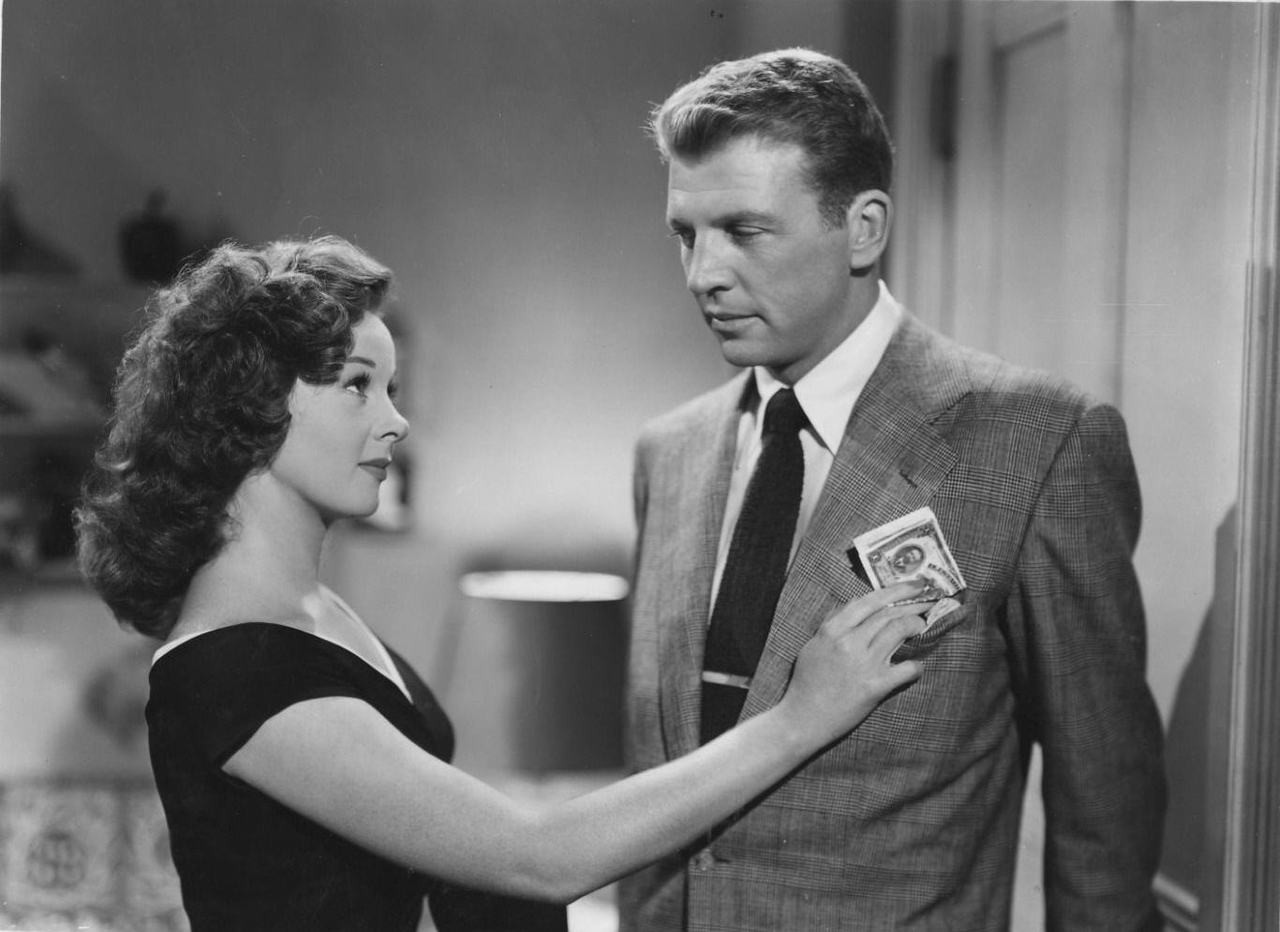
Most people don't expect a musical to be this mean. It’s gritty. It feels like a black-and-white noir film where everyone is sweating through their wool suits.
The Complicated Legacy of Harry Bogen
Jerome Weidman wrote the novel in 1937. It was a massive hit and a bit of a scandal because it depicted the Jewish garment district with such unvarnished, sometimes ugly, realism. When Weidman teamed up with composer Harold Rome to turn it into the I Can Get It for You Wholesale musical, they didn't really soften the blow.
The story follows Harry as he navigates the cutthroat "rag trade." He realizes that the people making the clothes aren't the ones making the money; it’s the middlemen. So, he decides to become the ultimate middleman. He bankrupts his partners. He ditches his loyal girlfriend, Ruthie, for a flashy actress named Martha Mills. He spends money he doesn’t have to impress people he doesn't like.
It’s a cautionary tale, but it’s told with a bounce. That’s the weird magic of Harold Rome’s score. You have songs like "The Way Things Are," which is basically Harry’s manifesto on why being a nice guy is for losers. It’s catchy. You find yourself humming along to a guy explaining how he’s going to ruin someone’s life. It’s a strange feeling.
That 1962 Original Production
Arthur Laurents directed the original Broadway production. He was a guy who knew how to handle "difficult" material—he’d already written the books for West Side Story and Gypsy. He cast Elliott Gould as Harry Bogen. Gould was perfect: charming enough that you understood why people followed him, but with a palpable undercurrent of sleaze.
Then there was the casting of Miss Marmelstein.
The character was supposed to be an older, frumpy secretary. Streisand showed up for the audition and, according to theater legend, did the whole thing sitting in a secretarial chair with wheels, gliding around the stage. She got the part. She was the only person in the show who got a standing ovation in the middle of the first act. "Miss Marmelstein" became a hit song. It’s a comedic lament about how nobody ever calls her by her first name (Yetta).
It’s interesting to think about the dynamic on that set. Gould and Streisand actually met during this show and later got married. So, while the characters on stage were falling apart, the actors were falling in love. It adds a weird layer of history to the whole thing. The show ran for 301 performances, which was decent but not a blockbuster. It was perhaps too dark for the "Camelot" era of Broadway.
The 2023 Revival: A Darker Shade of Gray
For decades, the I Can Get It for You Wholesale musical was mostly a memory or a cast recording people bought to hear young Barbra. Then, in 2023, Classic Stage Company in New York brought it back Off-Broadway. This wasn’t just a "let’s do the old show" moment. Jerome Weidman’s son, John Weidman (who wrote Assassins and Pacific Overtures), did a heavy revision of the book.
This version starred Santino Fontana as Harry and Julia Lester as Miss Marmelstein.
The revival leaned even harder into the Jewish identity of the characters and the looming shadow of the 1930s. It felt more like a tragedy. They stripped away some of the 1962 "musical comedy" gloss and replaced it with something that felt like a punch to the gut. They restored the focus to the relationship between Harry and his mother, played by Victoria Clark.
In the original, Mrs. Bogen is a bit of a stereotypical "Jewish Mother," but in the revival, she’s the moral compass of the show. When she finally realizes her son is a crook, the emotional payoff is devastating. It’s not a "feel-good" night at the theater. But it’s honest.
Why the Music Still Hits
Harold Rome doesn't get the same name recognition as Sondheim or Rodgers and Hammerstein. That’s a shame. His music for Wholesale is incredibly specific. It uses "klezmer" influences—that soulful, wailing clarinet sound—mixed with traditional Broadway theater styles.
"Eat a Little Something" is a masterclass in character writing. On the surface, it’s a mother trying to feed her son. Underneath, it’s a woman sensing that her son is losing his soul and trying to tether him to home with food. It’s subtle. It’s smart.
Then you have "The Family Way," a group number that celebrates the community. It stands in stark contrast to Harry’s solo numbers. The show constantly pits the "Individual" against the "Community." Harry thinks he can outrun his roots. The music tells us he’s just running in circles.
What Most People Get Wrong
A common misconception is that this is a "Barbra Streisand show." If you go into it expecting a diva-led spectacle, you’ll be confused. Miss Marmelstein is barely in the second act. The show is an ensemble piece about labor, greed, and the American Dream curdling into a nightmare.
Another mistake? Thinking it’s a period piece that doesn't matter anymore.
The themes of I Can Get It for You Wholesale are actually more relevant now than they were in the sixties. We live in a world of "hustle culture." We’re told to "fake it until you make it." Harry Bogen is the patron saint of faking it. He’s the original "disruptor." Seeing his life blow up in his face is a necessary reality check.
A Note on the "Rag Trade" Context
To really get this show, you have to understand the Garment District. In the 30s, this was a place of extreme labor unrest. Unions were fighting for basic safety. The International Ladies' Garment Workers' Union (ILGWU) is a huge part of the backdrop.
Harry isn't just cheating individuals; he’s undermining the collective progress of his own people. He’s a "scab" in spirit. When he tries to break a strike to get his shipments out, he isn't just being a businessman. He's being a traitor to his class. The show doesn't use those exact words, but the audience in 1962—many of whom grew up in those tenements—certainly felt it.
Is It Worth a Listen?
If you’re a musical theater nerd, yes. 100%.
Don't just stick to the 1962 cast recording, though that’s the one with Streisand. Try to find the 2023 cast album if you can. The arrangements are grittier and the emotional stakes feel higher.
The show is a reminder that Broadway used to take big risks on "unlikeable" protagonists. We don't see that often anymore. Usually, the "anti-hero" gets a big power ballad at the end where they explain why their childhood was sad and we should forgive them. Harry Bogen doesn't get that. He just gets the consequences of his own actions. It’s refreshing.
Actionable Steps for the Theater Fan
If you want to dive deeper into this specific corner of Broadway history, there are a few things you should actually do.
First, read the original Jerome Weidman novel. It’s even darker than the musical. It gives you a much better sense of why the characters are so desperate.
Second, check out the documentary Broadway: The Golden Age. It doesn't focus solely on Wholesale, but it gives you the context of what New York theater felt like when Streisand was just a kid from Brooklyn trying to get a job.
Lastly, look for the sheet music for "Miss Marmelstein" if you’re a singer. It’s a lesson in comic timing and breath control. It looks easy, but to do it without sounding like a caricature is a massive challenge.
The I Can Get It for You Wholesale musical isn't a museum piece. It’s a warning. It asks: How much of yourself are you willing to sell to get a "wholesale" price on success? Most of us are still trying to figure out the answer to that one.
Next Steps for Deep Research:
- Compare the 1962 lyrics to the 2023 revisions; John Weidman changed several key moments to emphasize the "Garment District" politics.
- Listen to Harold Rome’s other big hit, Pins and Needles. It was produced by the actual garment workers' union and features a similar pro-labor, pro-community message.
- Track the career of Arthur Laurents to see how his work on Wholesale influenced his later, more cynical directorial choices in the 1970s.