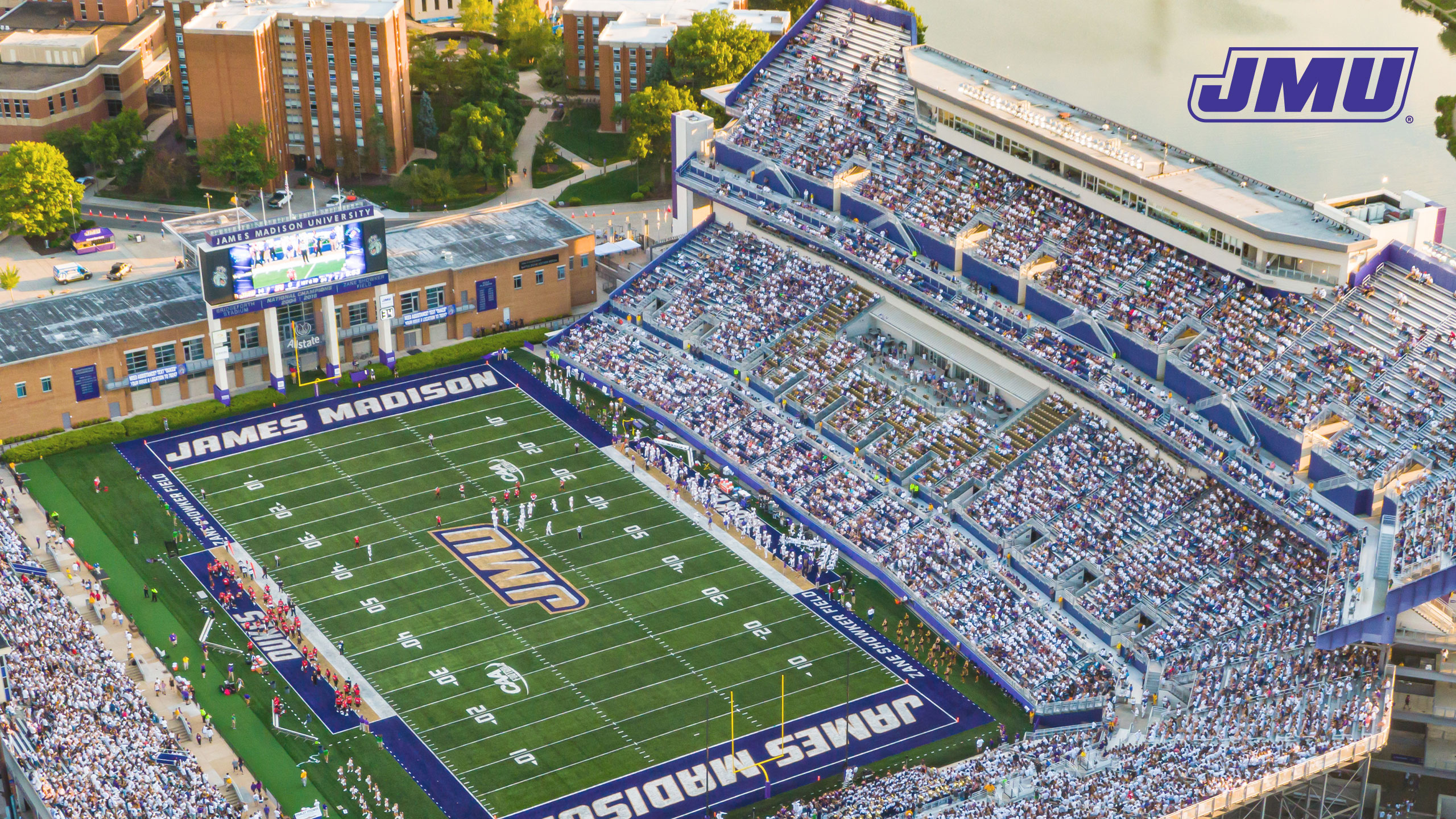
JMU football is different now. If you walked through the tailgates at Bridgeforth Stadium a few years ago, the conversation was all about Frisco, Texas, and winning another FCS national title. Today? It’s about bowl eligibility, TV markets, and why the Sun Belt is suddenly the most fun conference in the country. People kept asking about the James Madison University football conference situation because, honestly, the jump from the CAA to the FBS was messier and faster than anyone expected. It wasn't just a promotion; it was a breakup with the old guard of East Coast football that almost ended up in a courtroom.
Transitioning up a level in college football is usually a slow, painful grind. You’re supposed to lose. You’re supposed to struggle with depth. But JMU basically ignored the script. When they officially joined the Sun Belt Conference in 2022, they didn't just show up to participate—they started winning immediately.
Why the James Madison University Football Conference Shift Actually Happened
For a long time, JMU was the "big fish" in the CAA. They had the facilities, the fan base, and the budget of an FBS school while playing in the FCS. But the landscape changed. Teams like Old Dominion and Appalachian State had already left for the FBS, and the CAA was starting to feel a bit stagnant. The Dukes needed a platform that matched their investment.
Money talks. The Sun Belt offered a massive upgrade in terms of media exposure, specifically through their deal with ESPN. It wasn't just about the cash, though. It was about geography and "vibes." The Sun Belt is home to schools like App State, Coastal Carolina, and Marshall—programs that look and feel exactly like JMU. It’s a league built on passionate, regional rivalries rather than a sprawling footprint that makes no sense for travel.
The move wasn't exactly a smooth hand-off. The CAA actually barred JMU from competing for conference championships in their final year because of bylaws regarding departing members. It was petty. It was heated. And it only fueled the fire for the fan base in Harrisonburg. They felt like they were being pushed out of a house they helped build, which made the immediate success in the Sun Belt feel like the ultimate "I told you so."
The Brutal Reality of the NCAA Transition Rules
Here is the part that genuinely annoys every JMU fan: the transition rule. Under NCAA bylaws, a team moving from FCS to FBS is ineligible for a bowl game for two years. Two years! Even if you go undefeated, you’re stuck at home in December.
In 2023, the Dukes went 11-1. They were ranked in the AP Top 25. They were clearly one of the best teams in the country, let alone the James Madison University football conference of choice. Yet, because of a rigid rulebook, they were technically ineligible for the Sun Belt Championship game and a bowl. The school actually appealed to the NCAA multiple times, citing their unique readiness and performance. Each time, the NCAA said no. It was a bizarre situation where the "new kid" was too good for the rules designed to protect them from being overwhelmed.
They eventually got into the Armed Forces Bowl because there weren't enough six-win teams to fill all the slots. It was a loophole. A glorious, well-deserved loophole. They lost to Air Force, sure, but the point was proven. They belonged.
Breaking Down the Sun Belt East
The Sun Belt isn't a monolith; it's split into East and West divisions. JMU landed in the East, which is widely considered the "Division of Doom" in the Group of Five.
- Appalachian State: This is the big one. The "Black and Gold" rivalry is organic and fierce.
- Coastal Carolina: High-scoring, flashy, and always a threat.
- Old Dominion: The in-state rival that JMU fans love to beat.
- Marshall: A program with a massive history and a chip on its shoulder.
- Georgia Southern: Triple-option history (though they’ve evolved) and a very hostile road environment.
The Financial Leap and Recruiting
Moving to a new James Madison University football conference meant the budget had to explode. You can't compete in the Sun Belt with FCS-level NIL (Name, Image, and Likeness) collectives. The school had to lean on donors more than ever. Interestingly, the move actually helped recruiting. It’s a lot easier to pitch a four-star recruit on playing on ESPN2 on a Wednesday night than it is to pitch a streaming-only game in the CAA.
Coach Bob Chesney took over after Curt Cignetti left for Indiana, and he inherited a machine. But even with a coaching change, the expectations haven't dropped. That’s the "Sun Belt effect." The conference is so competitive that if you have one bad recruiting cycle, you’re suddenly at the bottom of the East division.
People forget how much travel matters. In the old conference, JMU was driving to Delaware, Richmond, and William & Mary. Now, they're flying to Arkansas State or Louisiana. That costs real money. But the payoff is the "Sun Belt Fun Belt" brand. The conference has leaned into being the "chaos" league of college football. They play mid-week games. They have wild upsets. It’s a brand that people actually want to watch.
What Most People Get Wrong About the Move
A common misconception is that JMU "bought" their way in. While they are a wealthy school compared to some peers, the Sun Belt chose them because of their winning culture. The conference wanted a winner to boost their overall strength of schedule and TV ratings.
Another mistake? Thinking the transition is over. It takes years to build the depth required to survive a full FBS season without a massive drop-off in the fourth quarter of games in November. JMU is still in that building phase, even if the scoreboard says otherwise. They are playing against teams that have 85 scholarship players, whereas FCS teams have 63. That gap is huge when injuries start piling up.
Looking Ahead: What’s Next for the Dukes?
The next step isn't just winning the Sun Belt; it’s the College Football Playoff. With the expanded 12-team (and potentially 14-team) playoff, the highest-ranked Group of Five champion gets a guaranteed spot. That is the new North Star for the James Madison University football conference journey.
If you're looking to follow the program or understand the impact of the conference move, keep an eye on these specific areas:
- NIL Growth: Watch how the "Montpelier Collective" grows. To stay at the top of the Sun Belt, they need to retain talent that bigger "Power Four" schools try to poach every December.
- Scheduling: Look at their non-conference games. JMU is now scheduling games against the likes of North Carolina, Maryland, and Virginia Tech. These are the games that put the program on the national map.
- Facility Upgrades: Bridgeforth Stadium is great, but talk of further expansion or "premium seating" is always simmering. To stay relevant in a top-tier G5 conference, the arms race never stops.
- Coach Retention: The biggest threat to JMU isn't other Sun Belt teams; it's the big-money schools hiring their coaches away. Success in this conference is a double-edged sword.
The Sun Belt has given JMU a seat at the table. It’s no longer about being the best of the "small" schools. It’s about proving that a school from the Shenandoah Valley can ruin the season of any powerhouse in the country. The transition period is technically over, but the era of JMU being a national brand is just getting started.
If you want to see what the future of college football looks like—where regional identity and winning matter more than just being in a "Super League"—look at Harrisonburg on a Saturday in October. It's loud, it's purple, and it's exactly where they belong.