Jewish time doesn’t move like the secular world. If you’ve ever wondered why your Jewish friends are suddenly "out of office" on a random Tuesday in October, or why a holiday seems to "move" every year, you’re not alone. It’s because the Jewish calendar is lunisolar. It follows the moon but adjusts for the sun. This means what holidays Judaism celebrate depends entirely on an ancient rhythm that predates the modern work week by thousands of years.
Honestly, the holidays aren't just about "celebrating" in the way many people think of parties. Some are somber. Some are basically outdoor camping trips. Others involve eating enough fried dough to make a cardiologist sweat. But they all tell a story of survival.
The Big Two: The High Holy Days
Most people start by asking about the "High Holidays." These are the heavy hitters. They aren't about gifts; they’re about the soul.
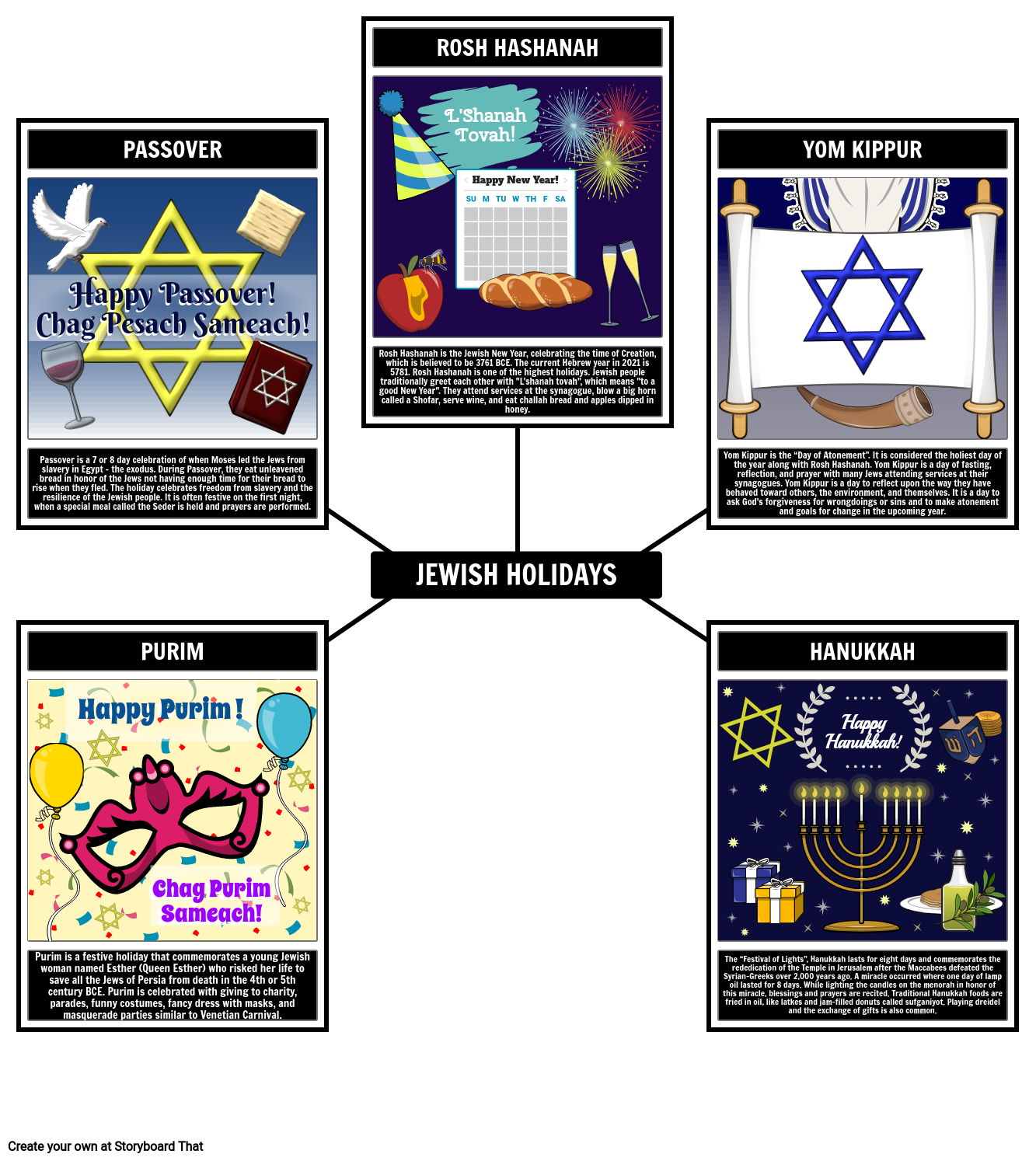
Rosh Hashanah is the Jewish New Year. It’s not "Happy New Year" with champagne and disco balls. It’s the birthday of the world. Traditionally, Jews believe this is when the "Book of Life" is opened. You eat apples dipped in honey because you want a sweet year. It’s simple. It’s visceral. You’ll also hear the Shofar, a ram’s horn that sounds like a raw, piercing cry. It’s meant to wake you up spiritually.
Then comes Yom Kippur. This is the big one. It’s the Day of Atonement.
Basically, for twenty-five hours, healthy adults don't eat or drink. Not even water. You spend the day in the synagogue praying and reflecting on every mistake you made in the last year. It’s intense. It’s exhausting. But there’s a weird kind of communal relief when the fast breaks. Many people wear white to symbolize purity. If you see someone looking a bit pale and wearing sneakers with a suit in late September, they’re probably observing Yom Kippur (leather shoes are traditionally avoided on this day).
The Harvest Festivals: Sukkot and Shavuot
Judaism is deeply rooted in agriculture. Even if you live in a high-rise in Manhattan, the holidays tie you back to the soil of ancient Israel.
Sukkot happens just five days after Yom Kippur. It’s a total 180-degree turn in mood. People build temporary huts outside called Sukkahs. They have leafy roofs so you can see the stars. You eat your meals there for a week. It commemorates the huts the Israelites lived in during their forty years in the desert, but it’s also a harvest festival. It’s tactile. You shake a Lulav (palm branch, willow, and myrtle) and an Etrog (a lemon-like citrus) in six directions. It feels ancient because it is.
Then there is Shavuot. It often gets overlooked by non-Jews, but it’s massive. It marks the giving of the Torah at Mount Sinai. How do people celebrate? They stay up all night studying and eat cheesecake. Why dairy? There are dozens of theories—some say it’s because the Torah is like "milk and honey," others say the kosher laws were so new they didn't have time to prep meat. Whatever the reason, it’s the best holiday for dessert lovers.
Hanukkah: The One Everyone Knows (For the Wrong Reasons)
Let’s be real. Hanukkah is a "minor" holiday in the grand scheme of Jewish law. It doesn't have the soul-shaking weight of Yom Kippur. However, because it usually falls near Christmas, it’s become the most famous example of what holidays Judaism celebrate in the West.
It’s about the Maccabees. It’s a story of religious freedom. After the Greeks defiled the Second Temple in Jerusalem, a small band of Jewish rebels fought back and won. When they went to rededicate the Temple, they only found enough oil to last one day. Miraculously, it lasted eight.
- We light the Menorah (or Chanukiyah).
- We eat fried foods like Latkes (potato pancakes) and Sufganiyot (jelly donuts).
- Kids play with a Dreidel, a four-sided spinning top.
It’s a holiday about light in the darkest time of year. It’s cozy. It’s greasy. It’s great.
Passover: The Festival of Freedom
Passover (Pesach) is arguably the most observed holiday among Jewish families worldwide. It’s the story of the Exodus—leaving slavery in Egypt.
The centerpiece is the Seder. It’s a ritual meal that can last for hours. You read from a book called the Haggadah. You eat Matzah (unleavened bread) because the Israelites left Egypt so fast their bread didn't have time to rise. For a week, Jews avoid "Chametz"—anything fermented or leavened. No bread, no pasta, no beer.
It’s a holiday of questions. The youngest person at the table asks the "Four Questions" to kick off the storytelling. It’s designed to keep kids engaged and to ensure the story of freedom is never forgotten. It’s also surprisingly complex; the laws regarding what is "Kosher for Passover" can fill entire bookshelves.
Purim: The Wild Card
If you like costumes and high-energy chaos, Purim is your holiday. It’s based on the Book of Esther. The villain, Haman, tried to wipe out the Jews in ancient Persia. Queen Esther and her cousin Mordecai outsmarted him.
On Purim, you:
- Dress up in costumes (like Halloween, but with more Jewish history).
- Hear the Megillah (scroll) read aloud. Every time Haman’s name is mentioned, everyone screams and shakes noisemakers called graggers.
- Give gifts of food to friends (Mishloach Manot).
- Give money to the poor.
- Eat Hamantaschen, which are triangular cookies filled with poppy seeds or fruit. They’re shaped like Haman’s hat (or his ears, depending on who you ask).
It’s the one day of the year where being a bit rowdy is actually encouraged.
The Weekly Holiday: Shabbat
You can’t talk about Jewish holidays without mentioning the one that happens every single week. Shabbat.
From Friday sundown to Saturday nightfall, the world stops. For observant Jews, this means no phones, no cars, no work, no turning on lights. It sounds restrictive, but in a world of 24/7 digital noise, it’s a radical act of self-care. You light candles, drink wine (Kiddush), and eat Challah (braided bread). It’s the "Palace in Time," as the famous Rabbi Abraham Joshua Heschel called it.
Why the Dates Keep Changing
People often get confused. "Is Hanukkah late this year?" No. Hanukkah is always on the 25th of the month of Kislev. The catch is that Kislev is a month on the Hebrew calendar.
The Hebrew calendar is lunar-based, with months of 29 or 30 days. To keep the holidays in their proper seasons (Passover must be in the spring), a "leap month" is added seven times every 19 years. This is why the holidays dance around the Gregorian calendar.
Actionable Steps for Navigating the Jewish Calendar
If you’re trying to be respectful of Jewish colleagues or friends, or if you’re exploring these traditions yourself, keep these nuances in mind:
- Check the Sunset: Jewish holidays start at sunset the evening before the date listed on most calendars. If a calendar says Rosh Hashanah is Thursday, it actually begins Wednesday evening.
- Work Restrictions: On major holidays like Rosh Hashanah, Yom Kippur, and the first/last days of Passover and Sukkot, observant Jews will not work, use electronics, or answer emails. Don't take it personally; they’re "unplugged."
- The "I’m Sorry" Season: The ten days between Rosh Hashanah and Yom Kippur are for making amends. If a Jewish friend reaches out to apologize for something specific, it’s part of the Teshuva (repentance) process.
- Food Sensitivity: If you’re hosting a Jewish friend during Passover, don't just offer "gluten-free." The rules for Passover are specific and don't always align with standard dietary trends. Always ask first.
Understanding these cycles helps demystify the Jewish experience. It’s a calendar built on memory, gratitude, and the stubborn insistence that even in the darkest times, there is a reason to light a candle or share a meal. Each holiday serves as a structural pillar for a community that has spent millennia moving from place to place, carrying nothing but their stories and their time.
Identify the upcoming Jewish holiday on a Hebrew-English calendar and note that it begins the evening prior. If you are planning an event or meeting, cross-reference it with these dates to ensure full participation from Jewish colleagues or friends. For those interested in the culinary side, seek out a local Jewish bakery to try seasonal specialties like Hamantaschen in the spring or honey cake in the fall.