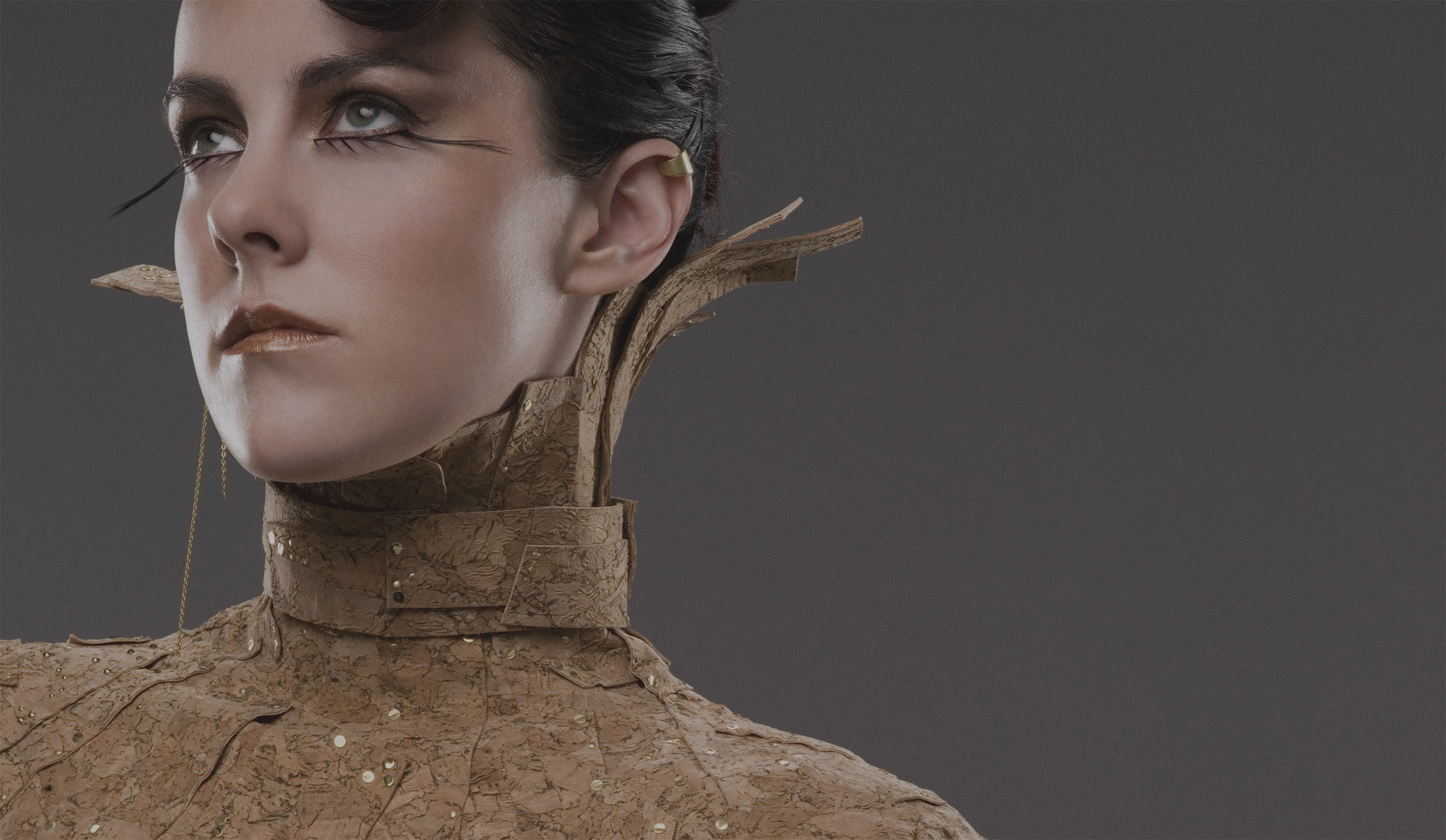
She’s angry. She’s naked in an elevator. She’s screaming at the sky in the middle of a lightning storm.
When most people think about Johanna Mason, they remember the attitude. They remember Jena Malone’s sharp smirk in the films or the way she stripped down just to make Katniss Everdeen feel awkward. But honestly? Focusing on the "mean girl" trope does a massive disservice to one of the most complex characters Suzanne Collins ever wrote. Johanna isn’t just comic relief or a foil to Katniss’s "Girl on Fire" persona.
She’s the reality of what happens when the Capitol wins, but you refuse to stay defeated.
The Brutal Logic of the 71st Hunger Games
To understand Johanna Mason, you have to look at how she won. Most Tributes win through raw strength or specialized skills—think Finnick with his trident or Katniss with her bow. Johanna won by being a "sly" victor. She spent her entire first Games pretending to be weak. She acted like a coward, a deer in the headlights, someone who didn't belong.
Then she killed everyone.
It was a brilliant tactical move, but it came with a price that would define her entire life. President Snow doesn't like being played. When Johanna refused to be sold into sex work—a horrific reality for many victors like Finnick Odair—Snow didn't just threaten her. He followed through. He murdered every single person she loved. Her parents, her friends, her mentors. Everyone.
By the time we meet her in Catching Fire, she has nothing left to lose. That’s her superpower. While Katniss is terrified of what will happen to Prim or Peeta, Johanna is already living in the aftermath of her own personal apocalypse.
Why the Elevator Scene Actually Matters
You probably remember the scene where Johanna strips in the elevator. On the surface, it’s a funny, edgy moment. Katniss is flustered, Haymitch is amused, and Peeta is... well, Peeta. But if you look deeper, it’s a profound act of rebellion.
In the Capitol, bodies are currency. The Tributes are dressed up like dolls, sexualized, and paraded around for the entertainment of the elite. By stripping down casually in a confined space, Johanna Mason is reclaiming her autonomy. She’s saying, "You want to look? Fine. But I’m the one in control here." She’s stripping the Capitol's costumes away and showing the raw, unpolished human underneath.
It’s also a direct jab at the Capitol’s obsession with artifice. While everyone else is wearing wigs and face paint, Johanna is just Johanna. She’s unapologetic. She’s "kinda" over the whole spectacle, and it shows in every jagged word she speaks.
The Physical and Psychological Toll of the 13th District
The movies gloss over this a bit, but the book version of Mockingjay is devastating for Johanna’s character. After being captured by the Capitol during the Third Quarter Quell, she’s tortured. Brutally. The Capitol used water and electricity to break her, which left her with a crippling phobia.
Imagine being a fierce warrior who survived two Hunger Games, only to be reduced to a shaking mess because someone turned on a shower.
Her relationship with Katniss in District 13 is one of the most authentic depictions of shared trauma in Young Adult literature. They aren’t best friends. They don't have "girl talk." Instead, they share a room and a mutual understanding of what it feels like to be a piece in someone else's game. Johanna’s struggle to pass the soldier training—and her eventual failure because of her PTSD—is a gut-punch. It’s a reminder that even the strongest people have breaking points.
The Misconception of Her "Mean" Streak
People often call her "difficult" or "unlikable."
That’s the point.
Johanna isn't there to be liked. She’s there to survive. Her abrasive personality is a defense mechanism built over years of isolation. When she tells Katniss that "none of us won," she’s speaking a truth that the rebellion doesn't want to hear. She’s the cynical voice of reason in a world that’s trying to wrap a messy war in a neat, heroic bow.
What Happened After the War?
Suzanne Collins leaves Johanna's fate somewhat open, which honestly feels right. We know she voted "yes" for a final Hunger Games using the Capitol's children—a choice that often shocks readers. But think about it from her perspective. She watched her entire family die. She was tortured for months. Why wouldn't she want the people responsible to feel a fraction of her pain?
She isn't a "moral compass" character. She’s a survivor.
Post-war, it’s likely Johanna returned to District 7. Without a family and with the weight of her trauma, her life wouldn't be easy. But there’s a quiet strength in the idea of her living among the trees again, far away from the cameras and the glitter of the Capitol.
How to Analyze Johanna Mason in Your Next Reread
If you're revisiting the series or watching the films again, keep these specific layers in mind to fully appreciate the depth of her character:
- Watch her reactions to Snow: Every time the President is mentioned, Johanna’s defiance flares. Notice how she’s the only one who openly curses him on camera.
- The "Sly" Strategy: Look for the moments where she uses her perceived "craziness" to mask her actual tactical movements during the Quell.
- The District 13 Arc: Focus on her vulnerability. The moments where she asks Katniss for pine needles are small, but they show a desperate longing for home that she usually hides behind insults.
- The Choice: Reflect on her vote for the final Games. Is she a villain for wanting revenge, or is she the most honest person in the room?
Johanna Mason is a masterclass in writing a "difficult" female character who doesn't need a redemption arc because she was never the problem to begin with. The Capitol was the problem. She just had the guts to say it out loud.