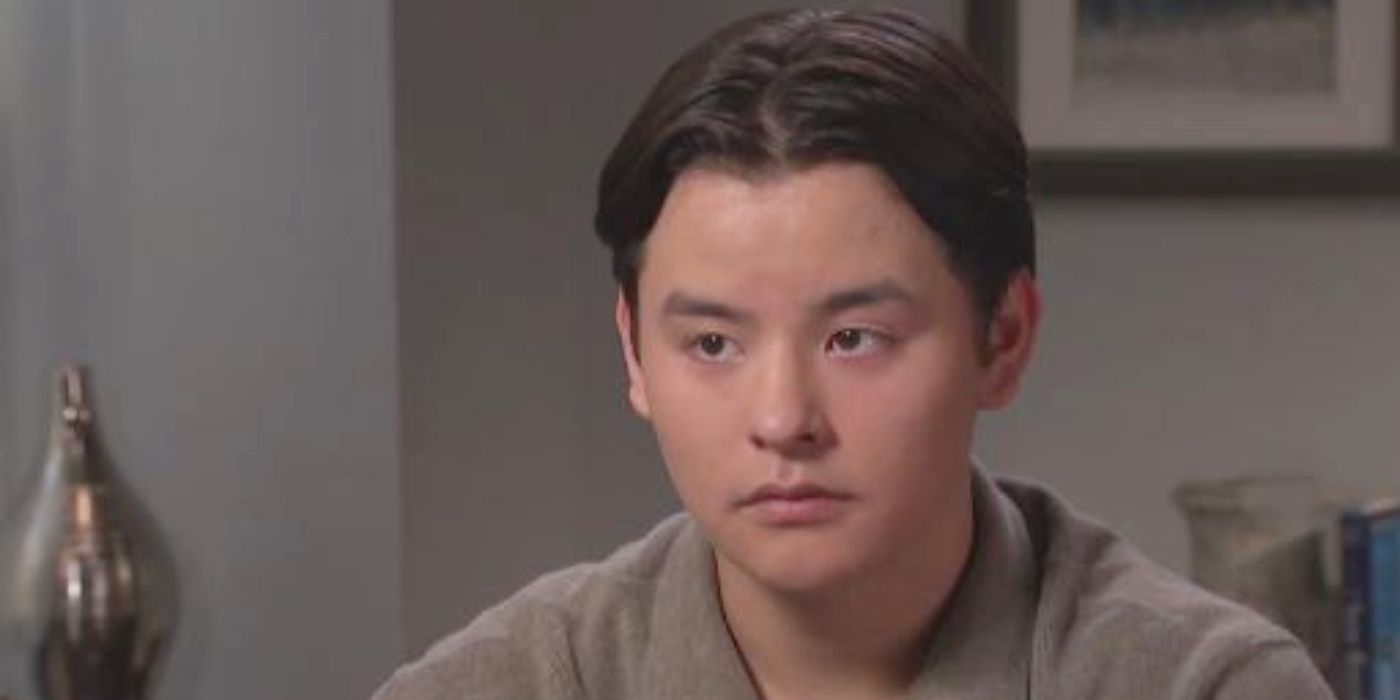
The image of ten people in matching puffer jackets is burned into the collective memory of anyone who owned a television in the mid-2000s. We watched them grow up. Or, we thought we did. Looking back at Jon and Kate Plus 8 Collin Gosselin, the narrative we were fed through a polished TLC lens doesn't just feel incomplete; it feels like a different reality entirely.
Reality TV is a misnomer. It’s a construction.
Collin was always labeled the "difficult" one by his mother, Kate Gosselin. He was the child who didn't quite fit the synchronized choreography of a family that lived and breathed for the camera. While his siblings—Cara, Mady, Alexis, Hannah, Aaden, Leah, and Joel—navigated the chaos of fame, Collin became the focal point of a much darker family dynamic. It wasn't just about tantrums. It was about a systematic removal of a child from his own home.
The Disappearance of Collin Gosselin
For years, viewers noticed a gap in the lineup. Where was Collin? In 2016, Kate Gosselin famously told People magazine that Collin had "special needs" and had been sent away to a program to help him reach his full potential. It sounded vague. It sounded like PR damage control.
The truth was far more clinical and, frankly, heartbreaking.
Collin was placed in Fairmont Behavioral Health System. He wasn't there for a weekend. He was there for years. Imagine being a pre-teen and suddenly, your siblings are going to school and filming a TV show while you’re behind the walls of a residential facility. Jon Gosselin, who had been largely estranged from the kids following the explosive 2009 divorce, eventually claimed he didn't even know where his son was for a significant period.
Legal battles aren't cheap. They aren't quick. Jon spent a fortune in legal fees to get Collin out. In 2018, Jon was granted sole physical and legal custody of Collin after Kate failed to show up for a court hearing. Think about that. A mother who spent a decade branding herself as the ultimate "mama bear" didn't show up to the hearing that decided where her son would live.
Life After the Institution
When Collin finally walked out of those doors, he didn't go back to the big house in Wernersville. He moved in with Jon. He was joined by his sister, Hannah, who also chose to live with their father. The family was split down the middle. Six kids with Kate. Two with Jon.
The transition wasn't some Hallmark movie. You don't just spend years in an institution and then go get ice cream like nothing happened. Collin has been incredibly vocal lately about the trauma of that time. He’s done interviews—notably with Entertainment Tonight and in the Vice docuseries Dark Side of the 2000s—where he laid it all out. He didn't hold back. He spoke about feeling isolated. He spoke about a mother who, in his view, couldn't handle his personality and chose to "remove" the problem rather than solve it.
It's heavy stuff.
Kate, for her part, has doubled down. After Collin’s interviews went viral, she released a statement claiming his "struggles" were well-documented and that she did what she had to do to protect the rest of the family. It's a classic case of he-said, she-said, but with the added weight of medical records and a decade of televised evidence.
The Military Dream and the Reality of Trauma
What does a kid like Collin do after all that? He tried to join the Marines.
He wanted a fresh start. A sense of discipline that didn't involve cameras. In 2023, Collin entered the Marine Corps, but his stint was short-lived. He was discharged shortly after starting. While the exact details of a military discharge are often private, Collin later shared that his past—specifically his time in the behavioral health facility—played a role.
It’s a cruel irony. The very thing his mother said was "for his own good" ended up being the thing that barred him from the career he wanted.
But he’s a fighter. He’s currently studying finance. He’s working. He’s trying to build a life that has absolutely nothing to do with reality television. He and Hannah remain close, acting as a small support system against a family that has effectively turned its back on them. The other six siblings? They don't really talk to him. Mady and Cara have been publicly critical of Collin, siding with Kate.
It's a mess. Honestly, it's a tragedy of the digital age.
Why the Story of Jon and Kate Plus 8 Collin Matters Now
We talk a lot about "child stars," but we rarely talk about child reality stars. There are no Coogan Laws for kids on TLC. These children didn't have a script; they had their actual lives harvested for ad revenue. Jon and Kate Plus 8 Collin is a cautionary tale for the "sharenting" era.
When you look at the timeline, the fractures were always there:
- 2007: The show premieres, turning the Gosselins into household names.
- 2009: Jon and Kate's marriage implodes on national television.
- 2016: Collin is sent away to a behavioral facility.
- 2018: Jon wins custody; Collin begins his long road to recovery.
- 2023: Collin speaks out in major documentaries, exposing the "dark side" of his upbringing.
Most people get it wrong. They think this is just some spoiled kid acting out against a strict mom. But when you dig into the court filings and the interviews from people who were there, you see a much more complex picture of a child who was scapegoated.
The institutionalization of Collin Gosselin wasn't just a family matter; it was a failure of the systems designed to protect children. The network kept filming. The sponsors kept paying. Nobody stopped to ask if "special needs" was a legitimate diagnosis or a convenient label to justify removing a rebellious child from a profitable set.
Navigating the Legacy of Reality TV Trauma
If you're following this story, it's easy to get lost in the gossip. But there are real lessons here for how we consume media and how we view family dynamics under pressure.
Acknowledge the Power Imbalance
In any celebrity family, the parents hold all the cards. They control the money, the narrative, and the legal representation. Collin’s story reminds us that a child's "truth" often doesn't get heard until they are old enough to hire their own PR firm or sit for a televised interview.
Look Beyond the Edit
Editors can make anyone look like a villain or a saint. For years, Collin was edited to seem "difficult." We only saw the snippets Kate wanted us to see. Now that he’s an adult, he’s speaking in full sentences, with nuance and a surprising lack of bitterness, considering everything. It challenges the "problem child" narrative entirely.
Support Legislation for Reality Kids
This is the actionable part. There is currently a push in various states to ensure that children on reality shows (and social media influencers' kids) have their earnings protected and their working hours regulated. Following organizations like the Look After Kids (LAK) or supporting bills modeled after the "Quiet on Set" revelations is a way to turn this interest into actual change.
Understand the Impact of Estrangement
Family estrangement is incredibly common, but rarely discussed with this level of public scrutiny. Collin’s relationship with his mother is, by all accounts, non-existent. That's a heavy burden for a young man to carry while the world watches. It’s a reminder that "family" isn't always a safe harbor; sometimes it's the storm.
What's Next for Collin?
Collin seems focused on stability. He’s moving toward a career in the corporate world, far away from the flashing lights. He’s stayed relatively quiet on social media lately, choosing instead to do a few deep-dive interviews that set the record straight before retreating back into "normal" life.
It’s probably the healthiest thing he could do.
If you want to understand the full scope of what happened, watch the Dark Side of the 2000s episode featuring Jon and Collin. It’s harrowing, but it’s necessary context. It bridges the gap between the smiling kids on the DVD covers and the adults they’ve become.
The most important thing you can do as a consumer of this news is to stop viewing these individuals as characters. Collin isn't a "character" from a show you liked in 2008. He's a man who spent his formative years in a facility because his parents couldn't agree on how to raise him—or how to handle the fame that came with it.
Keep an eye on the legislative changes regarding child influencers and reality TV participants. That's where the real story ends—hopefully with a world where what happened to Collin never happens to another kid for the sake of "good TV."
To stay truly informed, look for direct interviews rather than aggregated gossip sites. The nuance is in the details of his own words, not the headlines designed to get clicks. Understand that trauma recovery isn't linear. Collin is still in the middle of his story, and for the first time in his life, he's the one holding the pen.
Next Steps for the Concerned Reader
- Research the "Coogan Law" and see how it is being adapted for the digital and reality TV age in states like California and Illinois.
- Watch the Vice "Dark Side of the 2000s" episode on the Gosselins for a first-hand account of the filming conditions.
- Refrain from engaging with "hate-following" accounts that continue to exploit the fractured relationships of the Gosselin siblings for engagement.
- Educate yourself on the signs of "Scapedgoating" in narcissistic family systems to better understand the psychology behind Collin's specific role in the family.