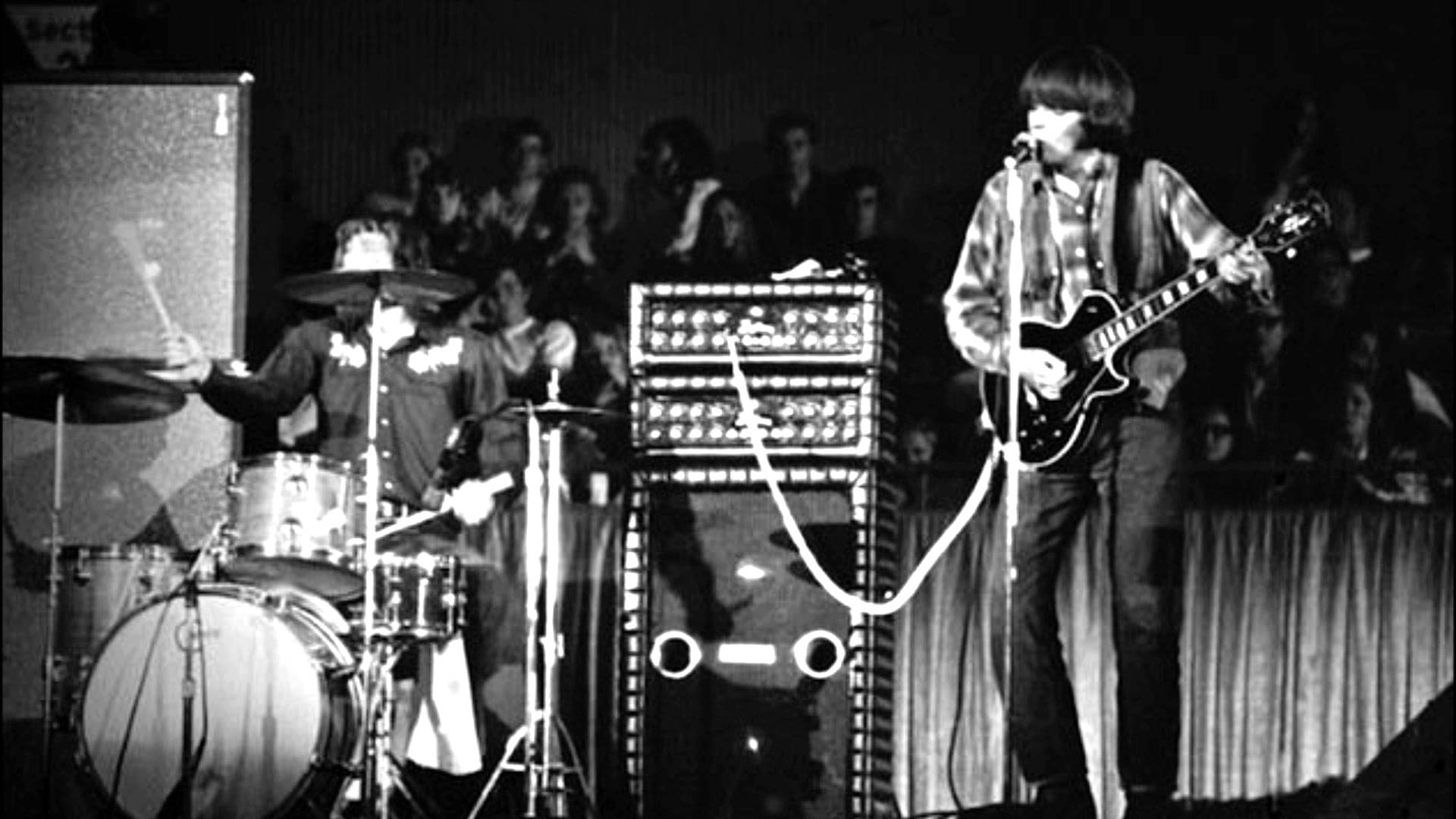
When you hear that iconic, gravelly howl on "Proud Mary" or the defiant snarl of "Fortunate Son," it’s easy to picture a man born and raised in the humid, moss-draped bayous of Louisiana. That's the first thing people usually get wrong. John Fogerty, the unmistakable lead singer for Creedence Clearwater Revival, actually grew up in El Cerrito, California. He wasn’t a "Son of the South." He was a suburban kid with a dream, a Sears Silvertone guitar, and a work ethic that would eventually make him one of the most successful—and legally embattled—men in rock history.
Fogerty didn't just sing. Honestly, he was the band in every way that mattered to the charts. While his brother Tom Fogerty, bassist Stu Cook, and drummer Doug Clifford provided the backbeat, John wrote the songs, produced the records, arranged the harmonies, and played the lead guitar. It was a staggering level of control.
But that control came with a heavy price.
The Man Behind the Swamp Rock Sound
John Fogerty’s voice is a force of nature. It’s gritty. It's rhythmic. It sounds like it’s been cured in a smokehouse and washed down with Mississippi river water. In 1969, CCR was arguably the biggest band in the world, even outselling the Beatles. Think about that for a second. In one single year, they released three Top Ten albums: Bayou Country, Green River, and Willy and the Poor Boys.
That's a level of creative output we just don't see anymore.
Why the lead singer for Creedence Clearwater was so different
Most of the "hippie" bands coming out of San Francisco at the time were into long, psychedelic jams. They’d play one song for twenty minutes. Fogerty hated that. He wanted tight, three-minute radio hits. He treated the band like a job. They rehearsed in a shed until they were "Creedence neat."
His songwriting was deceptively simple. Take "Born on the Bayou." It’s basically one chord. Just an E7. But it’s the way he plays it—that tremolo-soaked, menacing riff—that makes it legendary. He had this uncanny ability to tap into a collective American consciousness, writing about working-class struggles and political unrest without ever sounding like he was lecturing you.
The 50-Year War: Why Fogerty Stopped Singing His Own Songs
If you saw John Fogerty live in the late 70s or early 80s, you’d have been disappointed. He wouldn't touch a CCR song. Not one.
Why? Because of a man named Saul Zaentz and a deal signed when John was just a teenager. To get out of a suffocating contract with Fantasy Records, Fogerty did something unthinkable: he gave up his publishing rights. He literally walked away from the ownership of his own creations.
The bitterness ran deep. It got so bad that Zaentz eventually sued Fogerty for plagiarizing himself.
"I was being sued for sounding like John Fogerty," the singer famously noted.
The label claimed his solo hit "The Old Man Down the Road" sounded too much like CCR's "Run Through the Jungle." Fogerty actually brought his guitar into the courtroom to show the jury the difference between the two songs. He won the case, but the victory felt hollow. He felt betrayed by his bandmates, too, who he felt sided with the label during the legal chaos. This "saddest story in rock" meant that for decades, the lead singer for Creedence Clearwater was a stranger to his own legacy.
Reclaiming the Throne in 2023
For years, fans wondered if the legal mess would ever end. It finally did. On January 13, 2023, John Fogerty announced he had finally bought back a majority stake in the global publishing rights to his CCR catalog.
It took fifty years.
He’s now in his late 70s, but he’s still touring. If you see him now, the setlist is packed with the hits he once refused to sing. There’s something incredibly poetic about a man who fought for half a century to own the words that came out of his own mouth.
What happened to the other members?
The "Revival" didn't extend to the original lineup. Tom Fogerty passed away in 1990 without ever reconciling with John. Stu Cook and Doug Clifford eventually formed "Creedence Clearwater Revisited," touring the world playing the hits while John watched from the sidelines, often through a haze of lawsuits.
Even today, the "bad blood" is legendary. John didn't even play with them when they were inducted into the Rock and Roll Hall of Fame in 1993. Instead, he performed with an all-star band that included Bruce Springsteen and Robbie Robertson.
Actionable Insights for Music Lovers
If you're looking to dive deeper into the history of the lead singer for Creedence Clearwater, here is how to truly appreciate the Fogerty legacy:
- Listen to the "Chronicle" album first: It’s one of the best-selling "Greatest Hits" albums for a reason. It captures the 1969-1971 peak perfectly.
- Watch the 1970 Royal Albert Hall footage: It was recently restored and released. It shows the band at their absolute tightest, proving they weren't just a studio creation.
- Read his memoir, "Fortunate Son": If you want the gritty, unvarnished details of the lawsuits and the family drama, this is the definitive source.
- Check out his solo work: Beyond the CCR hits, albums like Centerfield (1985) show that Fogerty could still write a massive hook even after a decade in the "wilderness."
John Fogerty’s story isn't just about rock music. It’s a cautionary tale about the business of art. It’s about why you should always read the fine print. But mostly, it’s about a voice that refused to be silenced, even when the person who owned it didn't own the rights to the words.
Now that he finally owns his songs again, the legacy of the lead singer for Creedence Clearwater feels complete. He isn't just a voice on the radio anymore; he’s a man who won his life back.