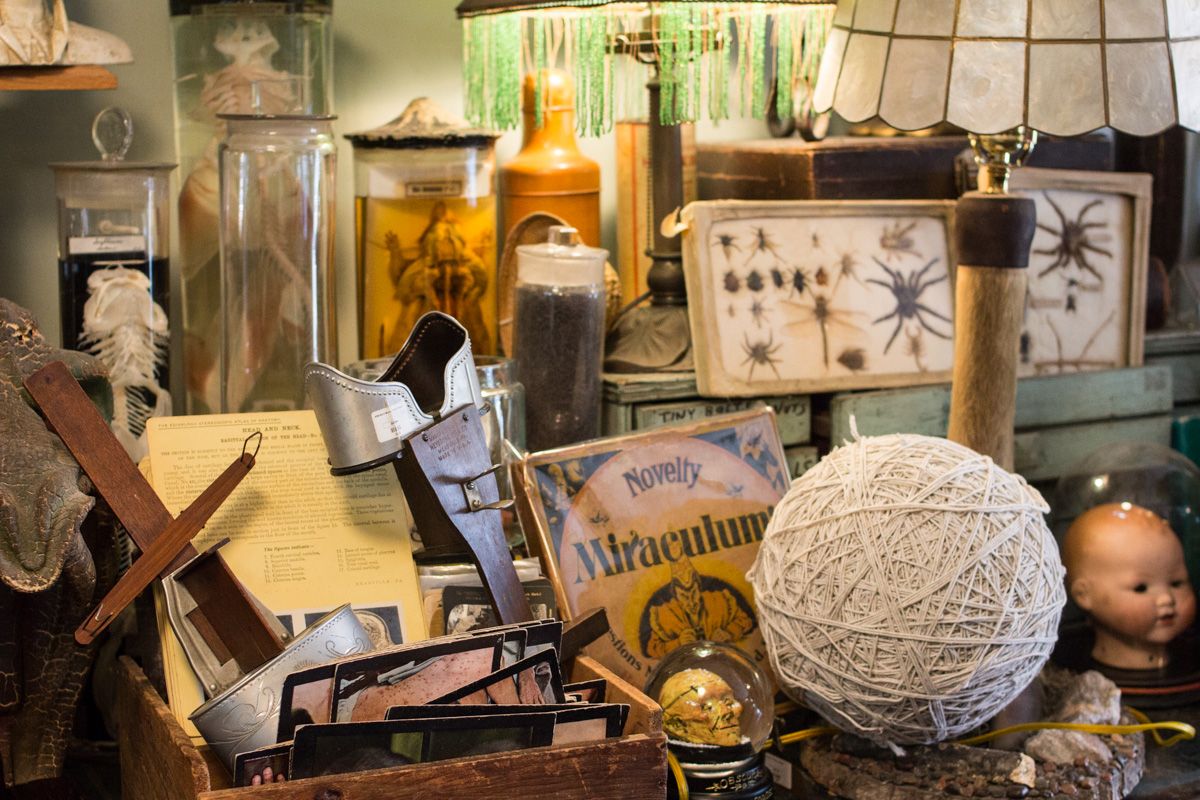
New York City is full of shops that try way too hard to be edgy. You know the ones. They have the neon signs and the curated "vintage" vibe that feels like it was bought wholesale from a catalog. But then there’s Obscura Antiques New York. It is weird. Like, genuinely, uncomfortably, wonderfully weird. If you’ve ever spent a Saturday afternoon wandering through the East Village, you might have stumbled upon it and wondered if you accidentally walked into the private study of a Victorian mad scientist.
Honestly, it’s a bit of a local legend.
Most people know it from the Science Channel show Oddities, which ran for several seasons and turned the owners, Mike Zohn and Evan Michelson, into the unofficial ambassadors of the macabre. But the shop is much older than its TV fame. It opened back in 1991, originally in a tiny spot on East 9th Street before eventually moving to its current home at 110 East 7th Street. It has survived rent hikes, gentrification, and a global pandemic that shuttered half the unique businesses in Lower Manhattan. That’s because it isn't just selling "stuff." It’s selling a specific kind of history that most museums are too squeamish to put on display.
Why Obscura Antiques New York Isn't Your Typical Thrift Store
If you go in looking for a mid-century modern coffee table or a cool denim jacket, you’re going to be very disappointed. Or maybe horrified.
The inventory at Obscura Antiques New York is centered around what collectors call "medicalia," natural history, and the Victorian cult of mourning. Think taxidermy that looks back at you with glass eyes that seem a little too real. Think 19th-century prosthetic limbs made of wood and leather. We’re talking about glass jars filled with things that used to be alive, funeral photos, and dental molds from a time before anesthesia was a standard thing. It’s gritty.
The vibe is less "boutique" and more "eccentric uncle’s attic."
What’s fascinating about this place is the level of expertise behind the counter. Mike Zohn and Evan Michelson aren't just resellers; they are deep-level historians of the strange. Evan, in particular, has a background in the underground music scene and a lifelong obsession with the aesthetics of death. She’s often described as a "scholar of the macabre." When you buy a two-headed calf or a Victorian hair wreath from them, you aren't just getting a conversation piece. You're getting a provenance. They can tell you why people in the 1800s kept locks of their dead relatives' hair or how a specific medical tool was used in a way that will make your skin crawl.
The Science of "The Ick" Factor
Why do we like this stuff? There’s a psychological pull toward the "memento mori"—the reminder that we are all mortal. In a world that is increasingly digital and sterilized, there is something grounding about holding a physical object that represents the reality of the human body or the natural world.
Finding the East Village’s Most Bizarre Treasures
Walking into the shop is a sensory overload. It’s small. It’s cramped. You have to be careful not to knock over a Victorian coffin cooling board with your backpack.
One day you might see a collection of "spirit photos"—those 19th-century double-exposure hoaxes meant to look like ghosts. The next day, it might be a jar of teeth or a set of antique glass eyes from Germany. The inventory flips constantly because the community of "oddity" collectors is surprisingly huge and incredibly competitive.
- Taxidermy: Not just deer heads. Think anthropomorphic mice dressed like Victorian chimney sweeps or rare deep-sea specimens.
- Medical Artifacts: Early surgical kits that look like torture devices, anatomical models used in 1920s medical schools, and apothecary bottles still containing mysterious powders.
- Art of Death: Post-mortem photography, which was a common way for grieving families to have one last "sitting" with a loved one before burial.
- Natural Wonders: Petrified wood, oversized insect displays, and fossilized remains.
Prices vary wildly. You can find a weird postcard for ten bucks or spend thousands on a museum-quality skeleton. It’s one of the few places in Manhattan where a goth teenager and a high-end interior designer might be bidding on the same item.
Does it feel exploitative?
That’s a question people ask a lot. Is it weird to sell human remains or medical trauma? The folks at Obscura Antiques New York generally handle this with a lot of respect. There are legal and ethical lines they have to walk, especially regarding the sale of human bones (which is legal in many states but heavily regulated). They treat these items as historical artifacts. They see the beauty in the breakdown. If you walk in there looking to make fun of the items, you’ll probably get a cold shoulder. If you walk in with genuine curiosity about the history of medicine or Victorian social customs, they’ll talk your ear off.
The Legacy of "Oddities" and the New York Scene
When Oddities premiered in 2010, it changed everything for the shop. Suddenly, "Obscura" wasn't just a local secret; it was a tourist destination. People would fly in from across the country just to see if Mike or Evan were there. It sparked a massive trend in "dark academia" and "curiosity cabinet" decor that you see all over Pinterest now.
But television fame is a double-edged sword.
It brought in a lot of "looky-loos"—people who just wanted a selfie and had no intention of buying a jar of preserved leeches. Yet, the shop survived the "reality TV" era and returned to its roots as a cornerstone of the East Village’s shrinking counter-culture. In an era where Amazon can deliver almost anything to your door in two hours, you still can't really "order" the experience of Obscura. You have to go there. You have to smell the old paper and the faint scent of preservative chemicals. You have to feel the weird energy of a room filled with things that have outlived their owners by a century.
It’s about the hunt.
Finding something like a 19th-century "hand of glory" or a wax moulage of a rare skin disease requires a network of pickers, estate liquidators, and eccentric retirees. Mike and Evan have spent decades building that network. That’s the "moat" around their business. Anyone can open a shop and sell "weird" stuff, but few people have the eye to distinguish between a cheap fake and a genuine piece of history.
The "New" Obscura
While the shop feels frozen in time, it has evolved. They’ve embraced the internet more than you’d think for a place that looks like 1888. Their Instagram is a masterclass in visual storytelling, showing off new arrivals like "articulated turtle skeletons" or "miniature French guillotines."
Even if you aren't in the market for a shrunken head (which, by the way, are almost always fakes made of goat skin, and a reputable dealer will tell you that), the shop serves as a vital piece of the NYC ecosystem. It’s a reminder that the city still has corners that haven't been sanded down by corporate interests. It’s a place for the outcasts, the nerds, and the people who find the "normal" world a little bit boring.
How to Visit and What to Know Before You Go
If you’re planning a trip to Obscura Antiques New York, don't just barge in. It's a small space. If there are five people in there, it’s crowded.
- Check the Hours: They aren't a 24/7 operation. Usually, they open around noon and close by 7:00 PM or 8:00 PM, but it’s always smart to check their social media or website before trekking to the East Village.
- Respect the "No Touch" Rule: This isn't a hands-on museum. A lot of the items are incredibly fragile. Some are literally held together by 100-year-old glue and hope.
- Ask Questions, But Be Cool: The staff is incredibly knowledgeable, but they are also running a business. If you’re genuinely interested in the history of an object, ask! They love sharing the stories behind their finds.
- Bring Money (But Browsing is Free): You don't have to buy anything to appreciate the shop, but if you do find that perfect Victorian medical chart, be prepared to pay for the expertise and the rarity. They take cards, but cash is always appreciated in small local shops.
- Explore the Neighborhood: Since you’re already on East 7th Street, walk around. This part of the East Village still has some of that old-school grit. Grab a pierogi at Veselka or a drink at McSorley’s Old Ale House to keep the "historic NYC" vibe going.
The reality is that places like Obscura Antiques New York are a dying breed. As commercial rents in Manhattan continue to skyrocket, independent shops that specialize in niche, non-essential goods are the first to go. The fact that Obscura is still standing—and still weird—is a testament to the community they’ve built.
It’s a place that reminds us that history isn't just about dates and wars. It's about the weird, physical things we leave behind. It’s about the way we try to understand our bodies, our deaths, and the natural world around us. Whether you find it creepy or captivating, you can't deny that it’s one of the most honest places in the city.
Next Steps for the Curious Collector
If you want to start your own "cabinet of curiosities," don't start by buying the most expensive thing in the shop. Start small. Look for "ephemera"—old photos, postcards, or letters. These are often affordable and offer a direct link to the past. Read up on the history of the objects that interest you. Books like The Morbid Anatomy Anthology or Hidden Beauty: Exploring the Aesthetics of Medical History are great places to start. Most importantly, keep an open mind. The world is a lot stranger than we usually give it credit for, and places like Obscura are just here to show us the evidence.
Check their official website or Instagram before visiting to see if they have any special exhibits or if their hours have shifted for the season. If you aren't in New York, they do occasionally list items for sale online, though the best stuff usually moves too fast to ever hit a website.