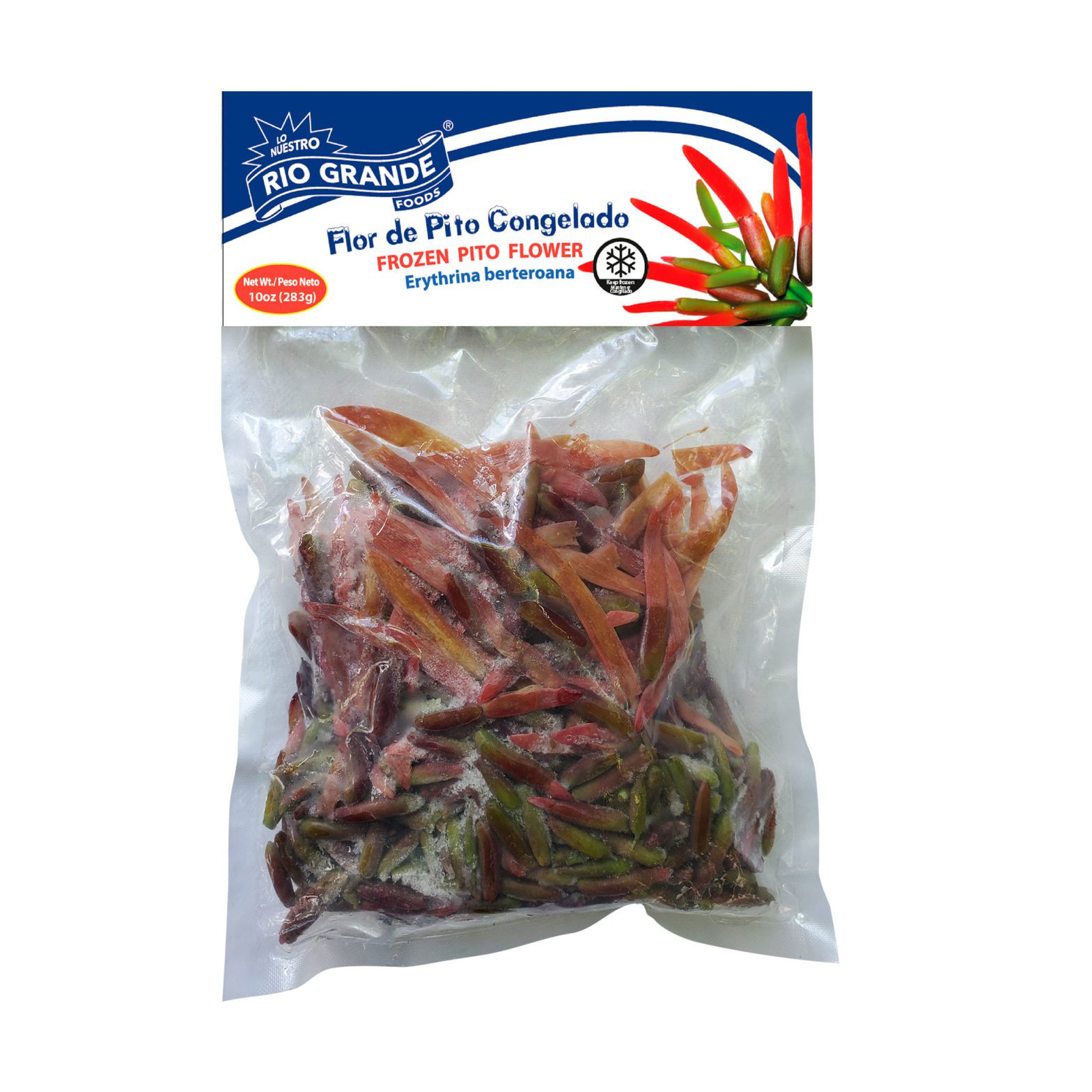
If you walk through a Salvadoran market between January and March, you’ll see them. Bright, fiery red clusters of petals that look more like a collection of tiny machetes or rooster combs than something you’d want to put in your mouth. They're everywhere. We call it pito en El Salvador. To a tourist, it looks like decorative shrubbery. To a local? It’s dinner. And it’s a sedative.
Honestly, it’s one of the weirdest culinary traditions we have. The Erythrina berteroana—that's the scientific name for the nerds out there—is a legume tree. But we don't eat the beans; we eat the flowers.
There is a catch, though. This isn't just a vegetable. It’s a literal tranquilizer. You eat enough pito, and you aren't going to the club afterward. You’re going to bed.
What is Pito and Why Does El Salvador Eat It?
Most people think "pito" just means a whistle or a horn in Spanish. In El Salvador, it refers to this specific flower because the closed buds look like little whistles. Kids used to actually try to blow into them, though they don't really make a sound.
The tree is rugged. It’s often used as a "cerca viva" or a living fence. Why? Because the branches are covered in nasty thorns. It keeps the cows in and the neighbors out. But once a year, these thorny barriers explode into these vibrant red blossoms.
The flavor is hard to describe if you’ve never had it. It’s earthy. It’s slightly bitter. It has a "green" taste that reminds you of spinach but with a much firmer, almost meaty texture once cooked. But the bitterness is the point. In Salvadoran cuisine, bitterness is often associated with medicinal properties.
The Chemistry of Sleep: Does It Actually Work?
This isn't just an old wives' tale. The pito flower contains alkaloids. Specifically, it has compounds like erythratine and erysodine.
These chemicals have demonstrated anxiolytic and sedative effects. It’s basically nature’s Valium. In rural areas, if a kid is being too hyper or an adult can't sleep because of stress, the solution is simple: make some pito soup.
You've probably heard of chamomile or valerian root. Pito is like their more aggressive, red-headed cousin. It doesn't just "relax" you; it heavy-handedly invites you to lose consciousness for eight hours. Scientists have actually studied Erythrina species for years. Research published in journals like Journal of Ethnopharmacology has looked into how these alkaloids interact with the central nervous system. It's legitimate.
How We Actually Cook Pito en El Salvador
You can’t just go out, pluck a flower, and munch on it. Well, you could, but it would taste terrible and you’d probably get a stomach ache.
Preparation is everything.
First, you have to "despitar." This is the tedious part. You have to remove the green stems and the little "pistilo" inside. You only want the red petals. If you leave the green bits, the bitterness becomes overwhelming. Most Salvadoran families sit around a table for an hour doing this by hand. It’s a social event.
The Classic Preparations
One of the most common ways to see pito en El Salvador served is in alguashte. Alguashte is a grayish-green powder made from ground pumpkin seeds (pepitoria). It’s the "secret sauce" of Salvadoran indigenous cuisine.
- Pito con Huevo: You parboil the flowers first to soften them and remove some of the intensity. Then you sauté them with onions, tomatoes, and scrambled eggs. It’s a powerhouse breakfast, though eating it before work might be a mistake if you have a long meeting.
- Sopa de Frijoles con Pito: This is the gold standard. When you’re boiling a fresh pot of red silk beans (frijol de seda), you throw in a handful of pito flowers along with some pork bone or chicharrón. The flowers soak up the bean broth and become tender.
- Pitos entomatados: Just the flowers simmered in a thick tomato and onion sauce. Simple. Effective.
The Cultural Weight of the Flower
It's more than just food. It’s a marker of the seasons.
In El Salvador, we don't have four seasons. We have "dry" and "wet." Pito season marks the peak of the dry season (verano). It’s hot, the dust is blowing, and the pito trees are the only things that look lush and alive because they thrive in the heat.
There’s also a deep connection to the indigenous Pipil heritage. Long before the Spanish arrived, the people of the Cuzcatlán region were using Erythrina for medicine and food. It’s one of those few things that survived the colonial era completely intact. We eat it today almost exactly how it was eaten 500 years ago.
Warnings and Common Mistakes
Look, I love pito, but you have to be careful.
Don't eat the seeds. The flowers are fine, but the seeds (which are bright red with a black spot) are highly toxic. They contain much higher concentrations of alkaloids that can cause paralysis or worse if ingested in large quantities. They’re pretty to look at—often used in local crafts—but keep them out of the kitchen.
Also, some people are more sensitive to the sedative effects than others. I’ve seen people eat a bowl of pito soup and be totally fine. I’ve also seen people eat three bites of pito con huevo and fall asleep on the sofa fifteen minutes later.
If it’s your first time trying pito en El Salvador, start small. Don't eat a mountain of it if you have to drive a car through the chaotic traffic of San Salvador later that day.
Where to Find It
If you’re visiting, you won't usually find this on the menu at a fancy restaurant in Multiplaza or the Escalón. It’s "comida casera" (home cooking).
To find it, you need to head to the local mercados. Mercado Central in San Salvador or the markets in Santa Tecla are your best bets. Look for the women sitting on low stools with big baskets of red flowers. They usually sell them by the "medida" (a small tin can used as a measuring cup).
If you're at a restaurant, look for "fondas" or places that serve "comida vista" (buffet style). During February, they almost always have a tray of pitos entomatados or pitos with egg.
The Future of Pito in a Modernizing Country
Sadly, as El Salvador urbanizes, we're seeing fewer pito trees. People want concrete walls now, not living fences with thorns.
Younger generations in the city sometimes turn their noses up at it. They’d rather have a burger or sushi. But there’s a mini-renaissance happening. Local chefs are starting to experiment with pito in "new Salvadoran" cuisine. I’ve seen pito used in gourmet reductions and even infused into craft cocktails (though the sedative effect plus alcohol is a bold choice).
The pito is a survivor. It's a plant that thrives in the harshest sun, protects the land with its thorns, and then offers up a beautiful flower that helps you forget your troubles and get some sleep.
Actionable Steps for Exploring Pito
If you want to experience this unique Salvadoran tradition correctly, here is how you do it:
- Visit a local market in February: This is the absolute peak of the season. Look for vibrant red, not dull or brownish flowers.
- Ask for "pitos preparados": If you aren't a cook, find a comedor (small local eatery) and ask if they have pitos. They will usually serve them with a side of handmade tortillas and fresh cheese.
- The "Despitar" Test: If you buy them raw, make sure you pinch off the base and the interior stamen. If you don't, the dish will be too bitter to enjoy.
- Pair with "Relajo": If you’re making a sauce for the pito, use relajo—the Salvadoran spice mix containing pumpkin seeds, sesame seeds, bay leaves, and dried chilies.
- Plan for a Nap: Seriously. Do not eat a large portion of pito if you have a deadline or a flight to catch. Treat it like a natural sleep aid.
Whether you're looking for a natural way to cure insomnia or you just want to taste the most authentic, pre-Columbian flavors of the country, pito en El Salvador is something you can't skip. It's bitter, it's weird, and it’s deeply Salvadoran.