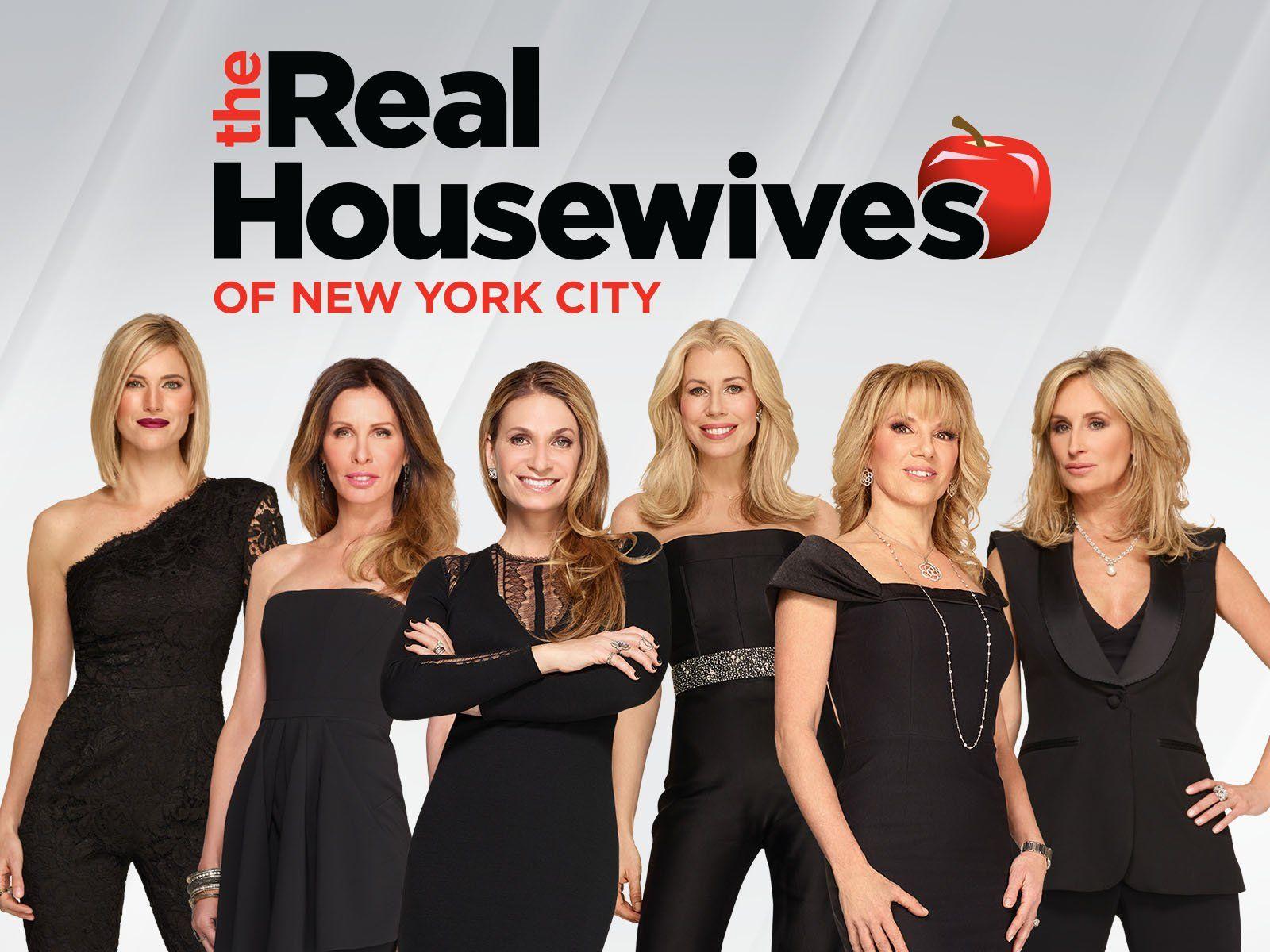
New York City changes fast. One minute you're eating a dollar slice in the East Village, and the next, that storefront is a high-end boutique selling artisanal candles for eighty bucks. Reality TV is kinda the same way. For over a decade, the Real Housewives of New York City was defined by a specific group of women—Ramona, Luann, Sonja—who basically became caricatures of Upper East Side eccentricity. But then, things got stale. The ratings dipped. The vibe felt dusty.
Bravo did something radical. They fired everyone.
It was a massive gamble. People were pissed. Long-time fans claimed they’d never watch again because, honestly, how do you replace the "Turtle Time" era? But the 2023 reboot, featuring a completely fresh cast like Jenna Lyons and Brynn Whitfield, actually saved the franchise. It wasn't just a facelift; it was a total organ transplant. This wasn't the RHONY your mom watched in 2008. It was younger, more diverse, and surprisingly, more professional.
The Identity Crisis of the Original Real Housewives of New York City
Before we look at where the show is going, we have to talk about why the "OG" era crumbled. It wasn’t just one bad season. It was a slow-motion car crash. By Season 13, the disconnect between the cast and the actual reality of New York City was glaring. You had a group of women who seemed stuck in a 2005 socialite bubble, while the world around them was grappling with massive cultural shifts.
The conflict felt repetitive. How many times can you argue about who gets the best room in the Hamptons?
Eboni K. Williams joined as the first Black housewife in the show’s history during that final original run, and the friction was uncomfortable to watch. It wasn't "fun" drama anymore. It was heavy. It was ideological. It revealed that the existing cast simply wasn't equipped to handle a modern conversation. According to industry analysts, viewership for the Season 13 finale was significantly lower than the series' peak years, signaling that the audience was ready to move on, even if they didn't want to admit it.
Then came the "Pause."
Andy Cohen and the producers at Shed Media realized they couldn't just add one or two new people. The chemistry was poisoned. They needed a blank slate.
Why Jenna Lyons Was the Ultimate Casting Flex
When the new cast for the Real Housewives of New York City was announced at BravoCon, one name stopped everyone in their tracks: Jenna Lyons.
She's not a "reality star." She’s a fashion icon. As the former President and Executive Creative Director of J.Crew, Lyons was responsible for an entire era of American style. Seeing her on a show known for wine-tossing and screaming matches felt... weird. But it worked.
Jen Lyons brought a level of "cool" that the show had lacked for years. She didn't need the show for fame; she was already a titan. This changed the power dynamic. Instead of women desperate for a paycheck or a "skinny girl" brand launch, you had someone who was genuinely influential. Her apartment in SoHo—that massive, meticulously curated loft—became a character in itself. It represented the real New York elite, the creative class that actually runs the city now.
Brynn Whitfield brought the "messy" energy, but with a wink. Sai De Silva brought the influencer hustle. Jessel Taank gave us a glimpse into the high-pressure world of fashion PR.
This mix felt like the actual New York you see when you walk through Tribeca or Chelsea. It wasn't just about labels; it was about the grind.
The "Legacy" Show That Never Quite Happened
For a while, Bravo teased a "RHONY Legacy" show. The idea was to put the old favorites—Kelly Bensimon, Luann de Lesseps, Dorinda Medley—into their own spin-off.
It fell apart.
Reports from insiders suggested that contract negotiations were a nightmare. The stars wanted more money than the network thought they were worth. It was a reality check. In the end, fans got a version of this through Real Housewives Ultimate Girls Trip: RHONY Legacy, filmed in St. Barts. It was fun nostalgia, sure, but it also proved the network made the right call by moving the main show forward.
The old cast is great for a week-long vacation special. For a 20-episode season? It’s a lot. The reboot proved that the Real Housewives of New York City brand is bigger than any single person. Even Ramona Singer.
Production Secrets: How the Show Stays Relevant
Most people think reality TV is just cameras following people around. It's way more calculated than that. In NYC, the logistics are a nightmare. You need permits for everything. You have to deal with noise complaints.
Producers often scout locations months in advance to ensure they reflect the specific "vibe" of the season. For the reboot, they moved away from the stuffy Upper East Side restaurants and started filming in Brooklyn and downtown spots that were actually trending. This shift in scenery changed the lighting, the mood, and the overall aesthetic of the episodes.
There's also the "testing" phase. Bravo doesn't just pick six women and hope for the best. They film "chemistry tests" where potential cast members interact at a party or dinner. If the sparks don't fly, they're out. This is why some women appear as "Friends of" the cast rather than full-time housewives. They might be interesting individually, but if they don't move the needle in a group setting, they don't get the apple.
What Most People Get Wrong About the Drama
There's a misconception that all the fights are scripted. They aren't. Not exactly.
What actually happens is "prodded reality." A producer might tell a housewife, "Hey, Brynn mentioned something about your marriage earlier, maybe you should ask her about it." They provide the spark, but the women provide the fuel. In the Real Housewives of New York City, the drama usually stems from two things: status and authenticity.
In New York, your "status" isn't just about money. It's about access. Who has the invite to the Met Gala? Who is friends with the designer? When that status is challenged, the claws come out. The reboot handled this well by focusing on professional jealousy as much as personal slights.
The Business of Being a Housewife
Being on this show is a full-time job. It’s not just the filming; it’s the social media management, the press tours, and the brand building.
Take Bethenny Frankel. She is the gold standard for turning a reality TV stint into a billion-dollar empire with Skinnygirl. The new cast knows this. They are all hyper-aware of their "personal brand." This creates a different kind of tension. You can see them thinking about how a certain comment will play on Twitter or how it will affect their sponsorships.
It makes the show a bit more polished, which some fans hate. They miss the raw, drunken chaos of the early seasons. But that’s the trade-off for a show that feels like it belongs in the 2020s.
Why New York is the "Gold Standard" of the Franchise
While Beverly Hills has the glamour and Atlanta has the wit, New York has the pace. Everything happens faster in Manhattan. The insults are sharper. The reconciliations are quicker.
The city itself is a pressure cooker. You’re living on top of each other, even if you’re in a multi-million dollar condo. You’re constantly running into people you don't want to see. This physical proximity forces the cast to engage in a way that the ladies in Orange County, who live in gated communities and drive everywhere, just don't have to.
Actionable Insights for the Modern Fan
If you're looking to dive deeper into the world of the Real Housewives of New York City, stop just watching the episodes. The real story is often happening in the periphery.
- Follow the Producers: Executives like Andy Cohen often drop hints about casting shifts on their radio shows or Instagram Stories long before a press release goes out.
- Check the Filming Locations: Websites like Bravo TV and various fan blogs track where the ladies are spotted filming in real-time. If you’re in NYC, visiting these spots gives you a sense of the "lifestyle" being sold.
- Listen to the Podcasts: Cast members like Brynn Whitfield and former stars like Luann have their own pods. This is where they spill the tea that the editors cut out of the final broadcast.
- Watch the Ratings: If you're curious about the show's future, keep an eye on the "Live + 3 Day" numbers. Linear TV ratings matter less now than streaming numbers on Peacock, which is where the reboot really found its audience.
The reality is that RHONY survived its near-death experience. It proved that you can replace "icons" if you replace them with people who actually represent the current pulse of the city. The show isn't a documentary, but it is a mirror. Right now, that mirror is showing a New York that is younger, faster, and a whole lot more complicated than the one we started with back in 2008.
To stay ahead of the curve, keep an eye on casting rumors for the upcoming seasons. The network is reportedly looking for even more "high-net-worth" individuals who have real-world footprints in the tech and venture capital sectors of the city. The era of the "socialite" is over; the era of the "founder" is here to stay.
Stay tuned to the mid-season trailers. They usually contain the most "honest" look at the group dynamics before the reunion episodes air and everyone starts backpedaling on their behavior. The cycle of New York never stops, and neither does the drama.
Next Steps for Enthusiasts:
Start by following the social media accounts of the newer cast members to see which brands they are aligning with, as this usually dictates their storylines for the following season. Additionally, revisit Season 3 of the original run—widely considered the "perfect" season of reality television—to understand the structural DNA that the reboot is trying to emulate while updating it for a modern audience. Check the official Bravo site for "Never Before Seen" clips that often provide the necessary context for some of the more confusing edits in the main episodes. Finally, monitor the "Ultimate Girls Trip" announcements, as that is now the primary vehicle for seeing your favorite former New York housewives back in action without the commitment of a full season.