You’ve seen it. If you live in Cleveland or you’ve spent any time navigating the cultural sprawl of University Circle, you’ve definitely driven past that long, low stretch of glass and stone on Liberty Boulevard. It’s one of those places that feels like it’s been there forever, mostly because it has. But Rockefeller Park & Greenhouse isn't just a building where the city keeps its ferns. It is a weird, beautiful, and slightly chaotic intersection of Gilded Age philanthropy and modern urban grit.
John D. Rockefeller gave this land to the city back in the late 1890s. He was a guy who liked order, and you can still see that ghost of a plan in the way the park is laid out. It’s a massive 200-acre ribbon of green that connects the lakefront to the Heights. Honestly, most people just use the Martin Luther King Jr. Drive as a shortcut to get to the Cleveland Clinic or Case Western, completely ignoring the fact that they are driving through a masterpiece of landscape architecture. That's a mistake.
The Greenhouse Isn't Just for Plants
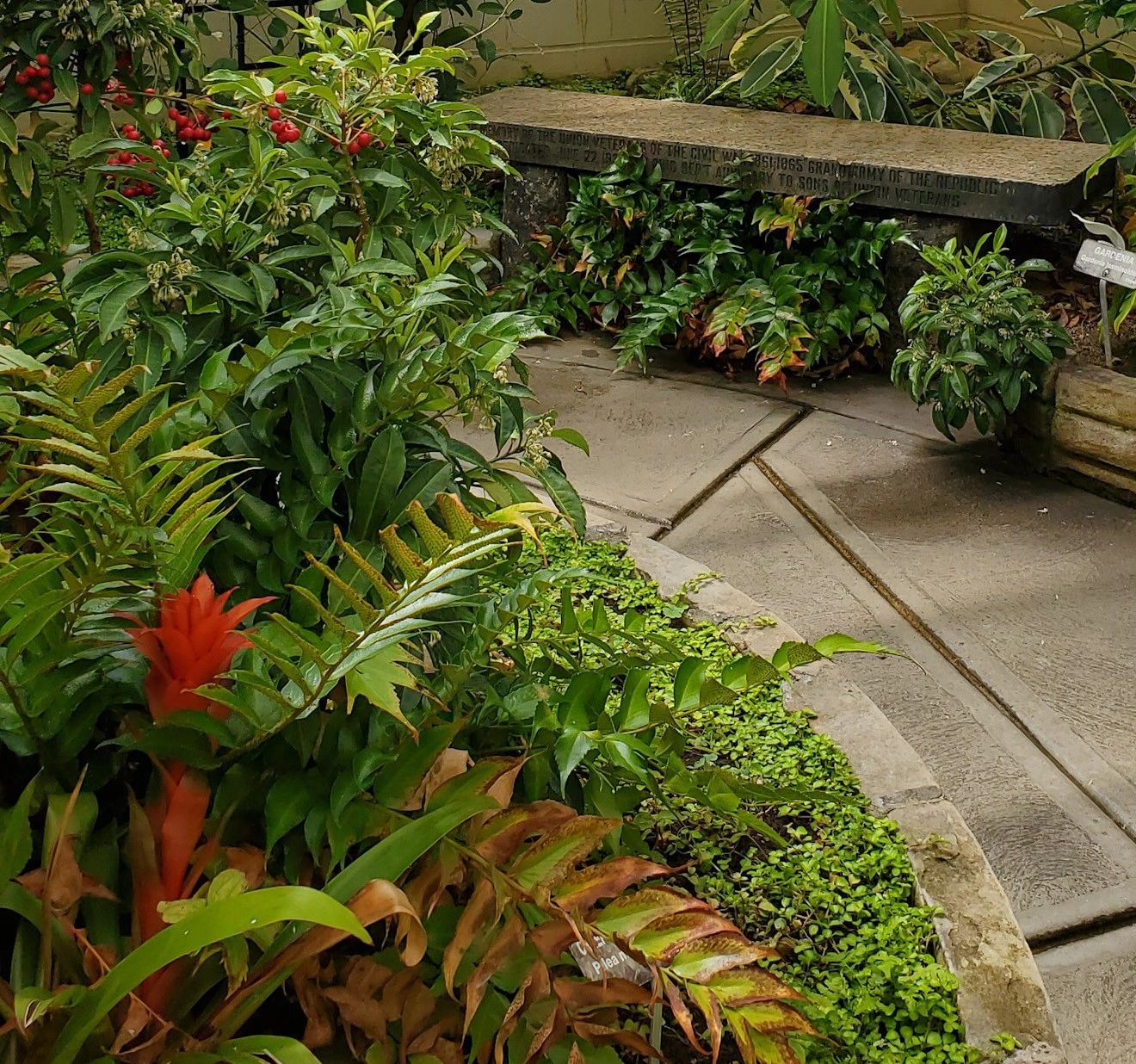
The greenhouse itself is the crown jewel, and it’s free. Let that sink in for a second. In a world where every botanical garden wants twenty bucks just to let you look at a cactus, this place remains open to the public for nothing. It’s a city-run operation, part of the Department of Public Works. Because of that, it doesn't have the polished, corporate "wellness" vibe of some newer conservatories. It feels like a working greenhouse. It smells like damp earth and old pipes.
Inside, you’ll find the permanent collections. There’s a tropical room that will save your sanity in February. When the Cleveland wind is whipping off Lake Erie at 40 miles per hour, standing under a towering palm tree while the humidity frizzes your hair is basically therapy. They have a massive selection of cacti and succulents, some of which look like they belong in a 1950s sci-fi movie.
But the real reason people flock here is the seasonal displays. The Poinsettia Exhibit in December is a local legend. They pack the place with thousands of plants, turning the central showroom into a sea of red and white. Then there’s the spring bulb show. It’s a sensory overload of tulips and hyacinths that hits you the moment you walk through the doors. It’s one of the few places in the city where you can actually see the seasons change before the weather outside catches up.
What Most People Miss: The Cultural Gardens
If you walk out of the greenhouse and head down the road, you hit the Cleveland Cultural Gardens. This is the part of Rockefeller Park & Greenhouse that honestly confuses people who aren't from around here. It’s a series of over 30 distinct gardens, each representing a different nationality or ethnic group that has contributed to Cleveland’s history.
- The Hebrew Garden, with its Star of David layout and sandstone pillars.
- The Italian Garden, which feels like a tiny slice of the Renaissance dropped into the Midwest.
- The Irish Garden, designed in the shape of a Celtic cross.
- The newer additions, like the Ethiopian and Vietnamese gardens, showing that the city’s story is still being written.
It is a bizarrely ambitious project. Think about it: during the height of the World Wars and the Cold War, Cleveland was building gardens to celebrate the heritages of people who were often at each other’s throats back in Europe. It’s a "Peace Through Mutual Understanding" vibe that feels incredibly earnest and maybe a little bit dated, but in a way that’s genuinely moving.
You should walk the chain. Start at the top near the greenhouse and just wander south. You'll see statues of poets, scientists, and revolutionaries. It’s not just about flowers; it’s about the people who built the city. Shakespeare is there. Virgil is there. It’s a heavy-hitter lineup of historical figures carved into stone.
The Struggle of Maintaining a Legacy
Let’s be real for a minute. Rockefeller Park & Greenhouse is a city-run facility. That means it faces the same budget crunches and maintenance hurdles as any other municipal department. You might see some peeling paint on a trellis or a fountain that isn't running exactly when you want it to.
But that’s part of the charm. It isn't a sanitized, Disney-fied version of nature. It’s real. The staff there are incredibly knowledgeable, and they are doing the work of keeping a century-old glass structure functioning. They provide all the plants for the city’s various parks and public squares. If you see a flower bed in Downtown Cleveland, there is a very high chance it started its life in a pot inside the Rockefeller Greenhouse.
There’s also the issue of the "Willows." For years, the weeping willows along Doan Brook were the iconic image of the park. Time and disease have taken their toll on some of the older trees, but the city and various conservancy groups are constantly replanting. It’s a living ecosystem, not a museum.
Practical Stuff You Actually Need to Know
If you’re planning to go, don't just put "Rockefeller Park" into your GPS and hope for the best. The park is huge. You want the Greenhouse specifically, which is located at 750 East 88th Street.
- Hours: They are usually open 10 a.m. to 4 p.m. every single day, including weekends and holidays. Always check the city website though, because sometimes things change for special events or maintenance.
- Parking: There’s a small lot right in front of the greenhouse. It’s free. If it’s full, you can usually find a spot on the side streets, but be smart about it.
- Photography: It is a magnet for wedding and prom photos. If you go on a Saturday in June, expect to dodge a lot of taffeta and suits. If you want a quiet experience, go on a Tuesday morning.
- The Brook: Doan Brook runs through the park. It’s a great spot for birdwatching. You’ll see Great Blue Herons hanging out there more often than you’d think.
One thing people often ask is if it’s safe. Generally, yes, during the day it’s fine. It’s a popular spot for joggers and walkers. Like any urban park, just keep your wits about you and don't leave your laptop sitting on the front seat of your car. Common sense stuff.
Why This Place Still Matters in 2026
In an era where everything is digital and fast-paced, Rockefeller Park & Greenhouse is a slow-motion marvel. It’s a place where you can actually watch a fern unfurl over a week. It’s a connection to the industrial titans who built Cleveland—people like Rockefeller who, for all their faults, understood that a city needs lungs.
It’s also a testament to the immigrant groups who moved here for jobs in the steel mills and stayed to build communities. The Cultural Gardens aren't just pretty; they are a map of the city’s soul. You see the pride of the Polish community, the resilience of the Hungarian garden, and the growing influence of the African American community in the structures they've built there.
Actionable Steps for Your Visit
Don't just walk through the main room and leave. To really "do" Rockefeller Park & Greenhouse right, follow this path:
- Start in the Orchid Room. It’s tucked away but contains some of the most delicate and strange-looking flowers in the collection.
- Check the outdoor gardens. Even in the late fall, the structure of the gardens is fascinating. The "talking" statues in the Cultural Gardens are worth a close look.
- Bring a book. There are benches tucked away in the warmer rooms of the greenhouse. It’s one of the best places in the city to read for an hour without anyone bothering you.
- Walk the Upper Drive. Most people stay on the lower MLK Drive. The upper drive (East Blvd) gives you a better view of the architecture of the surrounding neighborhoods, like Glenville and University Circle.
If you’re a gardener yourself, pay attention to the labels. The staff often grows varieties that are specifically chosen for the Northeast Ohio climate. You can learn a lot about what might actually survive in your own backyard just by looking at what’s thriving in the outdoor test beds.
Rockefeller Park & Greenhouse is a bit of a miracle. It’s a free, high-quality botanical and cultural experience in the middle of a busy city. It’s survived a century of change, and it’s still standing, still blooming, and still waiting for you to pull off the road and take a look inside. Go on a rainy day. The sound of the water hitting the glass roof while you’re surrounded by tropical hibiscus is something you won't forget anytime soon.