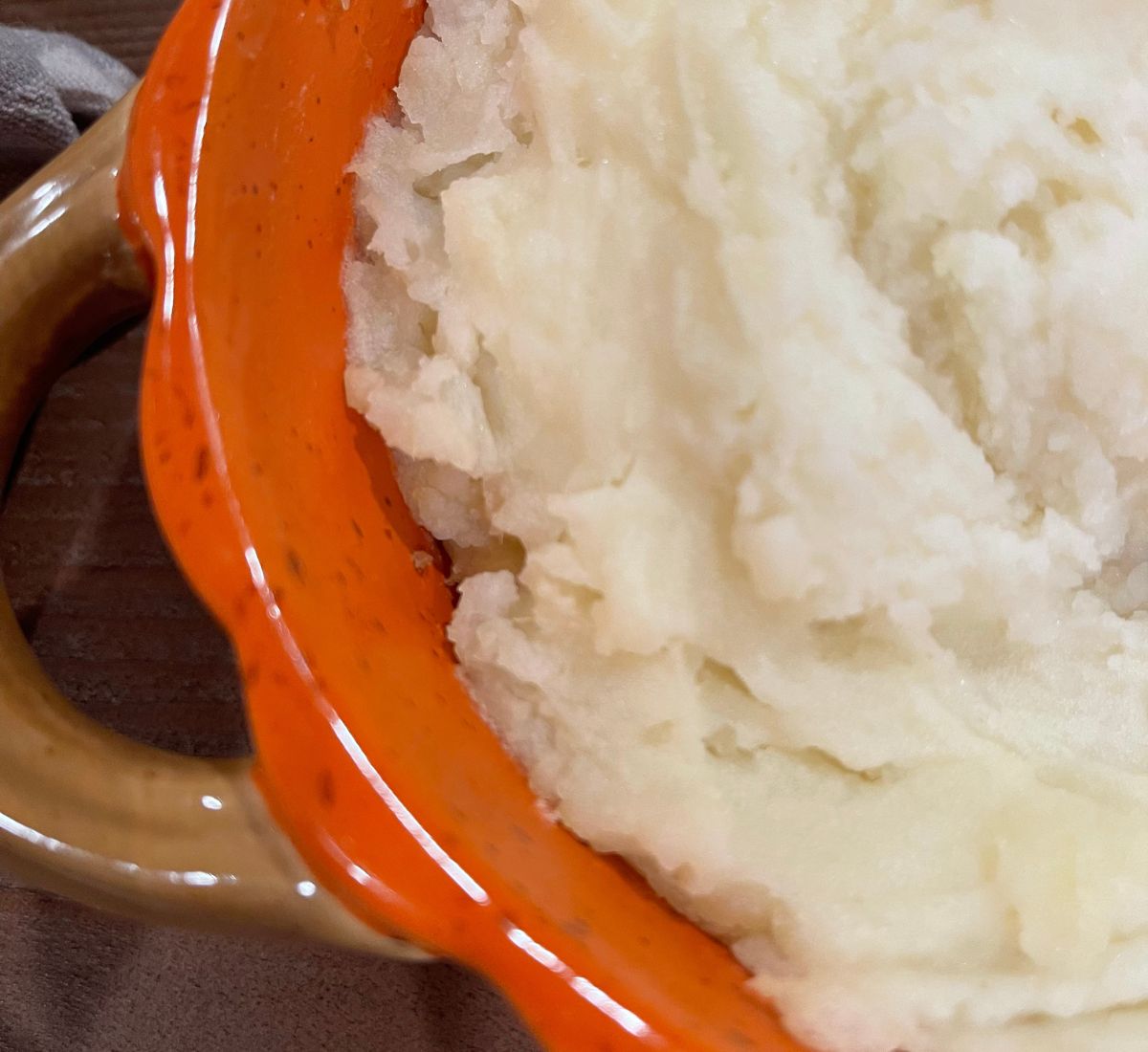
You've been lied to about potatoes. Most people think a potato is just a potato, but if you've ever ended up with a bowl of sticky, translucent glue instead of a fluffy cloud, you know that's a lie. It’s frustrating. You spend forty minutes peeling, boiling, and mashing, only to serve something that looks like wallpaper paste. The culprit isn't usually your technique—it's your chemistry. Specifically, it's the starch.
If you want that classic, steakhouse-style fluff, you need a russet mashed potatoes recipe. Period.
Russets, often called Idaho potatoes, are high-starch, low-moisture tubers. They are the polar opposite of a waxy Red Bliss or a Yukon Gold. While Yukons have their fans because of that built-in buttery flavor, they can get heavy. A Russet? It’s basically a sponge. It wants to absorb whatever fat you throw at it. But if you treat it like a waxy potato, you’re going to have a bad time.
The Science of Why Russets Rule the Mash
Let's get nerdy for a second. Starch granules in potatoes are like tiny balloons. In a russet, these granules are huge. When they hit hot water, they swell and eventually burst. Because the russet has very little "glue" (pectin) holding its cells together, the cells separate easily. This creates that dry, mealy texture that is actually a godsend for mashing.
It’s about surface area.
When those cells separate, they create millions of tiny pockets. When you fold in your warm cream and melted butter, the potato doesn't just sit there; it drinks.
J. Kenji López-Alt, a guy who basically turned food science into an art form at Serious Eats, has spent a lot of time explaining that the enemy of a good mash is "agitation." If you overwork the potato, you break too many of those starch balloons. The starch leaks out, mixes with the water, and turns into a literal adhesive. That’s why you never, ever put a potato in a food processor. Unless you’re trying to fix a hole in your drywall.
Your Russet Mashed Potatoes Recipe Start-to-Finish
Forget the fancy tools for a minute. You need a big pot, a colander, and ideally, a ricer. If you don't have a ricer, a hand masher is fine, but you’ll have to work harder for the results.
The Prep Phase
Start with five pounds of russets. Scrub them. Some people say boil them with the skins on to "preserve flavor." Honestly? It's a pain to peel a piping-hot potato. Peel them first.
Cut them into uniform chunks. This is where most people mess up. If you have big chunks and little chunks, the little ones turn to mush while the big ones stay crunchy in the middle. Aim for roughly 1.5-inch cubes.
Pro tip: Put the cut potatoes into a bowl of cold water as you work. This rinses off the excess surface starch that causes gumminess later.
The Cold Water Start
Never drop potatoes into boiling water. It’s a rookie move. The outside will cook and disintegrate before the inside even gets warm.
- Place your rinsed cubes in a heavy pot.
- Cover with cold water by at least an inch.
- Add salt. A lot of salt. Like, more than you think. The potatoes need to be seasoned from the inside out.
- Bring it to a boil, then drop to a simmer.
You’re looking for "fork-tender." This usually takes 15 to 20 minutes. If the fork slides in and the potato falls apart with zero resistance, you're ready.
The Secret Step Everyone Skips: Drying
This is the most important part of this russet mashed potatoes recipe. Once you drain the potatoes, do not immediately start mashing.
Drain them. Put them back in the hot pot. Turn the heat to low for about sixty seconds. Shake the pot. You’ll see steam billowing out. That’s the moisture leaving. You want those potatoes bone-dry. If there’s water left in the potato, there’s no room for the cream.
Think of it like a sponge. A wet sponge can't pick up a spill. A dry one sucks it right up.
Fat First or Dairy First?
There is a heated debate among chefs about this. Joël Robuchon, the legendary French chef famous for his "Pommes Purée," used a staggering 2:1 ratio of potato to butter. He would incorporate cold butter into hot potatoes first.
Why? Fat coats the starch molecules. By adding butter before the milk or cream, you're effectively waterproofing the starch so it can't bond with the liquid to create glue.
The Ingredient List:
- 5 lbs Russet potatoes
- 1 cup (2 sticks) unsalted butter, cubed and softened
- 1.5 cups heavy cream or whole milk (warm!)
- Salt and white pepper (white pepper keeps the mash looking pristine)
How to Mash Without Destroying the Texture
If you have a ricer, use it. It’s a giant garlic press for potatoes. It pushes the potato through tiny holes, separating the granules without crushing them. It’s the gold standard for a russet mashed potatoes recipe.
If you're using a hand masher, use a vertical motion. Don't "stir" the potatoes with the masher. Mash, lift, mash, lift.
Once the potatoes are broken down, add your butter. Fold it in gently with a rubber spatula. Once the butter is invisible, slowly pour in your warm cream.
Warning: Never add cold cream to hot potatoes. It shocks the starch and ruins the emulsion. Microwave the cream for 45 seconds first. You'll thank me later.
Common Mistakes and How to Pivot
Maybe you're reading this and realizing you already messed up. It happens.
"My potatoes are watery."
You probably didn't dry them enough after boiling. You can try to save them by placing them in a wide skillet over low heat to evaporate the excess moisture, but be careful not to scorch the bottom.
"They're gummy."
You over-mixed. There is no real "fix" for gummy potatoes, but you can hide it. Spread them in a baking dish, top with plenty of shredded cheddar and breadcrumbs, and bake it. Now it's a "casserole," and everyone will love the "cheesy texture."
"They're bland."
Potatoes are vacuum cleaners for salt. If they taste flat, add a pinch more. A tiny splash of apple cider vinegar or a dollop of sour cream can also brighten the flavor if they feel too heavy.
Elevating the Basic Mash
Once you've mastered the basic russet mashed potatoes recipe, you can start playing around.
- Roasted Garlic: Take a whole head of garlic, cut the top off, drizzle with oil, wrap in foil, and bake at 400°F for 40 minutes. Squeeze the softened cloves directly into your mash.
- Infused Cream: Simmer your cream with a few sprigs of rosemary or thyme before straining it into the potatoes.
- The Horseradish Kick: A tablespoon of prepared horseradish adds a sharp bite that cuts through the richness of a prime rib dinner.
Keeping Them Warm
Nothing is worse than cold mashed potatoes. If the rest of dinner isn't ready, don't leave them in the pot on the stove—they’ll burn.
The best trick? A slow cooker on the "warm" setting. Lightly grease the inside with butter, dump the finished potatoes in, and put the lid on. They’ll stay perfect for a couple of hours. If they start to look a little dry, just stir in a splash of warm milk right before serving.
Actionable Next Steps for the Perfect Mash
To move from a home cook to a potato pro, follow these specific technical adjustments on your next attempt:
- Swap your tool: If you currently use a hand mixer, go buy a ricer or a food mill. It is the single biggest upgrade you can make for under $30.
- Temperature check: Use a kitchen thermometer to ensure your cream is around 140°F to 150°F before it touches the potatoes.
- The "Dry Cook" test: Next time you drain your potatoes, watch the steam. Don't stop the "dry cook" phase until the visible steam significantly diminishes and the potatoes look slightly "dusty" on the edges.
- Salt the water properly: Use 1 tablespoon of kosher salt per quart of water. Most people under-salt the boiling liquid, missing the only chance to season the center of the potato cube.
Mastering the russet is about respecting the starch. Keep it dry, keep it warm, and for heaven's sake, keep it away from the blender.