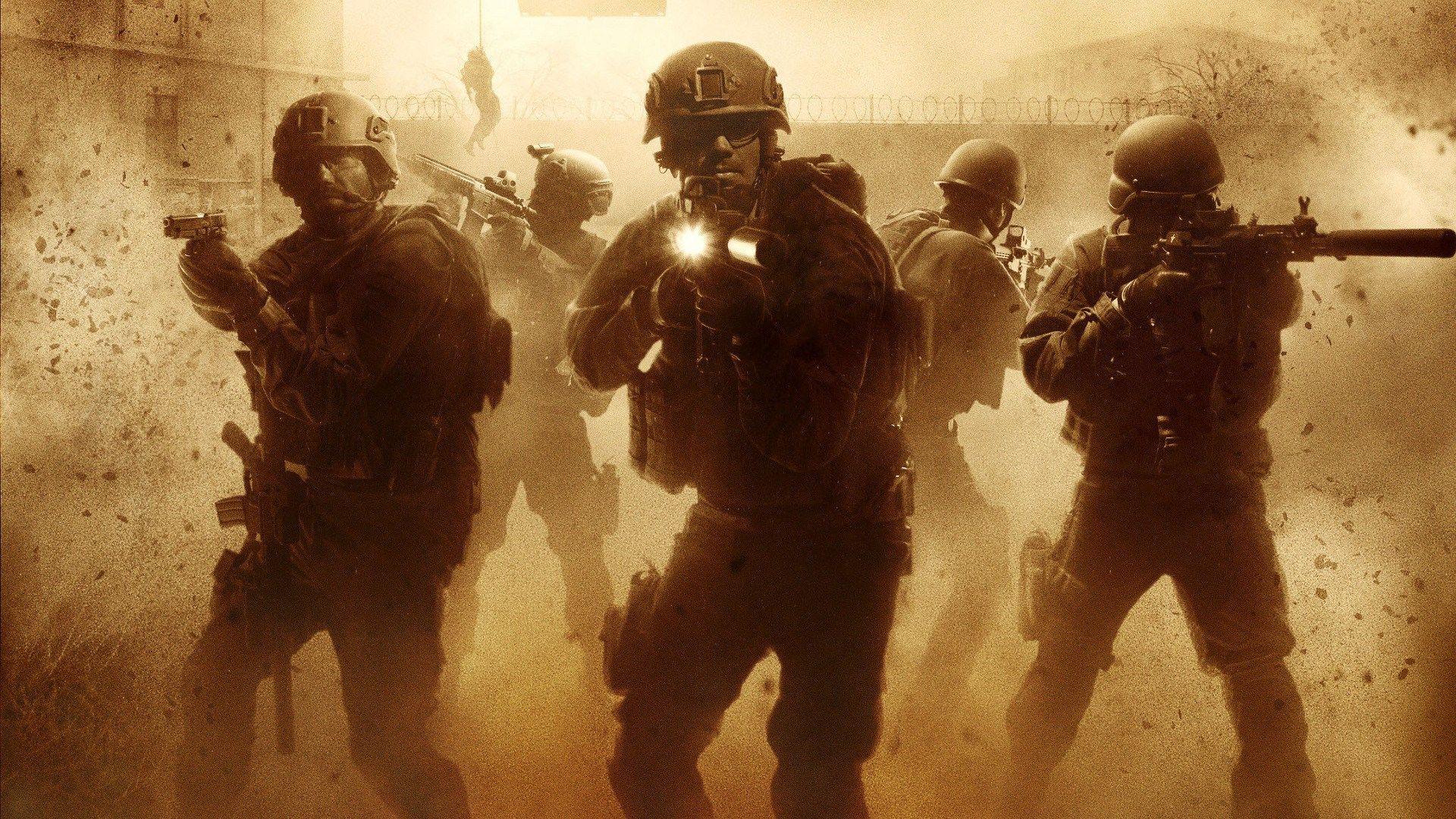
You’ve seen the movies. You know the name. When most people hear "SEAL Team Six," they think of night-vision goggles, silencers, and the bin Laden raid in 2011. It’s basically the gold standard for being a "badass."
But honestly? Most of what’s out there is a mix of Hollywood fluff and outdated Cold War lore. If you actually want to understand what this unit is today—and why it technically hasn’t existed by that name for decades—you have to look past the myths.
What is SEAL Team Six, exactly?
First off, let’s get the naming right. In the official world of the Pentagon, "SEAL Team Six" doesn't exist. It was decommissioned in 1987. Today, the unit is officially known as the Naval Special Warfare Development Group, or DEVGRU.
Why the name change? Kinda boring, actually. It was mostly administrative. But the nickname stuck so hard that even the guys in the unit sometimes use it. Within the world of the Joint Special Operations Command (JSOC), they’re often just called Task Force Blue.
They are what’s known as a "Tier One" unit. That’s a fancy military way of saying they get the most money, the best gear, and the missions that are too sensitive for anyone else. While regular SEAL teams are incredible at what they do, DEVGRU is a specialized scalpel. They focus almost exclusively on counterterrorism, hostage rescue, and "Direct Action"—which is basically a polite way of saying they go in and take people out.
The "Six" was a big lie
Here’s a fun piece of history: the unit’s founder, Richard Marcinko (often called "Rogue Warrior" or "Demo Dick"), was a bit of a maverick. When he was tasked with creating the team in 1980, the Navy only had two SEAL teams.
Marcinko named it SEAL Team Six specifically to mess with Soviet intelligence. He wanted the USSR to think there were at least five other teams running around that they didn't know about. It was a classic Cold War shell game.
How do you actually get in?
You don't just sign up for SEAL Team Six at a recruiting office. You can't even "try out" until you’ve already been a regular Navy SEAL for several years and completed multiple deployments.
The process is called Green Team.
It’s essentially a six-month selection course that makes the original SEAL training (BUD/S) look like a warm-up. They’re looking for more than just physical freaks. They want guys who are mentally stable under insane pressure.
- Shooting: They go through thousands of rounds of ammo. They have to be surgical.
- Parachuting: High-altitude, low-opening (HALO) jumps are bread and butter.
- Diving: Advanced underwater ops that most SEALs never even touch.
- Psychology: This is the big one. They screen for "quiet professionals." If you’re a hothead who wants to be a movie star, you're out.
Only about half of the SEALs who try out for Green Team actually make it. The ones who fail? They just go back to their regular SEAL teams. No shame in it—it’s just that exclusive.
It’s not just one big group
The unit is broken down into squadrons, and they aren't all doing the same thing. Each squadron has a color, and they each have a specific "vibe" or specialty:
- Red Squadron: The "Indians." Known for being aggressive and kinetic.
- Blue Squadron: The "Pirates." Huge focus on maritime operations and ship boarding.
- Gold Squadron: The "Knights." Historically seen as the premier assault group.
- Silver Squadron: The newest assault squadron, formed to handle the massive workload of the 2000s.
- Black Squadron: These are the ghosts. They don't kick down doors. They do "recce" (reconnaissance) and surveillance. They’re often the ones in plain clothes with beards, scouting a target weeks before the shooters arrive.
- Gray Squadron: The "Vikings." They handle the transportation—high-speed boats and specialized vehicles.
More than just the Bin Laden Raid
Everyone knows about Operation Neptune Spear in Pakistan. But the unit’s history is full of missions that were arguably more difficult, just less famous.
- The Maersk Alabama: In 2009, Somali pirates took Captain Richard Phillips hostage. DEVGRU snipers sat on the fantail of a moving Navy ship, in rolling seas, and took three simultaneous headshots at night to save him. That is basically impossible for anyone else.
- The Rescue of Jessica Buchanan: In 2012, operators parachuted into Somalia in the middle of the night to rescue an American aid worker being held by kidnappers. They killed all nine kidnappers and flew her out without losing a single man.
- The 2019 North Korea Mission: Reports surfaced recently about a top-secret mission where SEALs allegedly deployed from a submarine to plant listening devices near North Korean sites. It didn't involve a shootout, but the stakes were arguably higher than a gunfight.
The "Dark" side of the unit
It hasn't all been heroics. Because the unit operates in total secrecy with almost unlimited funding, they’ve run into trouble.
Founder Richard Marcinko eventually went to prison for conspiracy related to kickbacks on military contracts. More recently, there have been reports of "warrior culture" gone wrong—issues with "rowdy" behavior, questionable kills in the field, and even internal friction over who got credit for the bin Laden shot.
Expert and former operator Brad Geary has spoken openly about the "dark consequences" of this kind of work. When you spend twenty years hunting people in the dark, it changes you. The unit has struggled with high suicide rates and TBI (traumatic brain injury) from the sheer number of explosions and "breaching" they do.
Why they still matter in 2026
The world has shifted. We aren't in the "Global War on Terror" era anymore. Now, it’s about "Great Power Competition."
The Navy is refocusing DEVGRU on things like sabotaging enemy ports, protecting undersea cables, and operating in the "gray zone" between peace and war. They aren't just counter-terrorists anymore; they are a strategic tool for the U.S. to use against sophisticated adversaries.
What to do if you're interested in learning more:
If you're a civilian, you're obviously not going to see their current mission logs. But you can get a better feel for the reality by checking out these specific resources:
- Read "Rogue Warrior" by Richard Marcinko: Take it with a grain of salt (he’s a storyteller), but it captures the early "cowboy" days of the unit.
- Look into the "Holloway Report": This is the unclassified document that explains why the U.S. realized it needed a unit like SEAL Team Six after the failure of the Iran hostage rescue (Operation Eagle Claw).
- Follow Naval Special Warfare Command updates: They won't give you secrets, but they show the direction the "regular" teams are moving, which usually mirrors what DEVGRU is doing a year or two ahead.
Basically, SEAL Team Six is a group of very human men doing a very inhuman job. They aren't superheroes—they're just the result of millions of dollars in training and a refusal to quit.
Next Steps for Research:
If you want to understand the other side of Tier One operations, you should look into Delta Force (the Army's version). While SEAL Team Six gets the movies, Delta is often considered more "intellectual" in their approach to special ops. Comparing the two is the best way to see how the U.S. handles its most dangerous work.