You’ve probably seen it in a grainy history textbook or, unfortunately, on a dark corner of the internet. Two jagged, lightning-bolt-shaped letters. It’s a mark that immediately chills the room. But when people ask "what is an ss symbol," they aren't just looking for a graphic design breakdown. They’re looking for the weight of history.
It’s heavy.
Essentially, the symbol represents the Schutzstaffel. That was the elite paramilitary wing of the Nazi Party. Led by Heinrich Himmler, this group evolved from a small unit of bodyguards for Adolf Hitler into a massive, terrifying organization that ran the concentration camps and the Gestapo. They weren't just soldiers; they were the ideological enforcers of the Third Reich.
The symbol itself is technically called the Siegrune. It’s a stylized version of a rune from the ancient Germanic alphabet. But don't let the "ancient history" bit fool you. In the 1930s, the Nazis hijacked these old symbols to create a fake sense of mystical destiny. They wanted to link their modern violence to a warrior past that never really existed the way they claimed.
The Origin of the Lightning Bolts
Runes are old. Very old. Long before the Nazis existed, the "S" rune—known as Sowilo or Sig—represented the sun. It was a positive thing. Ancient people used it to symbolize warmth, light, and victory.
Then came Walter Heck.
In 1929, Heck, a graphic designer who worked for the badge-making firm Ferdinand Wiedmann, drew two Sig runes side-by-side. He liked the way they looked. He thought they looked like lightning. He sold the design to the SS for a measly 2.50 Reichsmarks. That’s basically the price of a cheap lunch today. It’s wild to think that one of the most hated logos in human history was bought for pocket change by a guy looking to make a quick buck.
By 1933, the double-bolt was everywhere in Germany. It appeared on collars, helmets, and flags. It wasn't just a logo; it was a brand of terror.
It’s Not Just One Symbol
When we talk about the SS, we usually think of the bolts. But the organization used a whole "alphabet" of symbols to denote different things. They were obsessed with occultism and pseudo-history.
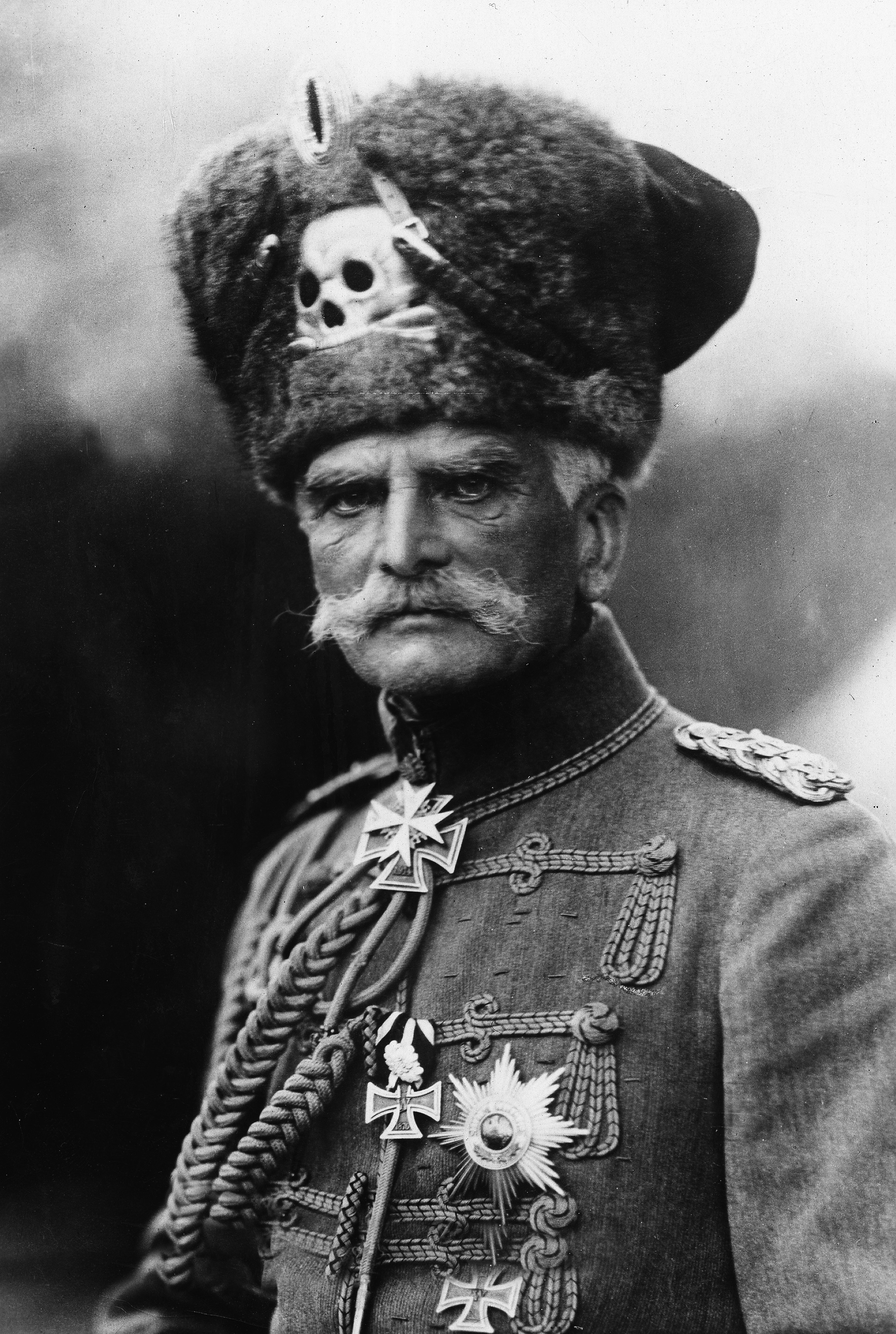
For example, you might see the Totenkopf. That’s the "Death’s Head" or skull and crossbones. Unlike the pirate flag, the SS version was meant to signal total loyalty until death. Then there’s the Wolfsangel, which looks like a hooked cross or a jagged "Z." Various divisions of the Waffen-SS used these distinct markings to set themselves apart as the "elite" of the elite.
It was a branding exercise in the most horrific sense. They wanted to look sharp, modern, and ancient all at once. Hugo Boss (yes, that Hugo Boss) manufactured the uniforms, though he didn't design them. The goal was intimidation through aesthetics.
Why You Can’t Use it in Germany Today
If you go to Berlin and start spray-painting an SS symbol, you’re going to jail. Quickly.
Germany has some of the strictest laws in the world regarding what they call Strafgesetzbuch section 86a. This law bans the use of symbols of unconstitutional organizations. This includes swastikas, SS runes, and even certain Nazi slogans.
It’s not just about being "offended." For Germany, this is a matter of national security and public peace. They view these symbols as active threats to democracy.
Interestingly, this creates some weird situations in pop culture. In the past, video games like Wolfenstein or Call of Duty had to be edited for the German market. The SS symbols were replaced with generic triangles or other shapes so the games could be sold legally. While laws have softened slightly to allow for "artistic or historical" context in games, the taboo remains incredibly strong.
The Modern Resurgence and Neo-Nazi Use
Sadly, the symbol didn't die in 1945.
Today, white supremacist groups and neo-Nazis still use the SS runes. Sometimes they use them openly to signal their beliefs. Other times, they use "dog whistles." This might mean using the number "88" (H is the 8th letter of the alphabet, so 88 stands for "Heil Hitler") or using rune-adjacent imagery that looks just enough like the SS symbol to be recognizable to insiders but vague enough to avoid a ban on social media.
You’ll see it in prison gangs, particularly the Aryan Brotherhood. You’ll see it in certain "outlaw" biker subcultures, though some bikers claim they use it just to shock people rather than as a political statement. Honestly, that excuse is getting pretty thin these days.
The Anti-Defamation League (ADL) maintains a huge database of these symbols because they keep evolving. The hate hasn't changed, but the packaging sometimes does.
Misunderstandings and Accidental Use
Sometimes, people mess up. Because the SS symbol looks like lightning bolts, it occasionally pops up in places where it definitely wasn't intended to be hateful.
Take KISS, for example. The rock band’s logo has two "S"s that look a lot like the SS runes. In Germany, the band actually has to use a different logo where the "S"s are rounded off to avoid legal trouble. Gene Simmons, who is Jewish and whose mother survived the Holocaust, has always maintained it was just a stylistic choice. But the resemblance is undeniable.
Then there was the "S" on the uniforms of the US Marine Corps Scout Snipers. For years, some units used a blue flag with "SS" in the rune style. In 2012, a photo of a platoon posing with this flag in Afghanistan went viral. The Marine Corps had to issue a massive apology and ban the symbol, stating that the soldiers likely didn't understand the historical context and just thought "SS" stood for "Scout Sniper."
It’s a reminder that symbols carry history whether you know that history or not.
What to do if you encounter the symbol
If you see this symbol in a historical museum or a documentary, it’s there to teach. Context matters. We need to see it to understand how propaganda works.
But if you see it on a piece of jewelry, a tattoo, or a social media profile, it’s a massive red flag.
In most modern contexts, the SS symbol is a statement of white supremacy. There is no "neutral" way to wear it. It isn't just a cool lightning bolt. It is a direct reference to a regime that murdered millions of people.
Actionable Takeaways for Recognizing Hate Symbols
- Check the context. Is the symbol being used in an educational setting (museum, textbook)? Or is it being used as a personal identifier (tattoo, sticker, social media bio)?
- Look for companion symbols. The SS runes rarely travel alone. They are often paired with the number 14, the number 88, or the "Celtic Cross" (a cross inside a circle).
- Consult reliable databases. If you're unsure if a symbol is a hate sign, check the ADL Hate Symbols Database or the Southern Poverty Law Center (SPLC) resources. These groups track how extremist iconography evolves.
- Report, don't engage. On platforms like Instagram, X, or TikTok, most hate symbols violate "Harmful Content" policies. Use the report button rather than arguing in the comments, which often just boosts the post's reach in the algorithm.
- Educate others gently. If you see a teenager using the symbol because they think it's "edgy" or looks like a superhero logo, explain the history. Many people, especially younger generations, truly don't know the specific atrocities linked to the Schutzstaffel.
Understanding the SS symbol isn't just about trivia. It’s about recognizing the visual language of extremism so we can stop it from blending into the background of everyday life. History isn't just in books; it's written in the marks people choose to carry.