You’re standing in the heart of Salzburg, the Altstadt. Most people are staring up at the Hohensalzburg Fortress or looking for a Mozart-themed chocolate shop. But right there, tucked into the stone cliffs of the Mönchsberg, is a door. If you walk through it, you aren't just entering a dining room. You're entering a timeline that stretches back to 803 AD. That’s not a typo. St Peter Stiftskulinarium is widely cited as the oldest restaurant in Europe—and possibly the world—thanks to a mention by Alcuin of York, a scholar in Charlemagne’s court.
Honestly, the sheer age of the place is a bit dizzying.
Think about that for a second. This restaurant was serving food before the Norman Conquest of England. It survived the Black Death. It was there when Mozart was a local kid running around the streets of Salzburg. It’s been through empires, world wars, and the rise of TikTok food influencers. But the real question is whether it’s actually good, or if it’s just a very expensive museum that happens to serve schnitzel.
The Reality of Dining at St Peter Stiftskulinarium
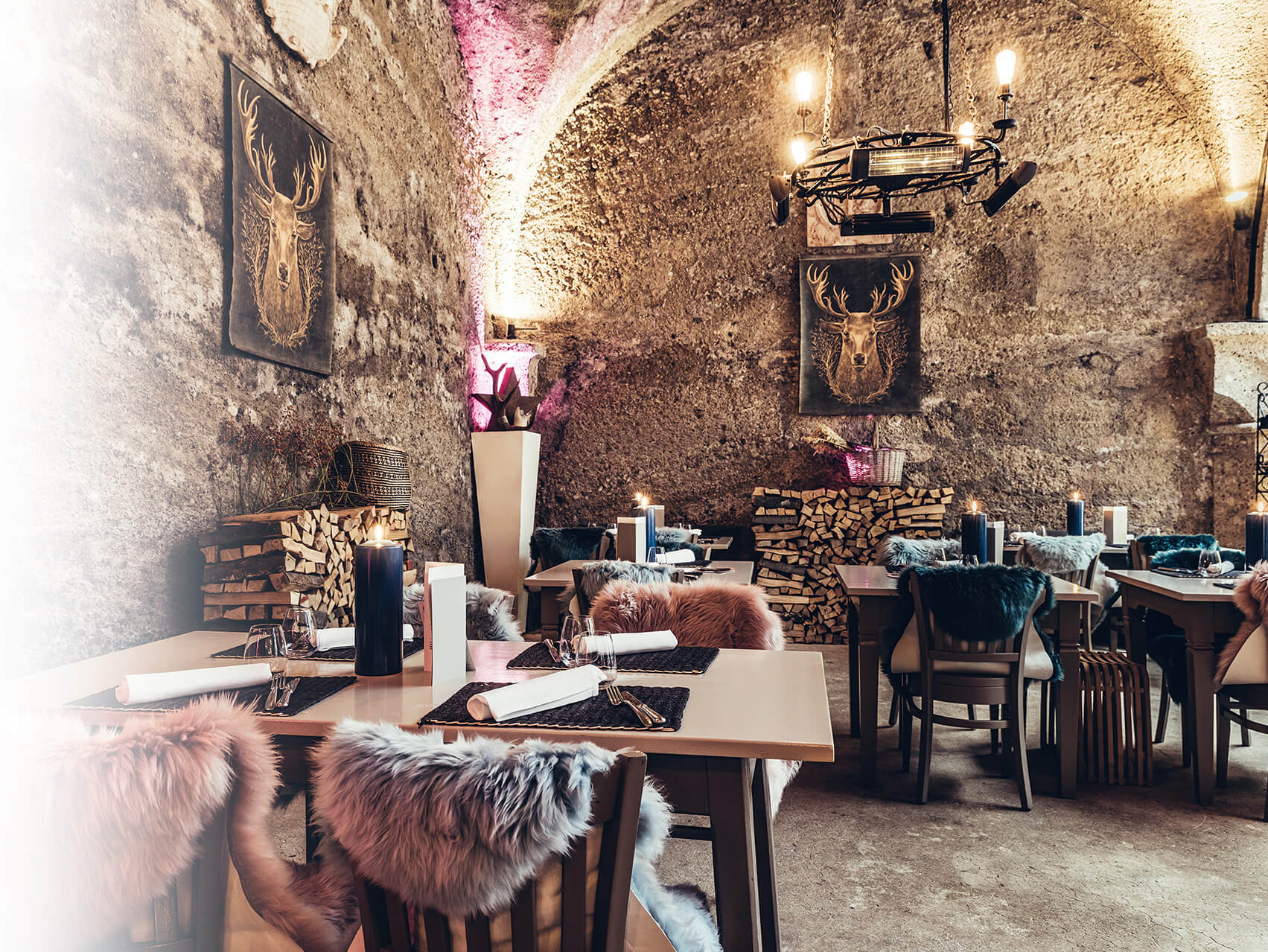
Walking into the courtyard, the atmosphere hits you first. It feels ancient. It looks like a movie set. The restaurant is built directly into the rock of the mountain, and the various rooms—there are eleven of them—range from the cozy, wood-paneled "Prälatenzimmer" to the grand "Barocksaal."
People get confused about the name. You’ll hear locals call it "St. Peter Stiftskeller," but they rebranded to "St Peter Stiftskulinarium" a few years back to signal that they’re doing more than just traditional tavern food. It was a smart move. If they had stayed a dusty old cellar, they might have faded into a tourist trap. Instead, they’ve leaned into a mix of high-end fine dining and historical spectacle.
The food isn't just "Austrian." Sure, you can get a Wiener Schnitzel, and it’s excellent—fried in clarified butter until the breading puffs up like a golden cloud. But the chefs here, currently led by a team that understands modern aesthetics, are doing more complex things. They play with Mediterranean influences. You might see a dish of Alpine char served with unexpected citrus notes or a beet tartare that looks more like a piece of modern art than a side dish.
Why the Mozart Dinner Concert is Polarizing
Let's talk about the elephant in the room: the Mozart Dinner Concert.
If you search for the St Peter Stiftskulinarium, this is what usually pops up first. It takes place in the Baroque Hall. You get a three-course meal based on historical recipes—like a lemon soup that supposedly mirrors what was popular in the 18th century—while opera singers and musicians perform Mozart’s greatest hits in period costumes.
Is it "touristy"? Yes. Absolutely.
Is it worth it? That depends on who you are. If you’re a music history buff or you want that "only in Salzburg" experience, it’s actually quite charming. The candles are flickering, the acoustics of the hall are surprisingly tight, and the performers are usually top-tier talent from the Mozarteum University. But if you’re a hardcore foodie who hates being interrupted by a soprano while you’re trying to eat your capon, you’re better off booking a table in one of the other rooms like the "Richard Löwenherz" room.
The History That Isn't Just Marketing
It's easy to be cynical about "oldest" claims. Often, these are marketing gimmicks. But at St. Peter, the history is literally written into the walls. The monastery of St. Peter, which owns the site, was founded by Saint Rupert around 696. The restaurant itself grew out of the monastery's guest house and wine cellar.
The list of famous diners is basically a history textbook. Christopher Columbus? Supposedly ate here. Haydn? Definitely. Mozart? His family was tight with the monks. Even Faust (the real one, not the play character) is rumored to have made an appearance.
What’s fascinating is how the space adapts. In the summer, the inner courtyard is one of the most beautiful spots in Europe. It's covered in greenery, with stone arches and the sound of bells from the nearby abbey. In the winter, it turns into a "Christmas Wonderland" with elaborate lights and trees. They know how to play the "vibe" game better than almost anyone else in Salzburg.
Navigating the Menu Without Getting Lost
If you sit down and just order the first thing you see, you might miss the point. The menu is divided, sort of. You have the "Kulinarium" side which is more experimental and pricey, and then you have the more accessible Austrian classics.
- The Salzburger Nockerl: You cannot leave without ordering this. It’s a souffle-like dessert made of egg whites and sugar, baked to represent the three hills surrounding Salzburg (Mönchsberg, Kapuzinerberg, and Gaisberg). It’s massive. Don't try to eat it alone. It’s airy, sweet, and usually sits on a bed of tart lingonberries.
- The Wine List: This is where the "Stifts" (monastery) part matters. They have an incredible cellar. Some of the wines come from their own vineyards or those associated with the church. If you like Riesling or Grüner Veltliner, you’re in the right place.
- The Bread: Don’t skip the bread basket. It sounds basic, but the sourdough traditions in this part of Austria are intense.
Honestly, the pricing is what you’d expect for a place this famous. It’s not cheap. You’re paying for the 1,200 years of history and the prime real estate. But unlike some other historic landmarks in Europe where the food is an afterthought, the quality here generally keeps pace with the price tag.
Misconceptions About the "Oldest" Label
One thing most people get wrong is thinking the restaurant has been in the exact same layout for twelve centuries. Obviously, that’s not true. Fire, renovations, and the changing needs of the monks meant the rooms were expanded and redesigned. The Baroque Hall, for instance, reflects the 17th and 18th-century tastes.
Also, don't assume it's just for old people or tourists. On any given Friday night, you’ll see local business owners having a meeting in one corner and a young couple on a date in another. It’s a "prestige" spot for Salzburgers too.
Practical Insights for Your Visit
If you're planning to go, don't just show up. Especially in the summer during the Salzburg Festival or in December during the Christmas markets, you need a reservation weeks in advance.
- Dress the part. You don't need a tuxedo, but maybe leave the cargo shorts and flip-flops at the hotel. It’s a classy joint. A nice shirt or a summer dress will make you feel much more comfortable in the Baroque settings.
- Explore the rooms. If you arrive early, ask if you can peek into some of the empty dining rooms. Each one has a different architectural vibe. The "Petrus" room is more modern, while the "Bürgerstube" feels like a classic mountain lodge.
- Timing is everything. If you want a quiet experience, lunch is usually much more relaxed than dinner. You can sit in the courtyard, have a glass of wine and some charcuterie, and just soak in the stone walls without the frantic energy of the evening rush.
- Check the abbey first. The restaurant is right next to the St. Peter’s Abbey cemetery (one of the most beautiful graveyards in the world) and the catacombs. Go there before your meal. It sets the mood. Seeing the early Christian caves carved into the rock makes the restaurant's age feel much more tangible.
Is It a Tourist Trap?
The short answer is no. A tourist trap is somewhere that offers low-quality service and food because they know you’ll never come back. St Peter Stiftskulinarium operates on a different level. They have a reputation to protect that spans a millennium. While it is certainly a major tourist destination, the level of culinary skill and the sheer historical weight of the architecture make it a legitimate destination for anyone interested in culture and gastronomy.
It's one of those rare places where the hype is actually grounded in something real. Even if you aren't a history nerd, the sheer "cool factor" of eating dinner in a room that was carved out of a mountain before the Crusades started is hard to beat.
Actionable Next Steps for Your Salzburg Trip
- Book through their official website rather than third-party booking platforms to ensure you can request a specific room.
- Check the performance schedule if you want the Mozart dinner; these sell out much faster than regular tables and usually have a fixed start time around 7:30 PM.
- Walk through the St. Peter’s Cemetery (Petersfriedhof) immediately before your reservation to see the "Margarethenkapelle" and get a sense of the scale of the monastery complex.
- Budget for a three-course meal plus wine, which in 2026 typically runs between €80 and €150 per person depending on your wine choices and whether you opt for the fine-dining menu.