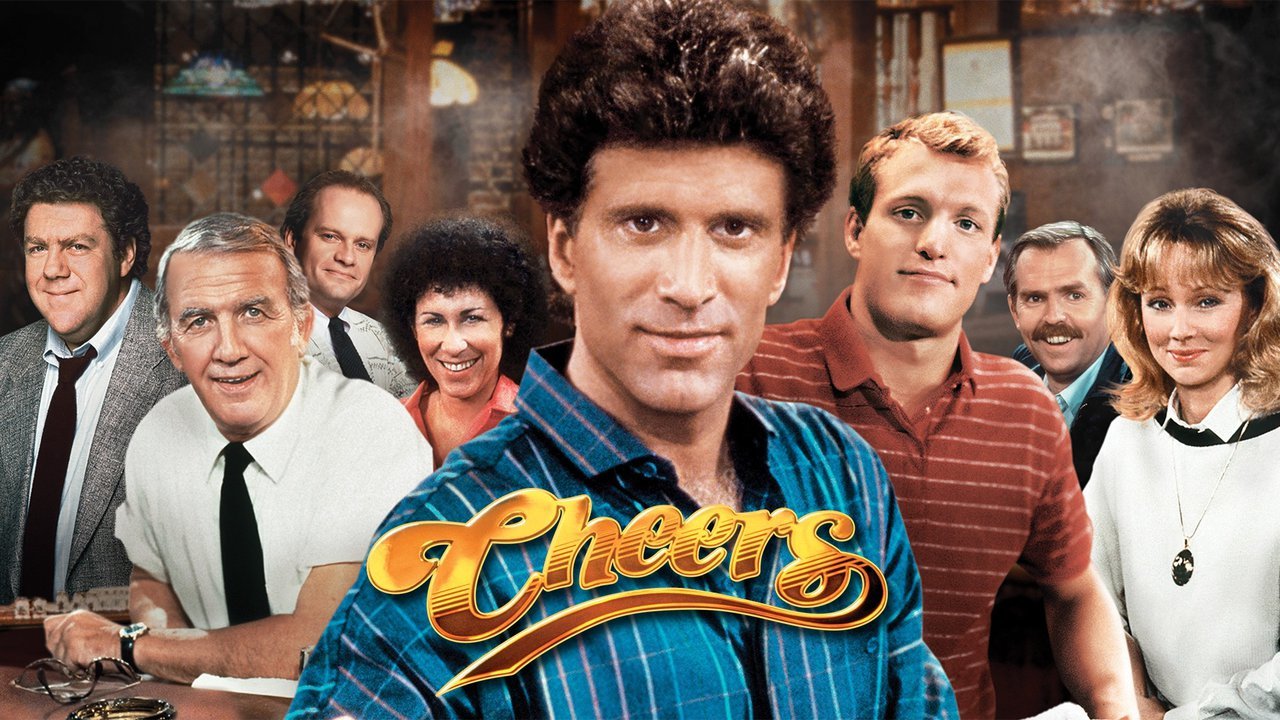
Walk into any bar in America and there’s a decent chance someone is humming that theme song. You know the one. It’s been over forty years since a group of relatively unknown actors stepped onto a soundstage at Paramount Studios, yet the cast of cheers tv series remains the gold standard for ensemble television. Honestly, it shouldn't have worked. The show was nearly canceled after its first season because nobody was watching. It was dead last in the ratings.
But then something shifted.
The chemistry between a recovering alcoholic relief pitcher and a high-brow academic dropout became the heartbeat of NBC. We didn't just watch for the jokes; we watched because these people felt like the friends we wished we had—or the ones we were stuck with. From the legendary barbs thrown by Carla Tortelli to the bewildered innocence of Woody Boyd, the casting was lightning in a bottle. Let’s get into the grit of how this group actually came together and why some of them almost never made it behind the bar.
The Ted Danson and Shelley Long Gamble
Before he was Sam Malone, Ted Danson was doing commercials for Aramis cologne. He wasn't a "sitcom guy." In fact, the creators—Glen and Les Charles and James Burrows—initially imagined Sam as a former football player. They even considered Fred Dryer for the role. But when Danson walked in, his chemistry with Shelley Long was undeniable. It was sharp. It was painful. It was perfect.
Shelley Long was already a bit of a rising star, but her portrayal of Diane Chambers was a tightrope walk. If she was too snobby, we’d hate her. If she was too soft, Sam would steamroll her. Long played Diane with a frantic, intellectual desperation that made her the perfect foil for the blue-collar barflies.
Their "will-they-won't-they" dynamic practically invented the modern sitcom trope. However, behind the scenes, the energy was different. It’s no secret now that Long’s acting style—heavy on preparation and specific choices—sometimes clashed with the more loose, improvisational feel of the rest of the cast. When she left in 1987, everyone thought the show was over. You can't just remove half of the main engine and expect the car to keep driving, right?
Losing Coach and Finding Woody
The soul of the early seasons was Nicholas Colasanto as "Coach" Ernie Pantusso. He wasn't playing a character so much as he was embodying a specific kind of sweet, confused uncle. Colasanto’s health was failing during the third season, and his passing in 1985 left a massive void. The cast of cheers tv series didn't just lose a co-star; they lost their grounding element.
Enter Woody Harrelson.
Imagine being a 23-year-old kid from Ohio stepping into the most popular show on TV to replace a beloved legend. Harrelson didn't try to imitate Coach. Instead, he brought a "farm boy in the big city" energy that gave the show a second life. He was naive, but he wasn't stupid. Well, maybe a little. But he had a heart that kept the bar from becoming too cynical. It’s wild to think that Harrelson was actually a last-minute find; he almost missed the audition entirely.
The Supporting Pillars: Norm and Cliff
You can't talk about the cast without the two guys who literally never left their seats. George Wendt (Norm Peterson) and John Ratzenberger (Cliff Clavin) represent the most successful "happy accidents" in casting history.
- George Wendt: Originally, Norm was just supposed to be a guy with one line in the pilot. He was "the guy who drinks." But the audience's reaction to him was so visceral that the writers started giving him more. Soon, the "NORM!" shout became a cultural phenomenon.
- John Ratzenberger: This is the best story in the bunch. Ratzenberger actually auditioned for a different role and didn't get it. As he was leaving, he asked the producers if they had a "bar know-it-all." He did a quick improv of a guy who thinks he’s an expert on everything, and Cliff Clavin was born on the spot.
The Kirstie Alley Pivot
When Shelley Long left, the producers made a genius move: they didn't try to find another Diane. They found Rebecca Howe.
Kirstie Alley changed the show's DNA. While Diane was the intellectual superior who looked down on the bar, Rebecca was the corporate climber who was secretly a total disaster. She was neurotic, she cried a lot, and she desperately wanted to be rich. This allowed Sam Malone to transition from a suave ladies' man to a slightly aging guy trying to figure out his place in a changing world.
Alley’s arrival shifted Cheers from a romantic comedy to a true ensemble show. The focus moved away from just the lead couple and spread across the entire room. This is why the show lasted 11 seasons. It evolved. It wasn't afraid to get older.
Frasier Crane: The Character That Refused to Leave
Kelsey Grammer was originally signed for only a six-episode arc. He was supposed to be a temporary obstacle for Sam and Diane. But Grammer’s delivery—that booming, mid-Atlantic theatricality—was too good to let go.
He became the resident intellectual once Diane left, but with a twist. Frasier was arrogant but also deeply pathetic in a way that made him lovable. It’s rare for a spin-off to match the quality of the original, but the fact that Frasier went on to run for another 11 seasons is a testament to what Grammer brought to the cast of cheers tv series. He added a layer of sophisticated absurdity that the show lacked in its early, grit-heavy years.
Carla Tortelli: The Sharpest Tongue in Boston
Rhea Perlman won four Emmys for playing Carla, and honestly, she deserved more. Carla was the antidote to the "sitcom mom" trope of the 80s. She was mean. She was superstitious. She had too many kids and not enough patience.
Perlman’s chemistry with Danny DeVito (her real-life husband at the time) even spilled over into the show occasionally when he guest-starred. Carla gave the show its edge. Without her, Cheers might have been too sugary. She was the vinegar that made the whole drink work.
Behind the Scenes: A Cast That Actually Liked Each Other?
You hear horror stories about 80s sets. Drugs, egos, people refusing to leave their trailers. Cheers was famously the opposite. They had a ritual: before every taping, the entire cast would huddle in a circle. It wasn't just a "good luck" thing; it was a genuine moment of connection.
This sense of community is why the finale in 1993 felt like a funeral for a real place. When Sam Malone straightened the picture of Geronimo and said, "Sorry, we're closed," it wasn't just a line. It was the end of a decade-long experiment in how to build a family out of strangers.
What You Can Learn from the Cheers Casting Model
If you’re looking at why this specific group of people worked so well, it comes down to a few key principles of ensemble building that still apply today, whether you’re casting a show or building a business team.
1. Hire for Contrast, Not Sameness
The show worked because everyone had a distinct "lane." You had the jock (Sam), the snob (Diane), the sourpuss (Carla), the average Joe (Norm), and the blowhard (Cliff). They didn't overlap.
2. Leave Room for Growth
Characters like Frasier and Woody weren't part of the original blueprint. The creators were smart enough to recognize when a guest star had "it" and were willing to rewrite their entire plan to keep them.
3. Chemistry is Unpredictable
You can't manufacture the way Ted Danson looked at Shelley Long or the way George Wendt played off John Ratzenberger. It’s about putting talented people in a room and getting out of their way.
4. Know When to Walk Away
The show ended while it was still number one. Most shows wait until they're a shell of themselves. The cast of cheers tv series went out at the top, which is why their legacy remains untarnished.
To really appreciate the craft here, go back and watch the pilot episode, "Give Me a Ring Sometime." Notice how little has changed between that first hour and the final episode 275 segments later. The bar looks the same. The jackets are a bit bigger, and the hair has more hairspray, but the core—that specific, messy, beautiful human connection—is exactly where it started.
If you want to dive deeper into the history of the show, check out the book Cheers: The Complete History or listen to the various oral histories provided by the Archive of American Television. You’ll find that the real magic wasn't in the scripts alone, but in the people who brought them to life.
Stop by a local pub this week. Sit at the bar. Don't look at your phone. Just listen to the people around you. You’ll probably realize that there’s a Norm and a Cliff in every town in the world. That’s why we’re still talking about this cast today. They didn't play characters; they played us.