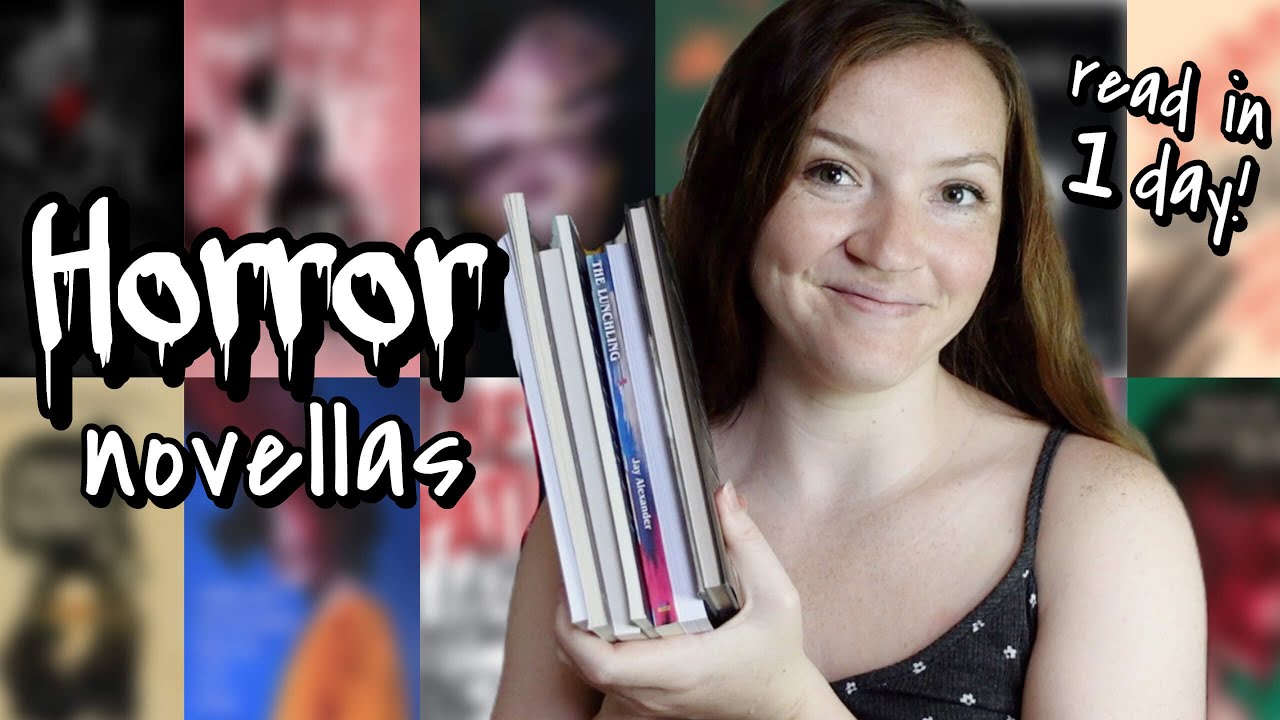
Size matters, but usually not in the way people think. Most readers feel like they have to tackle a 700-page doorstop to actually "experience" literature, but honestly, that’s just not true. Some of the most devastating, life-altering stories ever written are actually quite short. I’m talking about the sweet spot between a short story and a full-blown novel. We call them novellas. They’re usually between 20,000 and 50,000 words. You can finish one on a rainy Sunday afternoon, yet the weight of them stays with you for decades.
The greatest novellas of all time don't waste your time with "world-building" fluff or subplots that go nowhere. They are surgical. Every sentence is a load-bearing wall. If you take one out, the whole thing collapses.
What Makes a Novella "Great" Anyway?
It’s not just the word count. A great novella feels like a pressure cooker. Because the author doesn't have 400 pages to meander through a character's childhood, they have to trap you in a specific moment or a specific crisis. Think about The Old Man and the Sea. Ernest Hemingway basically saved his career with that book in 1952. He was being written off as "washed up" by critics like Philip Young, and then he dropped this lean, muscular story about a fisherman and a marlin. It’s barely 100 pages. But it’s not just about a fish. It’s about the human condition, endurance, and the fact that "a man can be destroyed but not defeated."
That’s the hallmark of this format. It takes a singular, microscopic focus and expands it until it feels universal.
The Classics That Everyone Actually Reads
People often lie about reading Ulysses, but they actually do read Of Mice and Men. John Steinbeck’s 1937 masterpiece is one of the greatest novellas of all time because it is profoundly simple. You have George and Lennie. You have a dream of a little farm. You have a world that is too cruel to let that dream live. Steinbeck originally wrote it as a "play-novelette," intending it to be performed as much as read. This is why the prose is so visual and the dialogue so tight. It doesn't need a map or a family tree in the front of the book. It just needs a heart, which it promptly breaks.
Then you have Kafka. The Metamorphosis (1915) is arguably the most famous novella ever. Gregor Samsa wakes up as a giant bug. It’s weird. It’s gross. It’s hilarious in a dark, "I hate my job" kind of way. What most people get wrong about Kafka is thinking he’s just being surreal for the sake of it. He isn't. He’s describing the feeling of being a burden to your family and the crushing weight of modern capitalism. When Gregor realizes he can't go to work because he has too many legs, his first thought isn't "Oh my god, I'm a beetle," it’s "My boss is going to be so mad." That’s the genius. It’s relatable, even when it’s impossible.
The Darker Side of the List
If we are being honest, a lot of the best short fiction is pretty bleak. Take Heart of Darkness by Joseph Conrad. It’s barely 38,000 words long. Published in 1899, it’s the basis for Apocalypse Now. It’s a grueling journey up the Congo River, but the real journey is into the "darkness" of the human soul. It's a difficult read—Conrad’s English is dense, and his views reflect the colonial era he lived in—but the way he captures the atmosphere of dread is unmatched.
- The Turn of the Screw by Henry James: Is it a ghost story or is the governess just losing her mind? This is the ultimate "unreliable narrator" novella.
- Ethan Frome by Edith Wharton: A brutal, snowy tragedy that proves Wharton could write about poor farmers just as well as she wrote about New York socialites.
- Animal Farm: George Orwell’s 1945 fable. It’s a "fairy story" that explains how revolutions fail. It's required reading because it’s so concise.
Why We Are Seeing a Novella Renaissance
In 2026, our attention spans are... well, they aren't great. We live in a world of TikToks and quick hits. But interestingly, this has made the novella more popular than ever. Publishers are realizing that people want "one-sit" reads. You can start Claire Keegan’s Small Things Like These—a modern masterpiece about a man in Ireland discovering a dark secret in a convent—after lunch and be finished by dinner. It was shortlisted for the Booker Prize in 2022 despite being one of the shortest books ever nominated. It proved that you don't need a thousand pages to win awards or capture hearts.
Keegan’s work is a lesson in restraint. She tells you just enough to let your imagination do the heavy lifting. That's the secret sauce. A novel tells you everything; a novella tells you exactly what you need to know and leaves the rest in the shadows.
The Science of the Short Form
There is actually some neurological evidence that reading a novella is a different experience than reading a long novel. When we read a long book, we tend to dip in and out over weeks. Our brain treats it like a long-term relationship. But with a novella, the immersion is total. Because you can finish it in one go, your brain stays in that specific "theta state" of deep focus without interruption.
It’s like the difference between a prestige TV show and a perfect movie. A TV show lets you live with characters for years, but a movie provides a singular, high-octane emotional arc. The greatest novellas of all time are the "perfect movies" of the literary world.
Philip Roth and the "Short Novel"
Some writers practically specialized in this. Philip Roth’s Goodbye, Columbus is a sharp, stinging look at class and Jewish identity in post-war America. It’s funny and mean and incredibly observant. Roth knew that if he’d made it longer, the humor might have soured. By keeping it short, he kept the edge sharp.
And we can’t talk about this without mentioning The Awakening by Kate Chopin. In 1899, it was scandalous. It’s a story of a woman in New Orleans who realizes her marriage and motherhood are a cage. It’s short, poetic, and ends with a scene that still sparks debates in literature classrooms today. It survives because it doesn't overstay its welcome. It makes its point and then exits, leaving you to deal with the fallout.
How to Start Your Novella Journey
If you’re looking to dive into this world, don't just grab the first "short book" you see. Start with something that matches your vibe.
If you want something haunting and atmospheric, go for The Haunting of Hill House by Shirley Jackson (some call it a novel, but its tight focus makes it feel like a long novella). If you want something that feels like a punch to the gut regarding social issues, The Pearl by Steinbeck is your best bet.
For those who want something modern and slightly surreal, look at The Employees by Olga Ravn. It’s a series of witness statements from a spaceship. It’s weird, short, and incredibly moving.
Common Misconceptions About the Format
- It’s just a "failed" novel. Nope. Most of these authors chose the length specifically to heighten the tension.
- It’s easier to write. Ask any writer; it’s actually harder. You have no room for error. A boring chapter in a 600-page book is a blip. A boring chapter in a 90-page book is a disaster.
- It’s "lite" reading. Tell that to someone who just finished The Death of Ivan Ilyich. Tolstoy’s novella about a man facing his own mortality is one of the most intellectually demanding things ever written. It forces you to look at your own life in a way that most big novels don't.
Taking Action: Your Reading List
Don't just browse lists on the internet. Pick one of these three right now and commit to reading it this week. They are the true heavyweights.
- For the Emotional Reader: The Bridge of San Luis Rey by Thornton Wilder. It explores why five people died when a bridge collapsed in Peru. It’s about love and fate.
- For the Philosophical Reader: The Stranger by Albert Camus. It starts with a guy's mom dying and ends with a trial that questions the meaning of existence.
- For the Stylistic Reader: Breakfast at Tiffany’s by Truman Capote. Forget the movie; the book is grittier, sadder, and much more cynical.
The best way to appreciate the greatest novellas of all time is to treat them with the respect they deserve. Don't skim. Give them a quiet afternoon, a good lamp, and your full attention. You’ll find that these "small" books take up a massive amount of space in your mind once you close the back cover.
Go to your local library or a used bookstore today. Look for the thin spines. Often, the most powerful voices are the ones that don't feel the need to shout for hours on end. They say what needs to be said, and then they let the silence do the rest of the work. That is the power of the novella. It is the art of the essential.