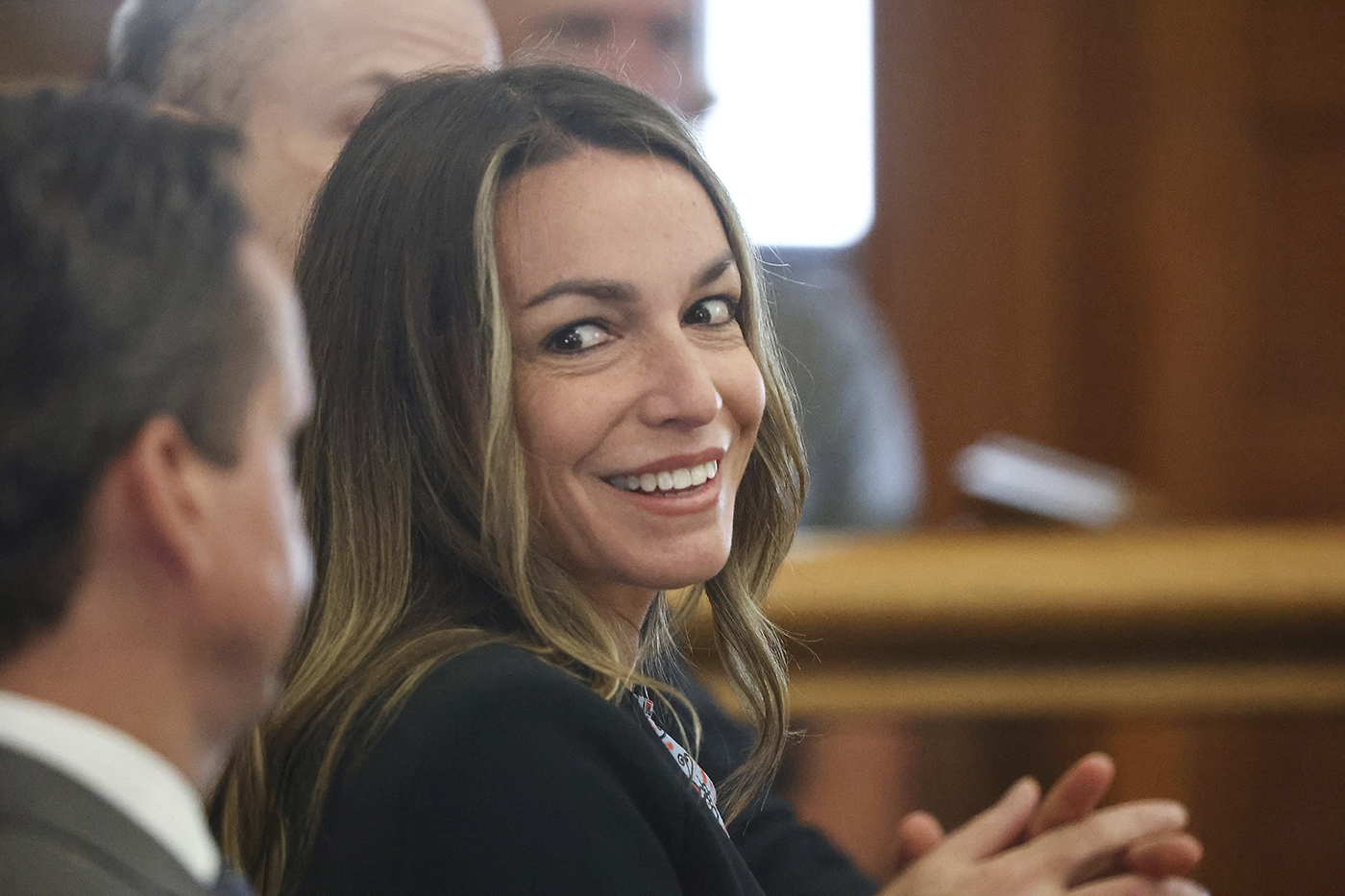
The Karen Read case was never just about a broken taillight or a snowy night in Canton. It was a cultural explosion that divided Massachusetts and turned a suburban murder trial into a national obsession. For months, people argued over whether Karen Read was a cold-blooded killer or the victim of a massive police cover-up. Honestly, the level of intensity was unlike anything we've seen in recent legal history.
Everyone wanted a clear answer. They wanted a "guilty" or a "not guilty" that would finally shut down the conspiracy theories.
The Shocking Split Verdict of June 2025
So, what was the Karen Read verdict? After a grueling second trial that wrapped up in June 2025, the jury finally came back with a decision that left both sides feeling a mix of relief and frustration.
Karen Read was acquitted of the most serious charges. She was found not guilty of second-degree murder and manslaughter while operating under the influence. This was a massive win for her defense team, led by Alan Jackson and David Yannetti, who had argued from day one that she was being framed for the death of her boyfriend, Boston Police Officer John O’Keefe.
But she didn’t walk away entirely. The jury found her guilty of operating under the influence (OUI).
It was what legal experts call a "mercy verdict" or a compromise. Basically, the jury had enough reasonable doubt to believe she didn't intentionally kill O’Keefe, but they weren't willing to let her off for driving drunk that night. She was sentenced to one year of probation, which is pretty standard for a first-time OUI offender in Massachusetts.
Why Was There a Second Trial Anyway?
You might remember the absolute chaos of the first trial in 2024. That one ended in a total stalemate. Judge Beverly Cannone had to declare a mistrial on July 1, 2024, after the jury spent five days deadlocked, unable to agree on anything.
It was a mess.
After that mistrial, things got even weirder. Several jurors actually came forward claiming they had unanimously agreed that Read was not guilty of murder and leaving the scene, but because they hadn't filled out the verdict slip correctly or announced it in open court, it didn't count. Her lawyers tried to get the charges dismissed based on "Double Jeopardy," but the Massachusetts Supreme Judicial Court basically said, "No, if it wasn't read in court, it isn't a verdict."
So, they did the whole thing over again starting in April 2025.
The Evidence That Changed Everything
In the retrial, the prosecution tried to tighten their case. They brought in a special prosecutor, Hank Brennan, hoping a fresh face would help. They leaned hard on the "I hit him" comments that first responders claimed Read made at the scene. They pointed to the pieces of her Lexus taillight found near O’Keefe’s body. To them, it was simple: she was drunk, they fought, she hit him with her SUV, and she left him to die in a blizzard.
But the defense had "Free Karen Read" supporters outside the courthouse and a mountain of digital evidence inside.
The Google Search and the Apple Health Data
One of the biggest points of contention was the "hos long to die in cold" Google search. The defense claimed Jennifer McCabe searched that hours before the body was found. The prosecution’s experts said the timestamp was misinterpreted. Then there was O’Keefe’s Apple Health data, which showed him taking steps and climbing stairs during the time the prosecution said he was already dead or dying on the lawn.
The Federal Investigation
What really hung over the second trial like a dark cloud was the ongoing federal investigation into the Norfolk District Attorney’s office and the State Police. Lead investigator Michael Proctor was ripped apart on the stand for his "unprofessional" texts—to put it mildly—where he called Read a "whackjob" and made disparaging comments about her health.
When your lead investigator is being investigated by the feds for how he handled the case, it’s kinda hard to convince a jury that the investigation was "unbiased."
The Aftermath: Where Do We Go From Here?
While the criminal case is technically over with the OUI conviction and the acquittals on the homicide charges, the story isn't finished.
John O’Keefe’s family, led by his brother Paul, has filed a wrongful death civil suit against Karen Read and the bars where they were drinking that night. Civil trials have a much lower "preponderance of the evidence" standard than criminal trials, so that could go very differently.
There is also the matter of the "Canton 13" and the various witnesses the defense accused of being part of a cover-up. The community of Canton is still deeply fractured. You’ve still got "Free Karen Read" lawn signs sitting just a few blocks away from "Justice for John" signs.
What This Means for You
If you've been following this case, the Karen Read verdict teaches us a few things about the modern American legal system:
- Digital evidence is king: Your phone knows where you were and what you were doing, but experts can still argue over what those data points actually mean.
- Optics matter: The behavior of the investigators can be just as important as the evidence they collect. If the jury doesn't trust the police, they won't trust the case.
- Reasonable doubt is a high bar: Even if a jury thinks you "probably" did it, "probably" isn't enough to send someone to prison for life.
If you want to stay updated on the upcoming civil trial or the status of the federal investigation into the Massachusetts State Police, make sure to follow local Boston news outlets like NBC10 Boston or the Boston Globe, as they have reporters stationed at the Norfolk Superior Court daily.
To get a better handle on the technical side of the evidence, you can look up the unsealed federal transcripts from the "Touhy" request, which offer a deeper look at the FBI’s accident reconstruction experts who concluded that O’Keefe’s injuries were "inconsistent" with a vehicle strike.