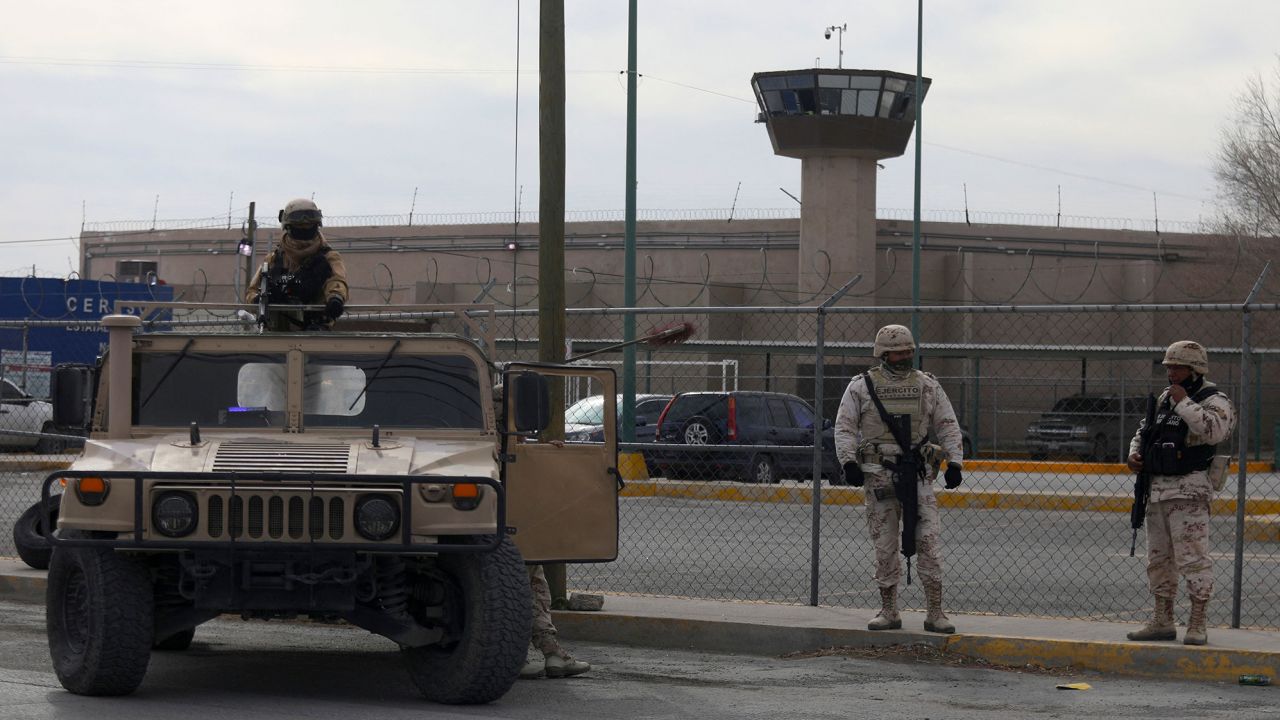
Thirty-six hours. That’s all it took for the Penitentiary of New Mexico (PNM) to transform from a standard, albeit overcrowded, maximum-security facility into a literal vision of hell. If you’ve heard of the New Mexico State Prison riot 1980, you probably know it’s regarded as the most violent riot in American correctional history. But the numbers—33 inmates dead, over 200 injured—don't even begin to scratch the surface of the sheer chaos that unfolded south of Santa Fe on that cold February weekend.
It wasn't just a prison break. It wasn't a organized protest for better food or rights. Honestly, it was a systemic collapse.
The Powder Keg: Why the New Mexico State Prison Riot 1980 Was Inevitable
People often think riots happen because one bad thing occurs on a Tuesday. That's rarely the case. By 1980, the PNM was a pressure cooker with a welded-shut safety valve. The prison was built for 800 people but was holding nearly 1,200. Imagine living in a space designed for a twin bed and having to share it with two other grown men who are just as frustrated as you are.
Legal experts and historians like Roger Morris, who wrote The Devil's Butcher Shop, pointed out that the "snitch system" implemented by the administration was the real poison. Basically, the guards would offer perks to inmates who ratted on others. This destroyed any sense of inmate solidarity. When the riot finally popped off, it wasn't inmates vs. guards; it was often inmates vs. "snitches."
The staff was also wildly undertrained and underpaid. High turnover meant the guards didn't know the inmates, and the inmates didn't respect the guards. It’s a recipe for disaster that any modern correctional expert would see coming a mile away.
How It Started: A Series of Fatal Mistakes
It began at 1:40 AM on Saturday, February 2, 1980, in Dormitory E-2. A few inmates were drinking "home brew"—prison-made alcohol—and decided to jump the guards during a routine check. Because of a massive security lapse, the guards hadn't locked the dormitory door behind them. Within minutes, the inmates had taken four officers hostage.
The keys were the prize.
Once they had the keys, the inmates didn't just stay in their block. They moved. They reached the Control Center. Now, here's the kicker: the glass in the Control Center was supposed to be bulletproof and shatterproof. It wasn't. The inmates used a heavy brass fire extinguisher to smash through the window. Suddenly, they had control of the entire facility's locking mechanism.
The chaos was instant.
The Brutality of Cellblock 4
While some inmates were busy looting the commissary or raiding the prison pharmacy for drugs, a specific group headed for Cellblock 4. This was the "protective custody" unit. This is where the snitches, the child molesters, and the vulnerable were kept.
What followed was horrific.
Inmates used blowtorches they found in the prison's renovation shop to cut through the bars of the cells. They didn't just kill the men inside. They tortured them. We're talking about decapitations, dismemberments, and burnings. It was a settling of scores on a level that most people can't even wrap their heads around. The level of drug-induced frenzy, fueled by stolen pharmaceuticals like Valium and Thorazine, turned the prison into a slaughterhouse.
The State’s Response: Waiting It Out
Outside the walls, the New Mexico National Guard and State Police set up a perimeter. But they didn't go in.
Governor Bruce King took a "wait and see" approach. The logic? If the inmates were busy killing each other, they weren't killing the hostages. To this day, people debate if that was the right call. It probably saved the lives of the 12 hostage guards—all of whom eventually survived, though many suffered horrific trauma—but it essentially handed a death sentence to the men in Cellblock 4.
Negotiations were messy. There was no single leader of the riot. Instead, you had various factions, often divided by race or gang affiliation, making different demands. Some wanted better conditions; others just wanted to get high and exact revenge.
By Sunday night, the energy started to fizzle out. The drugs were wearing off. The horror of what they’d done was setting in. Inmates started trickling out into the yard, surrendering to the waiting National Guard.
The Aftermath and the "New" Prison System
When the smoke cleared on February 3, the scene inside was described by first responders as something out of a war zone. The smell of charred flesh and chemicals hung in the air for weeks.
The New Mexico State Prison riot 1980 forced a total reckoning. The state spent over $200 million in the years following to settle lawsuits and rebuild the prison system. They eventually built a new, "supermax" style facility, but the scars on the New Mexico Department of Corrections never really healed.
Why It Matters Today
You might think 1980 is ancient history. It’s not. Many of the issues that caused the PNM riot—overcrowding, lack of mental health services, and poor staff training—are still present in many state systems today.
- Overcrowding is still a trigger: When people are treated like cattle, they eventually act like it.
- The Snitch System is dangerous: Turning inmates against each other might provide short-term intel, but it creates a culture of lethal paranoia.
- Facility maintenance saves lives: If that "shatterproof" glass had actually held, the riot might have been contained to a single wing.
Moving Forward: Lessons for Modern Reform
If you’re interested in criminal justice or history, the New Mexico riot is a case study in what happens when a government ignores its most invisible population. It’s a reminder that prisons are part of society, not separate from it.
Actionable Insights for the Informed Citizen:
- Monitor State Audit Reports: Most states publish annual reports on prison population and staffing. If you see a facility operating at 120% capacity with 30% staff vacancies, that’s a red flag.
- Support Sentencing Reform: Reducing overcrowding isn't just about "being soft on crime"; it’s about officer safety and preventing the kind of total system collapse seen in 1980.
- Read the Duran Consent Decree: If you want to dive deep, look up the legal fallout from this riot. It changed how New Mexico had to handle its prisoners for decades.
The tragedy at Santa Fe wasn't just a failure of the inmates; it was a failure of the state. Understanding the New Mexico State Prison riot 1980 is the first step in ensuring that "never again" actually means something.