Ever feel like most movies today are just loud noises and CGI capes? Sometimes you just want a story that doesn't feel like it was written by a marketing committee. That’s why people are still obsessed with The Ultimate Gift movies.
It started back in 2006. On paper, it sounded like a cheesy Hallmark flick. A billionaire dies, leaves his spoiled grandson a series of "tasks" instead of cash, and—shocker—the kid learns how to be a human being. But it worked. It worked so well it spawned a whole trilogy based on Jim Stovall’s books.
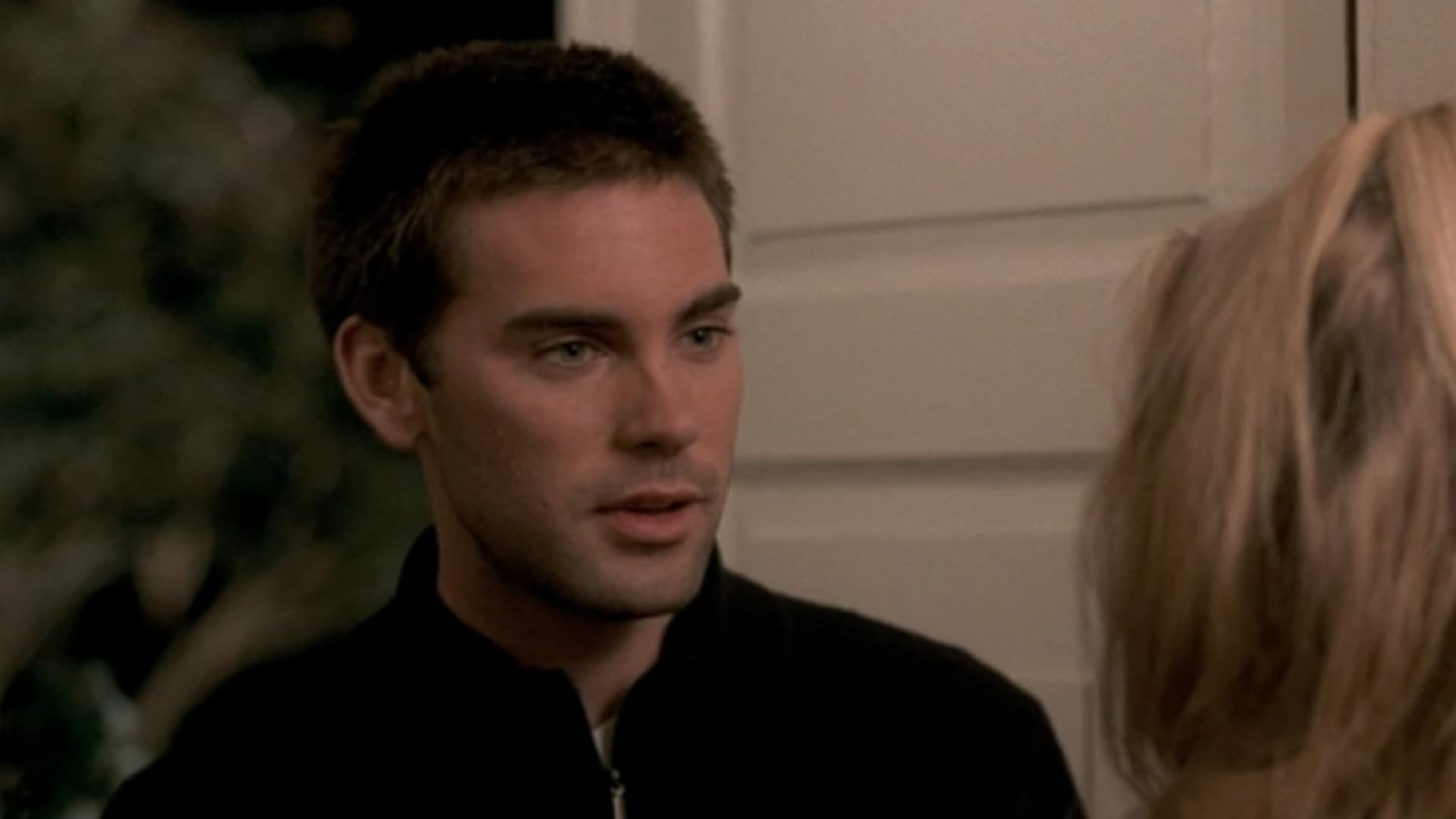
Honestly, the first film is the heavy hitter. You've got James Garner as Red Stevens, the dead billionaire speaking from beyond the grave via VHS tapes. His grandson, Jason (played by Drew Fuller), is a total jerk. Like, the kind of guy you’d love to see lose his credit cards. Which is exactly what happens.
The Ultimate Gift: What Most People Get Wrong
People think this is just a "rich kid gets humbled" story. It’s not. It's actually a pretty brutal look at how wealth can rot a family from the inside out. Red Stevens realizes he didn't just give his kids money; he took away their ability to handle life. He calls it "the gift of problems."
Think about that. How many people actually view their struggles as a gift?
The 12 Gifts
Jason has to go through twelve specific challenges to get "the ultimate gift." He’s sent to a ranch to dig fence posts in the Texas heat. He gets dumped in a village in Ecuador. He ends up homeless in a park with no shoes.
The most gut-wrenching part? His friendship with Emily, a young girl with leukemia played by a pre-superstar Abigail Breslin. She’s the one who actually teaches him the "Gift of a Day." No special effects, just raw, tear-jerker dialogue.
Critics at the time were split. The Washington Post liked the moral but called the pacing "starchy." But the fans? They didn't care about the pacing. They cared about the fact that Jason actually felt like a real person who was slowly—very slowly—becoming less of an ego-maniac.
Beyond the First Film: The Ultimate Life and Legacy
Most folks don't realize there are two more movies. Things get a bit weird with the timeline here.
The Ultimate Life (2013) acts as both a sequel and a prequel. Jason is now running the foundation he inherited, but he’s failing at his relationship with Alexia (Ali Hillis). He finds his grandfather’s journal, and the movie flashes back to Red’s life during the Depression.
It’s a rags-to-riches story. We see Red as a teenager leaving home with nothing, surviving the war, and building an oil empire. It explains why he was so obsessed with the 12 gifts. He had to earn every penny, and he realized too late that his children never did. Interestingly, Logan Bartholomew took over the role of Jason in this one. Changing lead actors mid-franchise is usually a death sentence, but for a direct-to-video/limited release vibe, it managed to keep the spirit alive.
Then came The Ultimate Legacy (2015).
By this point, the series shifted focus. Jason is more of a mentor now. He helps another entitled young man named Joey Anderson who has to run a bed-and-breakfast for a year to get his inheritance. It features Raquel Welch (her final film role, actually) and Brian Dennehy.
It feels a bit more "TV movie" than the original, but the core remains the same: you can't inherit character. You have to build it.
Why These Movies Still Rank on Streaming
You'll find these films popping up on Pure Flix, Amazon Prime, and Hallmark all the time. Why? Because they touch on "E-E-A-T" before it was a Google term—Experience, Expertise, Authoritativeness, and Trust. Jim Stovall, who wrote the books, is actually blind. He understands what it means to lose something and find a different kind of vision. That authenticity bleeds into the scripts.
The movies tackle stuff that’s still relevant in 2026:
- The Wealth Illusion: Having money doesn't mean you're "rich."
- The Value of Work: There is a specific kind of dignity in manual labor that a desk job can't replicate.
- Forgiveness: Red Stevens used his will to ask for forgiveness because he couldn't do it while he was alive.
It’s not perfect cinema. The Ecuadorian kidnapping plot in the first movie is, frankly, a bit ridiculous. It feels like a different movie entirely for twenty minutes. But the emotional payoff? That’s where it wins.
Actionable Steps for a Modern "Gift" Lifestyle
You don't need a dead billionaire grandfather to start applying the 12 gifts to your own life.
- Start a "Golden List." This comes straight from the movies. Every morning, write down ten things you’re grateful for. It sounds cheesy until you’re having a terrible day and realize you still have clean water and a bed.
- Audit your "Gift of Friends." Jason realizes his "friends" only liked his car and his tab. Look at your circle. Who’s there when the money (or the influence) runs out?
- Seek out the "Gift of Problems." Next time something goes wrong, stop asking "Why me?" and ask "What is this teaching me that I couldn't learn while things were easy?"
If you're looking to watch them, start with the 2006 original. It has the best cast—James Garner is a legend for a reason—and it sets the stage for everything else. Skip the trailers, they give too much away. Just sit down and let the "Gift of Work" wash over you.
Check your local library or digital retailers like Vudu or Apple TV. The trilogy is often sold as a bundle now. It's a solid weekend binge if you need a reminder that life is about more than the balance in your checking account.
Next Steps:
If you want to dive deeper into the specific 12 gifts mentioned in the films, I can break down the "Gift of a Day" or the "Gift of Gratitude" with specific exercises from Jim Stovall's original curriculum. I can also help you find where the trilogy is currently streaming in your region.