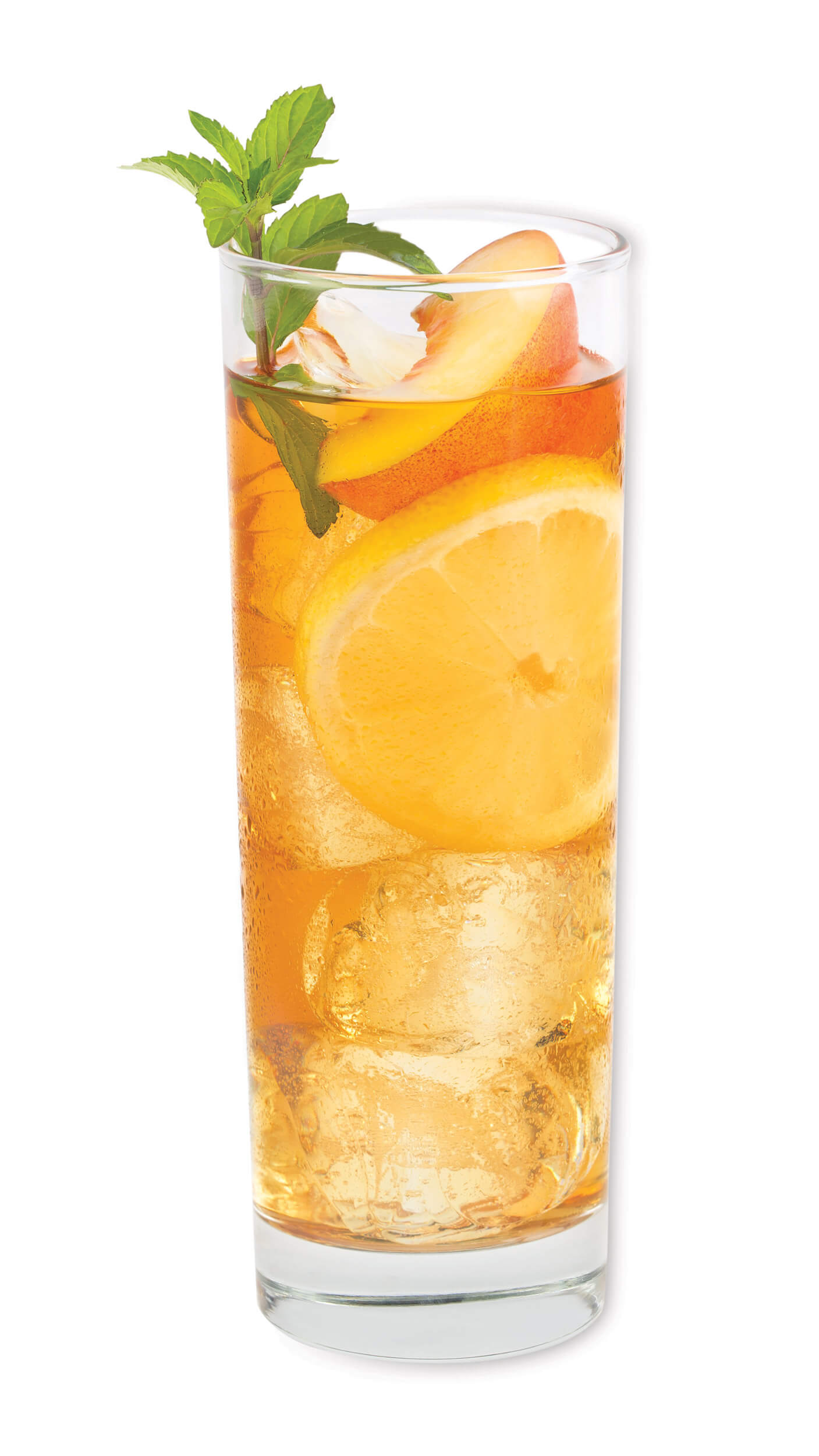
It's the drink everyone reaches for when they want something easy, but honestly, vodka with ice tea is often a disaster. You’ve seen it at every backyard BBQ: a lukewarm bottle of Lipton poured over a generic rail vodka in a plastic cup. It’s functional, sure. It gets the job done. But if you actually care about what you're drinking, there is a massive gap between a "college-pour" and a cocktail that actually tastes like something you’d pay $15 for at a rooftop bar.
People think it’s a foolproof duo. Two ingredients. Ice. Done. But that's exactly where the mistakes start. If you use a high-sugar, bottled tea, the vodka just amplifies that cloying, syrupy aftertaste that coats your teeth. If you use a cheap vodka with a high "burn" factor, it shreds the delicate tannins in the tea. It’s a delicate balance that most people ignore because they think of it as a "lazy" drink.
Let's fix that.
The Science of Tannins and Ethanol
When you're mixing vodka with ice tea, you're essentially playing chemist with two very specific components: tannins from the tea leaves and the ethanol structure of the spirit. Black tea, which is the most common base, is loaded with polyphenols. These are the compounds that give tea that slight "pucker" or dryness on the finish.
Vodka is a neutral spirit, but it isn't flavorless. Most modern vodkas—think your Grey Goose or Belvedere—have a specific mouthfeel. When you hit those tea tannins with a high-proof spirit, you can either smooth out the tea’s bitterness or make it taste like battery acid.
It's about dilution.
If you use cold-brew tea, the tannin extraction is much lower. This is the secret. Hot-brewed tea that has been cooled down often turns cloudy and develops a "dusty" flavor profile because of the rapid temperature change. Professional bartenders usually recommend a cold-steep method for at least 12 hours. It results in a cleaner, more vibrant base that allows the vodka’s subtle grain or potato notes to actually show up.
Why the "Hard Tea" Trend is Changing Everything
You can't talk about vodka with ice tea in 2026 without mentioning the explosion of the "Hard Tea" market. Brands like Twisted Tea owned the space for a long time, but we've seen a massive shift toward spirits-based versions. There’s a big difference between a malt-based beverage and one made with real vodka.
Malt-based teas often have a weird, bread-like aftertaste. Real vodka-teas, like the ones coming out of smaller craft distilleries, are crisp. They don't have that heavy, bloated feeling you get from fermented malt.
Take Surfside or even the newer entries from major labels. They are leaning into the "still" aspect—no bubbles. This is crucial because carbonation in a tea drink can sometimes make it taste like a weird soda rather than a refined cocktail. People are moving away from the "sugar bomb" era and looking for something that actually tastes like... well, tea.
The Best Tea Varieties for Vodka
- Earl Grey: This is for the "advanced" drinker. The bergamot oil adds a citrusy punch that works incredibly well with a potato-based vodka like Chopin. It’s sophisticated.
- Green Tea: Much lighter. Use this if you’re using a vodka with a bit of sweetness, maybe something corn-based like Tito’s.
- Hibiscus: Technically a tisane, not tea, but it turns the drink a brilliant red and adds a tartness that replaces the need for extra lime.
- Oolong: Smoky, earthy, and deep. This is the "whiskey drinker’s" version of a vodka tea.
Making the Perfect Version at Home
Forget the bottled stuff. If you want a real vodka with ice tea, you have to control the sugar. Most people over-sweeten. A tiny bit of agave or a simple syrup infused with mint makes a world of difference.
Start with a 2:1 ratio. Two parts tea, one part vodka. If you're using a high-quality tea, you can even go 3:1 to make it a long, refreshing "session" drink.
Don't forget the acid.
A squeeze of fresh lemon is standard, but if you want to be fancy, try a charred lemon. Throw a lemon half in a dry pan until it’s blackened. The juice becomes sweeter and more concentrated. It adds a depth that balances the ethanol perfectly.
I've seen people try to use flavored vodkas here. Be careful. Raspberry vodka with peach tea sounds good on paper, but it usually tastes like a candle. Stick to high-quality plain vodka and get your flavor from the tea leaves or fresh fruit garnishes.
Common Myths About Vodka and Tea
There’s this weird idea that tea "masks" the alcohol better than other mixers. It doesn't. In fact, because tea is so thin (unlike juice or heavy soda), it actually highlights the quality of the vodka. If you use a bottom-shelf vodka that smells like rubbing alcohol, the tea will not save you.
Another myth? That you should use boiling water to make the tea stronger. Wrong. Boiling water scorches the leaves. Use water that’s around 190 degrees Fahrenheit for black tea. For green tea, go even lower—around 175 degrees. This prevents the "bitter bite" that makes most vodka with ice tea recipes fail.
The Cultural Impact of the "Transfusion"
You can't mention this combo without acknowledging the Transfusion. While the classic version uses grape juice and ginger ale, the "Tea-fusion" is a rising star in golf clubhouses across the country. It’s the ultimate "day-drinking" cocktail because it feels hydrating—even though it’s definitely not.
Bartenders at high-end resorts are now making "Tea-syrups." They boil down a concentrated tea with sugar to create a syrup that they then shake with vodka and fresh lemon juice. It gives you all the flavor of the tea without the dilution of a 12-ounce glass.
Modern Variations You Should Try
If you're bored with the standard, there are ways to level this up.
One: The "Spiked Arnold Palmer." This is the obvious move, but try it with a 50/50 split of Earl Grey and homemade lemonade.
Two: The "Tea Collins." Use a green tea base, vodka, a splash of elderflower liqueur (like St-Germain), and top it with a tiny bit of soda water. It’s floral, light, and dangerously drinkable.
Three: The "Cold Brew Kick." If you like the caffeine hit, use a concentrated black tea cold brew. It has more body than hot-brewed tea. Pair it with a vodka that has a bit of creaminess—something like a wheat-based spirit.
Final Actionable Insights for the Best Experience
To truly master vodka with ice tea, you need to treat it like a real cocktail, not a last-minute mix.
- Cold Steep Your Tea: Put 4 tea bags in a quart of cold water and leave it in the fridge overnight. No bitterness, all flavor.
- Use Large Ice: Small cubes melt too fast and turn your drink into watery tea-flavored vodka. Use one big block or large spheres.
- The "Zest" Factor: Don't just squeeze the lemon. Rub the peel around the rim of the glass. The oils provide the first scent you hit, which masks the initial alcohol vapors.
- Salt? Yes, Salt: A tiny, tiny pinch of sea salt in the glass cuts the bitterness of the tea and makes the flavors pop. It’s a trick used by high-end coffee shops that works perfectly here.
- Quality Spirit: If you wouldn't drink the vodka neat, don't put it in your tea. The transparency of tea leaves nowhere for bad spirits to hide.
Stop settling for lukewarm, sugary messes. Whether you're poolside or just looking for a low-calorie alternative to beer, a properly constructed vodka tea is one of the most refreshing drinks in a bartender's arsenal. Get the tea right, choose a clean vodka, and don't skip the fresh citrus.