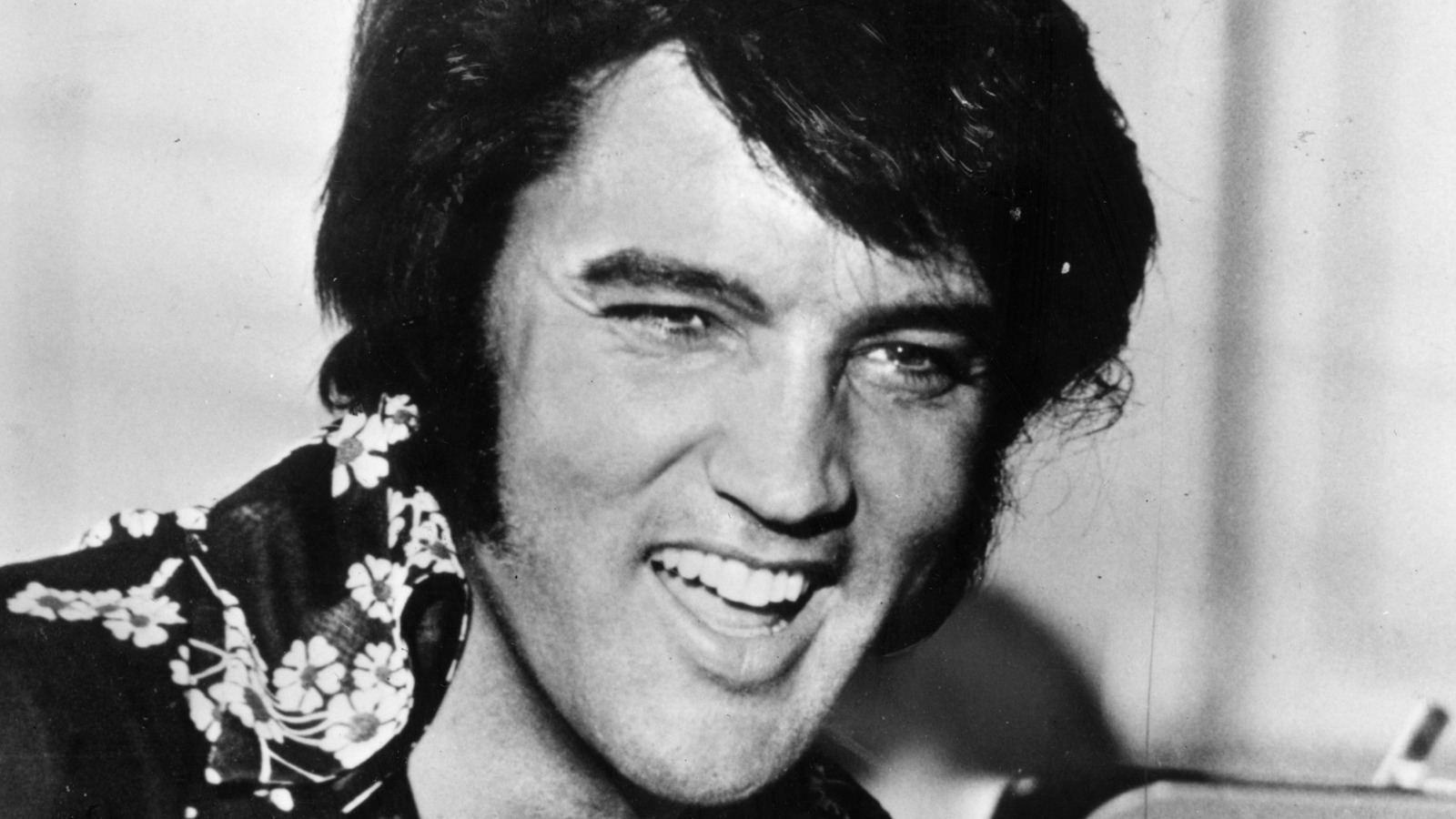
He was the King. When Elvis Presley died on August 16, 1977, the world basically stopped spinning for a second. But if you think the story of where Elvis Presley is buried ends with a simple casket in the ground, you’re in for a weird ride. It wasn’t supposed to be at Graceland. Not originally.
Most people just assume he’s always been there in the Meditation Garden, surrounded by fans and flowers. Actually, his body has moved. It had to. Because people are, well, a little bit crazy.
The Forest Hill Cemetery Incident
So, here is how it started. After the massive funeral procession through Memphis—the one with the white Cadillacs and thousands of weeping fans—Elvis was actually entombed at Forest Hill Cemetery Midtown. He was placed in a crypt inside the South Mausoleum. He wasn't alone there, either; he was laid to rest near his mother, Gladys.
It lasted about two weeks.
In late August 1977, police arrested three men who were caught trying to break into the tomb. They wanted the body. Maybe for ransom, maybe for some morbid souvenir—honestly, the motives were a bit fuzzy, but the threat was very real. Vernon Presley, Elvis’s father, was terrified. He couldn't handle the idea of someone stealing his son. He went to the city and the cemetery officials and basically said, "We’re moving him."
Why Graceland Became the Permanent Home
By October 1977, both Elvis and Gladys were moved to the Meditation Garden at Graceland. This is the spot everyone knows today. It’s peaceful. There’s a fountain, some brickwork, and a lot of grass. It’s also much, much harder to rob because it’s behind a massive gate and guarded by security 24/7.
Moving a body isn't as simple as just digging a hole. Vernon had to get special permission from the Memphis Board of Adjustment to bury a body on a residential property. Usually, that’s a big "no" from a zoning perspective. But this was Elvis. The city made an exception, and honestly, it’s probably the best thing that ever happened to the Memphis tourism board.
Who Else Is There?
If you walk through that garden today, you’ll see it’s a family affair. It isn't just the King.
- Gladys Presley: His mother, who he worshipped.
- Vernon Presley: His father, who died in 1979.
- Minnie Mae Presley: His grandmother, who actually outlived her son and grandson.
- Lisa Marie Presley: His only daughter, who was buried there in early 2023.
- Benjamin Keough: Lisa Marie’s son and Elvis’s grandson, who passed away in 2020.
There is also a small cenotaph (a memorial marker) for Jesse Garon Presley. He was Elvis's stillborn twin brother. Jesse was buried in an unmarked grave in Tupelo, Mississippi, back in 1935, but the family wanted him represented at the home he never got to see.
Is He Really in the Ground?
Look, we have to talk about the conspiracy theories. You can't write about where Elvis Presley is buried without mentioning the "Elvis is alive" crowd.
Some fans swear the casket was too heavy. Others say the wax dummy in the casket (if you believe that story) was sweating because the air conditioning in the funeral home failed. These theories are largely fueled by a desire to keep the King alive, but the physical evidence just isn't there. The grave at Graceland is concrete-lined. It’s reinforced with steel. After the Forest Hill scare, the Presley family made sure that nobody—and I mean nobody—was getting to that casket without a jackhammer and a lot of time.
The weight of the casket was actually due to it being a custom-made copper-lined coffin. It weighed nearly 900 pounds. That’s why it was heavy. Not because it was filled with sand or a secret escape hatch mechanism.
The Architecture of the Grave
The Meditation Garden was originally built by Elvis in the mid-1960s. He didn't build it as a graveyard. He built it as a place to think. He was a seeker. He spent a lot of time reading books on spirituality and religion, trying to figure out why he, a poor kid from Mississippi, became the most famous person on the planet.
The curved brick wall and the stained glass were already there. It’s oddly poetic that he ended up spending eternity in the one spot where he actually tried to find peace during his life.
Visiting the Site Today
If you’re planning a trip to see where Elvis Presley is buried, you should know a few things.
First, it’s free—sort of. While Graceland tours cost a fortune, there is a "Walk-Up" period every morning from 7:30 AM to 8:30 AM. You can walk up the driveway to the Meditation Garden for free, pay your respects, and leave before the tour buses start rolling in.
It’s a strange vibe. You’ll see people from every corner of the globe. Some are crying. Some are taking selfies. Some are just staring at the oversized eternal flame at the head of his grave.
What the Gravestone Actually Says
The inscription on Elvis's grave is long. It was written by his father, Vernon. It calls him a "precious gift from God" and mentions how he revolutionized music. But the most interesting part is the middle name.
On the gravestone, it’s spelled "Aaron." During his life, Elvis usually spelled it "Aron." He wanted to change it to the biblical "Aaron" later in life but found out that his state birth records actually had it as "Aaron" already, despite what his parents thought. The gravestone reflects his final wish for the more traditional spelling. People use this as proof of a conspiracy too, but it was really just a family correcting a lifelong typo.
Why This Matters for Pop Culture History
Elvis’s burial at Graceland changed how we treat celebrity death. Before him, stars were usually tucked away in private plots at Forest Hill or Hollywood Forever. By bringing Elvis home, the family turned a grave into a shrine.
It’s arguably the most visited grave in the United States, competing only with Arlington National Cemetery for sheer volume of visitors. Every year on the anniversary of his death (Elvis Week), thousands of people hold a candlelight vigil. They walk up the hill, past the graves, holding flickering wax candles in the humidity of a Memphis August.
It’s been decades since 1977. The music landscape has changed, digital streaming has taken over, and the people who saw him live are getting older. Yet, the spot where he is buried remains a massive cultural landmark.
Actionable Steps for the Elvis Historian
If you’re diving deep into the history of Elvis's final days and his resting place, don't just stick to the glossy brochures.
- Check the Memphis Public Library Archives: They have the original police reports from the attempted grave robbing at Forest Hill in 1977. It’s fascinating reading.
- Visit Tupelo: To understand the end, you have to see the beginning. The two-room shack where he was born provides the context for why Graceland—and his burial there—was such a massive symbol of "making it."
- Look into the Estate Legal Battles: The move to Graceland wasn't just about safety; it was also a pivot that saved the estate from bankruptcy. By turning the home into a museum (including the grave), the family was able to keep the property.
- Verify the Grave Site Layout: When visiting, note the positions of the graves. They are arranged in a specific order that reflects the family's lineage, with Lisa Marie and Benjamin now occupying the space previously reserved for future generations.
The mystery of Elvis isn't about whether he's still alive. It's about how a man who died so young managed to stay the center of attention for so long. His grave isn't just a resting place; it's the anchor of a multi-billion-dollar legacy that shows no signs of fading.