Disney took a massive gamble in 2009. They went back to hand-drawn animation when everyone else was obsessed with 3D pixels, and honestly, it worked because of the atmosphere. But you can’t build a believable New Orleans just with pretty drawings; you need the sound. The voices from The Princess and the Frog didn't just read lines—they carried the weight of a cultural shift. It’s been over fifteen years since we first met Tiana, and yet, these performances still feel incredibly fresh.
Think about it.
The casting wasn't just about big names. It was about texture. You’ve got Broadway legends rubbing shoulders with Hollywood veterans and actual Oprah. It creates this gumbo of sound that feels lived-in.
Anika Noni Rose and the Grit of Tiana
Most people know Anika Noni Rose won a Tony for Caroline, or Change, but her work as Tiana is a masterclass in vocal discipline. Tiana isn't your standard "I wish" princess. She’s a "I work two shifts and my feet hurt" protagonist. Rose captures that. There’s a specific tightness in her voice during the early scenes—the sound of someone who hasn't slept enough.
Then she sings.
"Almost There" is the standout, obviously. Rose requested that the character be left-handed because she is, but the real magic is in the phrasing. She brings a musical theater precision to Randy Newman’s jazz-influenced score that makes the ambition feel tangible. She beat out some massive stars for this role (rumors at the time floated names like Jennifer Hudson and Tyra Banks), but Rose had the "Disney sparkle" mixed with a very real, grounded exhaustion.
It’s interesting to note that Rose actually voiced the character again in Ralph Breaks the Internet and for the Disney Parks' Tiana’s Bayou Adventure. She hasn't just moved on; she’s become the steward of the character’s legacy.
Keith David: The Best Disney Villain Since Scar?
We have to talk about Dr. Facilier. Keith David has one of those voices that feels like velvet wrapped in sandpaper. It’s deep, it’s resonant, and it’s terrifyingly smooth. Facilier is a "Shadow Man," a huckster, a literal soul-seller, and David plays it with a smirk you can actually hear.
The song "Friends on the Other Side" is basically a one-man show. David’s ability to jump between oily persuasion and frantic desperation at the end of the film is why that character works. Without that specific bass-baritone rumble, Facilier would just be a guy in a top hat. Instead, he’s a threat. David’s background in everything from The Thing to Gargoyles gave him the range to make a flamboyant villain feel genuinely dangerous.
The Supporting Cast that Stole the Show
While the leads are great, the voices from The Princess and the Frog in the supporting roles are what provide the "NOLA" flavor.
Jenifer Lewis as Mama Odie is a force of nature. Lewis is often called the "Mother of Black Hollywood," and she brings this raspy, eccentric energy to a 197-year-old blind voodoo lady that is nothing short of iconic. "Dig a Little Deeper" isn't just a song; it's a sermon. She recorded that role with an intensity that you usually only see on a Broadway stage.
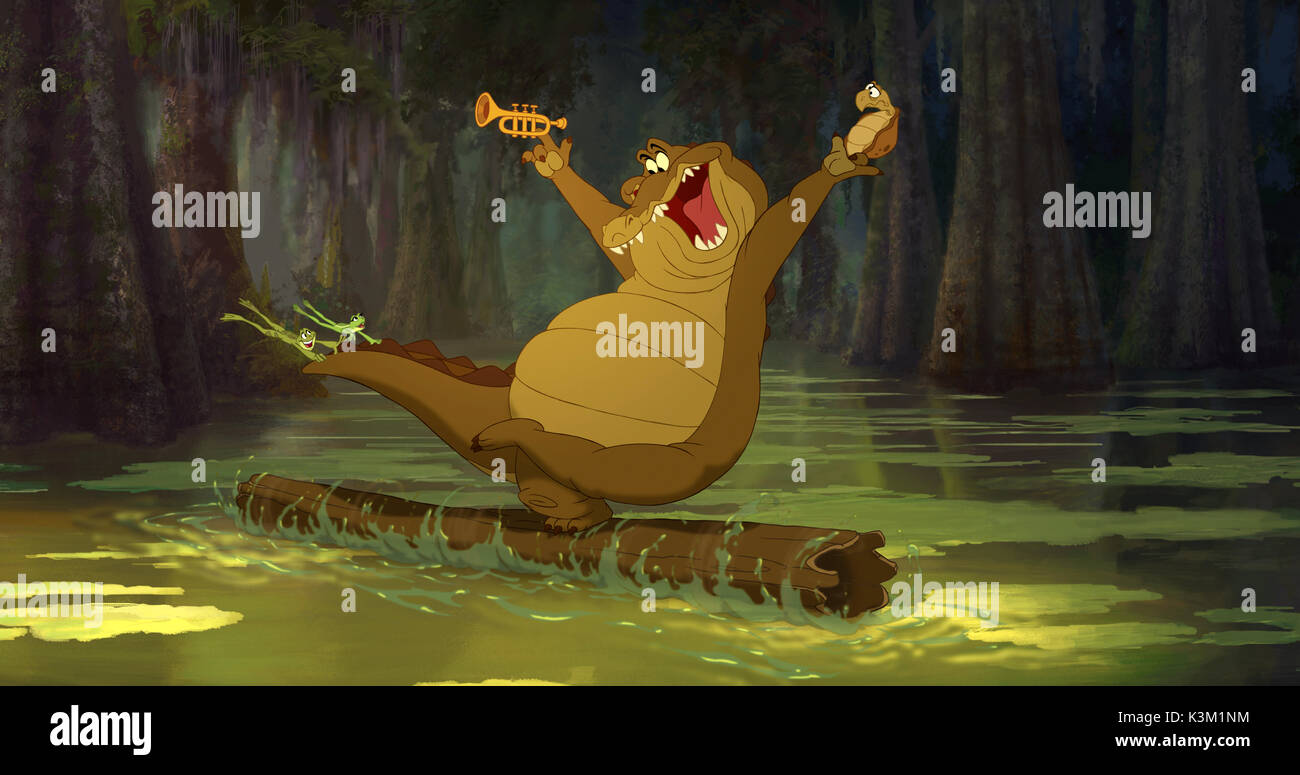
Then there’s Michael-Leon Wooley as Louis the alligator.
Wooley is a Broadway singer (he was the voice of the plant in Little Shop of Horrors), and he brings a frantic, neurotic joy to a giant reptile who just wants to play jazz. His chemistry with Jim Cummings—who voiced Ray the firefly—is the heart of the movie's comedy.
Speaking of Jim Cummings, the man is a legend. He’s Winnie the Pooh. He’s Tigger. But for Ray, he adopted a thick Cajun accent that was actually inspired by real residents of the Louisiana bayou. Some critics at the time worried the accent was a bit much, but for many in the South, Ray felt like a genuine tribute to the "Cajun spirit." It’s a bittersweet performance, especially given Ray’s ultimate fate.
The Prince and the "Big Daddy"
Bruno Campos brought a specific, worldly charm to Prince Naveen. Naveen is supposed to be from a fictional land (Maldonia), so Campos had to invent an accent that sounded vaguely European/International but also incredibly lazy. It’s a hard balance. He had to sound like a spoiled brat who was somehow still likable enough for Tiana to fall for.
And then you have John Goodman.
Goodman plays Eli "Big Daddy" La Bouff. As a native of the South himself, Goodman didn't have to try hard to play a wealthy, booming, overly-indulgent father. His voice provides the "old money" anchor to the film's New Orleans, contrasting sharply with the working-class struggle of Tiana’s world.
Why the Voice Acting Matters for SEO and History
When you look at the voices from The Princess and the Frog, you’re looking at a turning point for Disney. This was the first time they truly integrated the musicality of a specific American city into the vocal performances. They didn't just hire "actors"; they hired "sounds."
The film's legacy has only grown. With the 2024 opening of Tiana's Bayou Adventure at Disney World and Disneyland, many of these actors returned to their roles. It proves that the performances weren't just "gigs." They were definitive.
Surprising Facts About the Vocal Sessions:
- Anika Noni Rose insisted on seeing the character sketches to match her vocal tone to Tiana’s physicality.
- Jennifer Cody, who voiced Charlotte La Bouff, won an Annie Award for her performance. Her high-pitched, manic energy was so infectious that the animators actually added more scenes for her character based on her line deliveries.
- Oprah Winfrey (Eudora) took the role simply because she loved the story’s message, marking a rare voice-acting turn for the media mogul.
- Terrence Howard brought a soft, tragic dignity to James (Tiana’s father) in just a few minutes of screen time, setting the emotional stakes for the entire film.
What You Should Do Next
If you’re a fan of the film or an aspiring voice actor, don't just watch the movie again.
Listen to the "Original Cast" recordings and compare the spoken dialogue to the singing. Notice how Anika Noni Rose maintains Tiana’s specific dialect even when hitting those high notes in "Almost There."
Go find the "Behind the Scenes" footage of Keith David recording "Friends on the Other Side." Watching his physical movements while he records will show you exactly how much effort goes into a vocal performance. It’s not just sitting in a booth; it’s a full-body workout.
Finally, check out the credits for the jazz musicians involved. The voices weren't just the actors—the instruments of Terence Blanchard and the Pinnacle of New Orleans jazz legends are just as much "characters" in this film as Tiana or Naveen. Understanding that layered approach to sound will give you a much deeper appreciation for why this movie remains a classic in the Disney canon.