Mark Twain was broke when he heard a tall tale in a smoky gold-mining camp. That's the spark. It wasn't some grand literary ambition that birthed the legend of the Calaveras County frog jumping contest; it was a desperate writer hearing a story about a guy named Jim Smiley and his frog, Dan’l Webster. Today, people think it’s just a quirky fair event. They're wrong. It is a high-stakes, scientifically studied, deeply competitive subculture that looks more like professional athletics than a backyard hobby.
If you head to Angels Camp in May, don’t expect a petting zoo. You’re entering a world of "frog jockeys." These people don't just pick up a bullfrog and hope for the best. They spend months—sometimes years—studying the biomechanics of Rana catesbeiana.
The Twain Legacy and the 1928 Pivot
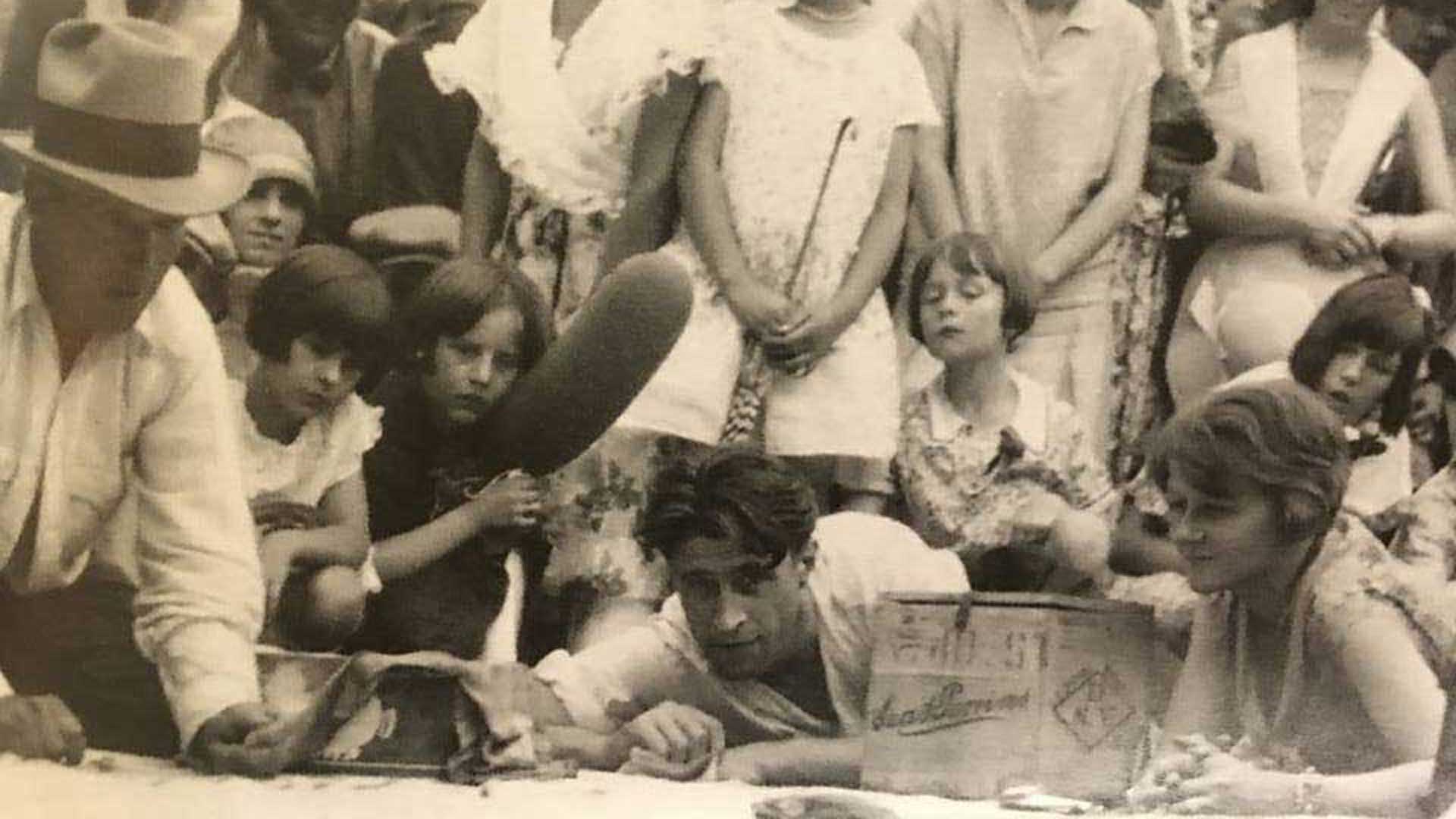
Most folks know the story "The Celebrated Jumping Frog of Calaveras County." It put the region on the map in 1865. But the actual event didn't start then. The first modern competition didn't happen until 1928. The city of Angels Camp decided to pave their main street and wanted a celebration. They looked back at Twain’s story and thought, "Why not?"
It was a hit. 15,000 people showed up. Think about that for a second. In 1928, in a rural mining town, that's a massive crowd. It was never meant to be a one-off. It became the Calaveras County Fair & Jumping Frog Jubilee.
The record to beat? It’s been standing since 1986. Rosie the Ribiter, piloted by Lee Giudici, jumped 21 feet, 5 and 3/4 inches. To understand how insane that is, you have to look at the math. Most frogs jump maybe three or four feet. Rosie covered over 21 feet in three consecutive leaps. That is the standard. That is the "four-minute mile" of the frog world.
The Secret Science of the Frog Jockey
You can’t just yell at a frog to jump. Well, you can, but it won't work. The professionals, the serious jockeys, have a technique that looks like a weird interpretive dance. They lung at the frog. They scream. They blow on the frog's back.
Thermal Regulation is Everything
A cold frog is a slow frog. This is basic biology, but the jockeys treat it like rocket science. They keep their "athletes" in warm, temperature-controlled environments before the jump. If the frog’s muscles are cold, the ATP (adenosine triphosphate) in the muscle fibers doesn't fire as fast.
The jockeys often keep the frogs in warm water or even under heat lamps in their specialized "frog motels." When they hit the stage—which is actually a giant green tarp—the frog has to be at the peak of its metabolic window.
The Art of the Scare
Why do they jump? Fear. Mostly. In the wild, a bullfrog jumps when a heron or a snake is about to eat it. The jockey’s job is to mimic a predator. You’ll see them belly-flop onto the platform right behind the frog. The vibration of the "thump" on the wood sends a signal to the frog’s brain: Move or die.
It’s intense. Honestly, it’s a bit jarring the first time you see a grown man in overalls scream at a three-pound amphibian. But it works.
The Controversy You Didn't Know About
Not everyone loves the jubilee. Over the years, animal rights groups have scrutinized the event. The organizers have responded with some pretty strict rules. You can't hurt the frogs. You can't "rent" a frog and then mistreat it.
Actually, there’s a "Frog Spa." It’s a real thing. After the jump, the frogs are kept in a cool, dark, humid environment to de-stress. Most of the frogs are caught in the wild—often in the San Joaquin Delta—and then released back into the wild after the weekend.
- No "performance enhancers" (yes, they check for weird chemicals).
- Professional handlers must be present.
- Post-jump hydration is mandatory.
There was even a study published in The Journal of Experimental Biology back in 2013. Researchers from the University of South Florida went to the Jubilee. They wanted to know if the "amateur" frogs were jumping as far as they could. They found that the professional jockeys were actually coaxing jumps out of the frogs that exceeded what scientists thought was physiologically possible.
The researchers, led by Thomas Roberts, discovered that bullfrogs use a "catapult mechanism" in their tendons. They load up energy like a crossbow and then release it. The jockeys just knew how to trigger that release better than the scientists did.
How to Actually Compete (And Not Look Like a Tourist)
If you show up at the Calaveras County frog jumping event thinking you’ll just win with a random frog from the creek, you're dreaming. But you can participate. There is a "commemorative" jump for tourists, but the real action is on the main stage.
- Get a Frog: You can bring your own (if it’s over four inches) or rent one at the fair. Renting is easier but you won't win the $5,000 prize for breaking the world record.
- The Three-Jump Rule: It isn't just one hop. The "score" is the total distance of three consecutive jumps. The measurement is taken from the starting point to the landing spot of the third jump.
- The "Poop" Rule: It happens. If a frog "lightens the load" mid-jump, the jump still counts. It’s part of the game.
The atmosphere is thick with dust, corn dogs, and tension. You've got families who have been doing this for four generations. The Gustine group, the Ray group—these are the dynasties. They have secret "frog ponds" where they catch their talent. They don't share their locations. It’s like gold mining all over again, but the gold is green and slimy.
Why It Still Matters in a Digital Age
We live in a world of TikTok and AI. Everything is filtered. Everything is virtual. The Calaveras County frog jumping contest is the opposite of that. It’s dirty. It’s unpredictable. You can have the best frog in the world, and it might just sit there and blink at you.
It’s a reminder of a specific kind of American weirdness. It’s a celebration of a short story that saved a man’s career and a tradition that refuses to die. It’s also a massive economic engine for Calaveras County. Hotels from San Andreas to Murphys fill up months in advance.
Actionable Steps for Your Visit
If you’re serious about witnessing—or joining—this madness, you need a plan.
- Book Early: The Jubilee happens the third weekend in May. If you aren't booked by February, you're staying an hour away in Stockton.
- Study the Weather: If it’s a heatwave, the frogs jump further. If it’s unseasonably cold, expect a "slow" year.
- Bring a Chair: The "Mormon Slough" and other jumping areas have limited seating.
- Watch the Professionals First: Don't jump your frog until you’ve seen a pro do the "belly flop" technique. You need to understand the timing of the lunge.
- Respect the Frog: If you’re catching your own, check the California Department of Fish and Wildlife regulations. You need a fishing license, and there are bag limits. Don't be the person who gets a fine before the fair even starts.
Check the official Calaveras County Fair website for the specific entry deadlines, as they change slightly every year depending on the scheduling of the rodeo and other events. The competition is held at "Frogtown," which is the nickname for the fairgrounds just south of Angels Camp.
The world record has held for nearly 40 years. Some say it’ll never be broken. Others think we just haven't found the right frog yet. Either way, standing on that green tarp, feeling the heat of the California sun, and watching a bullfrog defy gravity is something you won't forget. It’s not just a jump. It’s history in mid-air.
Next Steps for Enthusiasts:
Begin by reading Mark Twain's original story to understand the cultural context. Then, if you plan to compete, acquire a California fishing license and spend time observing bullfrog behavior in local wetlands to understand their natural "flight" triggers. Finally, register for the "International" category if you are a first-timer, as the professional circuits are highly competitive and require prior qualification through regional trials.