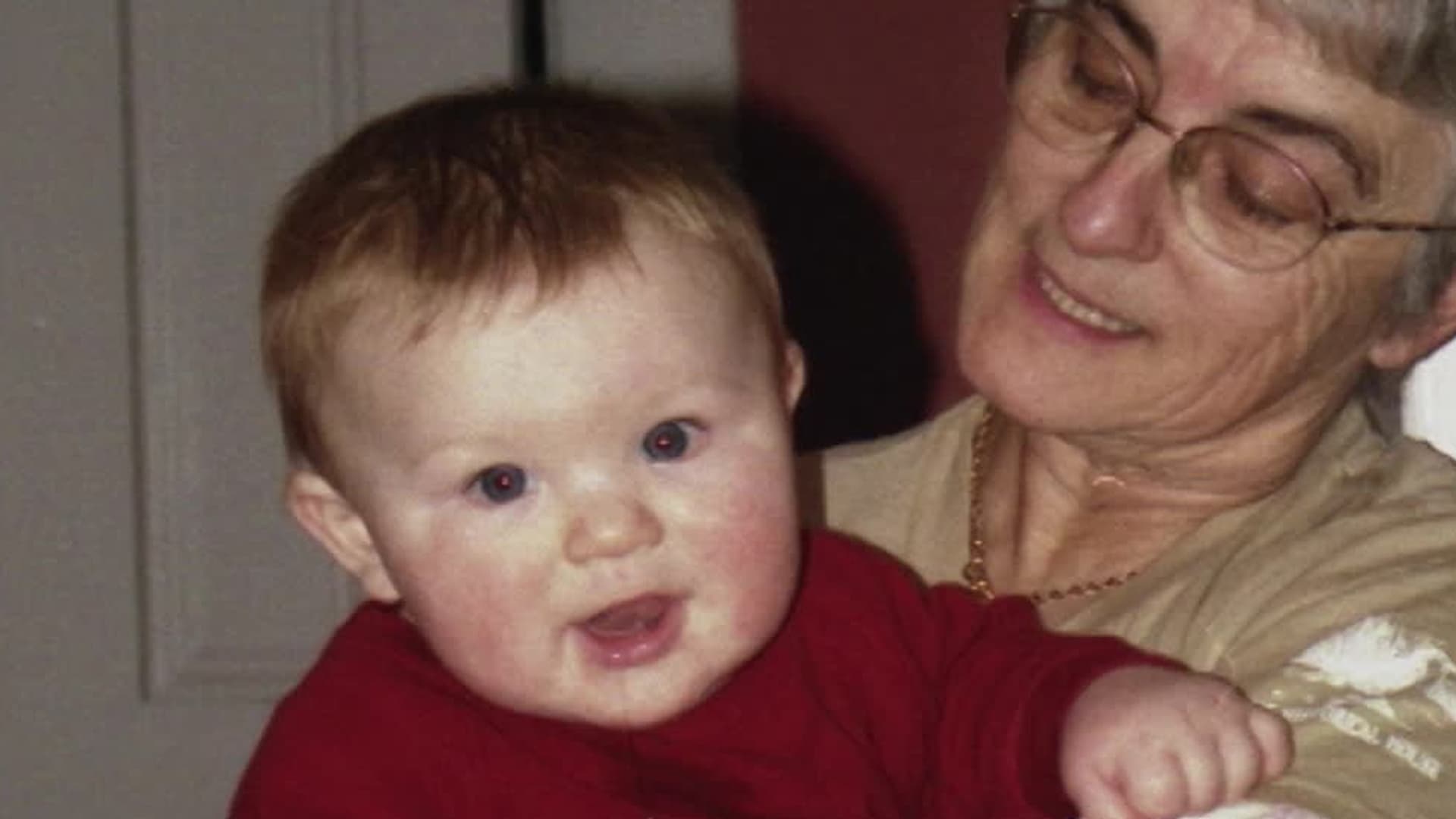
If you’ve seen it, you know the feeling. That heavy, hollow sensation in your chest that lingers for days. Dear Zachary: A Letter to a Son About His Father isn't just a documentary; it’s a scar on the collective psyche of true crime fans. It’s a film that fundamentally changed how we talk about the justice system, grief, and the ethics of storytelling.
Most people go into it expecting a simple tribute. They think they’re watching a home movie meant to help a little boy know the father he never met. But Kurt Kuenne’s masterpiece is a Trojan horse. It starts as a eulogy and transforms into a blistering, furious indictment of legal negligence. It’s messy. It’s loud. It’s devastatingly personal. Honestly, it’s one of the few films that should come with a genuine mental health warning.
The Story Behind the Camera
Andrew Bagby was the kind of guy everyone liked. He was a medical resident, a loyal friend, and by all accounts, a genuinely decent human being. When he was murdered in a parking lot in Pennsylvania in 2001, his childhood friend Kurt Kuenne didn't just mourn. He picked up a camera. He wanted to preserve Andrew’s memory. He traveled across the continent to interview everyone who knew him—parents, ex-girlfriends, colleagues—to create a visual scrapbook for Andrew’s unborn son, Zachary.
The inciting incident was the discovery that Andrew’s killer, Shirley Turner, was pregnant.
Turner fled to Newfoundland, Canada, to avoid prosecution. Because of the complexities of international law and a Canadian justice system that, at the time, seemed bafflingly lenient toward her, she remained free on bail. This created a nightmare scenario. Andrew’s parents, David and Kathleen Bagby, had to play nice with the woman they believed murdered their son just to see their grandson. It's a level of strength most of us can't even fathom. They moved to a different country, sat in rooms with a killer, and fought through a thicket of red tape.
The Twist That Nobody Saw Coming
If you haven't seen the film, stop reading. Seriously. Go watch it. Because the midpoint of Dear Zachary: A Letter to a Son About His Father contains a pivot so horrific it feels like a physical blow.
We expect the law to work. We expect the "good guys" to win eventually. But in 2003, while still out on bail, Shirley Turner took Zachary and jumped into the Atlantic Ocean. Both died.
The documentary shifts instantly. The editing becomes frantic. The music, also composed by Kuenne, turns from melancholic to jagged and angry. The "letter" to Zachary becomes a document of a failure. It’s no longer about a son learning about his father; it’s about a world that failed to protect either of them.
Why This Film Sticks in Your Ribs
There is a rawness here you don’t get in polished Netflix true crime series. Kuenne isn't an objective observer. He’s a grieving friend. You can hear it in his narration—his voice shakes, he screams, he lets his rage bleed onto the screen. It violates every rule of "traditional" journalism, and that is exactly why it works. It’s authentic.
Many critics pointed out that the film’s pacing is chaotic. It is. It’s fast-cut and overwhelming. But that mimics the frantic nature of the Bagbys' lives during that period. They were living in a constant state of high-alert anxiety.
- The Power of David and Kathleen: The real "stars" are the Bagbys. Their resilience is the only thing that makes the movie bearable.
- The Failure of Bail Laws: The film isn't just a sad story; it's a political tool.
- The Editing: Kuenne uses a "rapid-fire" style that forces the viewer to feel the urgency.
The Legislative Legacy: Bill C-422
Most documentaries end and that’s it. You move on to the next thing in your queue. This one didn’t. The outrage sparked by the film actually led to real-world change in Canada. David Bagby wrote a book, Dance with the Devil, and worked tirelessly with lawmakers.
In 2010, the Canadian government passed Bill C-422. This was a direct response to the tragedy. It gave courts the power to refuse bail to people accused of serious crimes if it was in the interest of protecting their children. It seems like common sense, right? It wasn't the law until this family went through hell and a filmmaker showed the world exactly what that hell looked like.
It’s rare to see art have such a direct, measurable impact on the legal code. It turned Zachary’s death from a senseless tragedy into a catalyst for protection for other kids.
The Ethics of True Crime
Watching Dear Zachary: A Letter to a Son About His Father in 2026 feels different than it did in 2008. We are now in an era of "true crime as entertainment," where podcasts and docuseries often feel exploitative. There’s a lot of talk about whether we should be consuming these stories at all.
Kuenne’s film escapes much of this criticism because the motive was never profit. It was love. The project started as a gift. Even when it became a public documentary, it remained a tool for advocacy. It doesn't glamorize the killer. In fact, it barely gives Shirley Turner the satisfaction of a clear face on screen in many parts, focusing instead on the victims.
It reminds us that behind every "bingeable" mystery, there are real people who can't just turn off the TV. David and Kathleen Bagby are real people who lost their only son and their only grandson. Their house is still full of memories. Their grief is permanent.
Dealing With the Trauma of the Watch
You can’t just "watch" this movie. You survive it. If you’re planning on seeing it for the first time, don't do it alone. Have someone to talk to afterward.
The film deals with heavy themes:
- Grief and Loss: The sheer weight of losing two generations.
- Justice System Failure: How bureaucracy can be lethal.
- The Persistence of Memory: How we keep people alive through stories.
The pacing is relentless. It doesn't give you room to breathe. That’s intentional. Kuenne wants you to feel the suffocation of the legal battle. He wants you to feel the injustice.
What We Can Learn From the Bagbys
Honestly, the biggest takeaway isn't about the crime. It’s about the human capacity for endurance. David and Kathleen Bagby could have given up. They had every reason to. Instead, they became the world’s most formidable advocates for child safety.
They didn't want anyone else to write a letter to a son about a father who was taken. They wanted the father to be there.
The film serves as a reminder that the systems we trust—police, courts, social services—are made of people. And people make mistakes. Sometimes those mistakes are catastrophic. Being an informed citizen means questioning those systems and demanding they do better.
Next Steps for the Impacted Viewer
If the story of Dear Zachary: A Letter to a Son About His Father moved you, consider looking into local organizations that support victims' rights or child advocacy. In the US and Canada, groups like the National Center for Victims of Crime provide resources for families navigating the legal aftermath of violence.
You can also read David Bagby’s memoir, Dance with the Devil, for a more detailed, first-person perspective on the legal battle in Newfoundland. It provides a deeper look into the frustrations of the court case that the documentary could only touch upon. Finally, support independent documentary filmmakers who focus on social reform. These projects often lack the budget of major studio productions but carry the weight to change laws and save lives.