In 1845, Sir John Franklin sailed out of Greenhithe with 128 men and a lot of confidence. They had the best tech of the Victorian era. Steam engines. Five years of food. A library. It was the Apollo mission of the 19th century, designed to finally crack the Northwest Passage. But then, they just... vanished. For over 150 years, the fate of HMS Erebus and Terror was the world's greatest maritime mystery.
It’s easy to look back and think they were doomed by arrogance. Maybe they were. But these ships were absolute tanks. They weren't your average wooden vessels; they were former "bomb vessels" designed to withstand the recoil of massive mortars. They had internal iron reinforcements and even primitive central heating systems. When people talk about the "Franklin Expedition," they often focus on the tragedy, but the engineering of HMS Erebus and Terror is actually where the story starts to get weird.
The Iron Monsters That Froze in Time
Why use bomb ships for the Arctic? Basically, because the ice doesn't care about your feelings. You need a hull that can take a literal crushing force. By the time Franklin took command, both ships had already been to the Antarctic under James Clark Ross. They were proven. They were tough.
But the Arctic is a different beast entirely.
The ships were fitted with 20-horsepower steam engines salvaged from the London and Greenwich Railway. Think about that for a second. They took locomotive engines and shoved them into wooden ships. It was experimental. It was loud. It was also mostly useless because the coal supply was limited, and the screws (propellers) were vulnerable to the ice. If you’ve ever tried to start a car in -40 degree weather, you have a tiny inkling of what those engineers were dealing with, except their "car" was a 370-ton ship stuck in a frozen desert.
What Actually Happened Near King William Island?
Most of what we know comes from a single piece of paper: the Victory Point Note. It’s a terrifying read if you look between the lines. Found in a stone cairn in 1859, it started out as a standard "all is well" update from 1847. Then, someone wrote around the margins in 1848.
The update was grim.
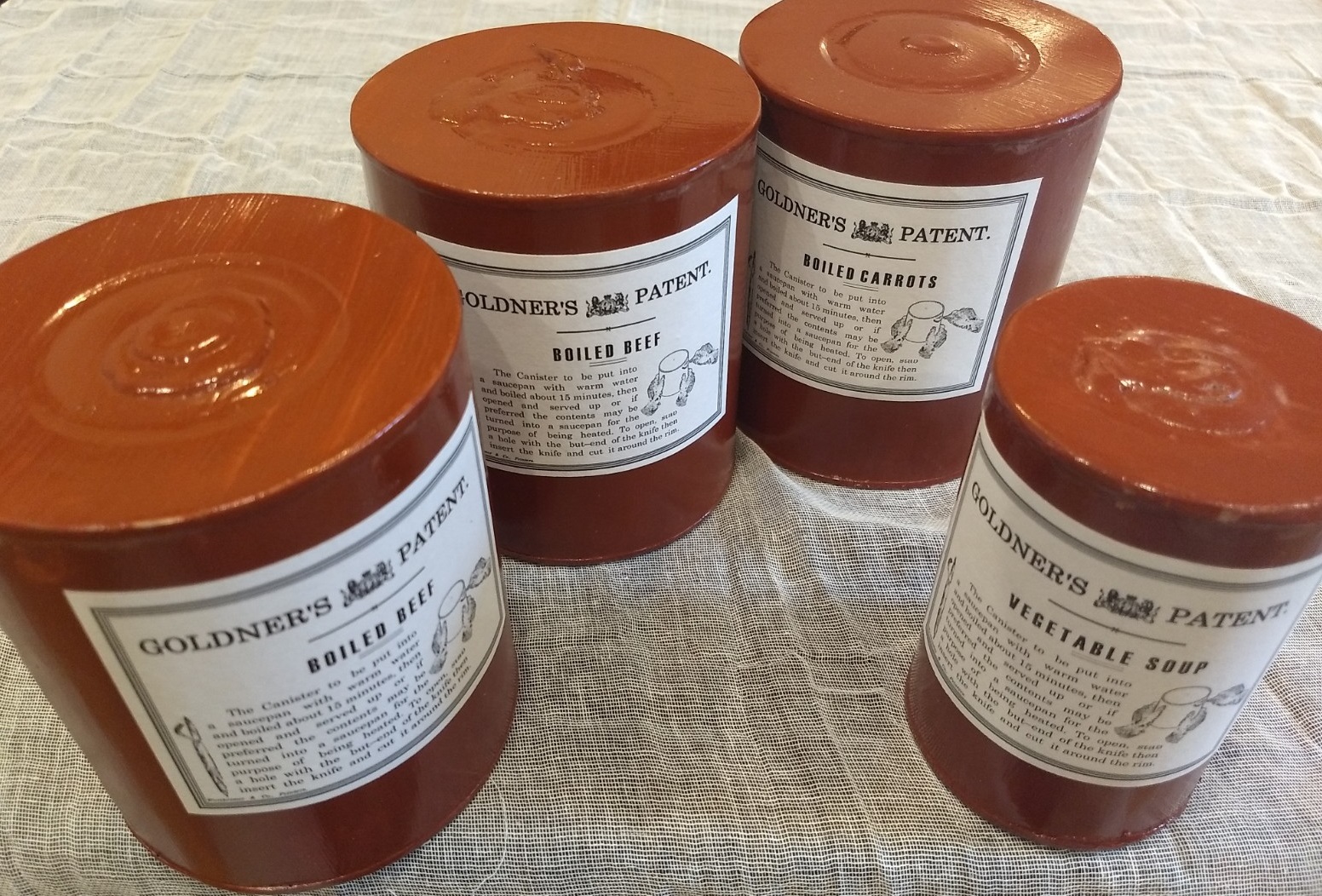
Franklin was dead. Nine officers and fifteen men were dead. The survivors had abandoned HMS Erebus and Terror after being trapped in the ice for over a year and a half. They were heading south toward the Back River. They never made it. You have to wonder what that last morning on the ships felt like. The fire is out. The wood is groaning under the pressure of the pack ice. You're coughing up blood because of scurvy or maybe lead poisoning from poorly soldered tin cans. You pack a sledge with useless luxuries—silver spoons, silk handkerchiefs—and start walking into a white void.
- 1845: Ships depart England.
- 1846: They get stuck near King William Island.
- 1847: Sir John Franklin dies (cause unknown).
- 1848: Crozier and Fitzjames lead the abandonment.
- 2014: Erebus is finally found.
- 2016: Terror is discovered in near-perfect condition.
The Lead Poisoning Myth vs. Reality
For decades, the "lead poisoning" theory was the go-to explanation for why they went crazy. The idea was that the solder on their canned food leached into their meals. However, modern analysis, like the work done by Dr. Keith Millar and others, suggests it’s more complicated. Lead was everywhere in the Victorian era. It was in the pipes. It was in the medicine. While lead levels were high in the recovered remains (like those of John Torrington), it probably wasn't the sole killer. It was a cocktail of exhaustion, scurvy, and starvation.
Essentially, they ran out of luck and time.
Finding the Wrecks: A Modern Miracle
If you haven't seen the footage of HMS Terror at the bottom of Terror Bay, go look it up. It’s haunting. Because the water is so cold and there’s no light, the ship is basically a time capsule. There are dinner plates still on the shelves. There are desks with closed drawers that likely contain paper documents preserved in the frigid, anaerobic environment.
Parks Canada and the Inuit Heritage Trust have been doing the heavy lifting here. It’s important to give credit to the Inuit oral traditions. For over a century, the Inuit told explorers exactly where the ships were. They spoke of a "big ship" sinking near an island. Western explorers mostly ignored them, assuming the "locals" didn't understand the geography.
Guess who was right?
In 2014, HMS Erebus was found in the exact area Inuit testimony suggested. Two years later, HMS Terror was located further north, sitting upright in 24 meters of water. It looks like it could still sail if you pumped the water out. Honestly, it’s a bit eerie how well-preserved it is.
The Mystery of the Move
One of the biggest questions remaining is how the ships ended up where they did. The Victory Point Note said they were abandoned in the Victoria Strait. But HMS Erebus was found way further south. This implies that after the initial abandonment, some of the crew might have gone back to the ship.
Imagine that. You’ve been trekking across the ice, watching your friends die. You realize the "march to safety" is a suicide mission. Do you go back to the only home you have left, even if it’s a wooden coffin trapped in the ice? It seems some of them did. They might have even managed to sail HMS Erebus a bit further south during a brief thaw before it finally went down.
Why We Are Still Obsessed
Maybe it's the Victorian tragedy of it all. The contrast between the height of British industrial power and the raw, uncaring force of nature. Or maybe it’s the horror elements. If you’ve seen the show The Terror, you know how the atmosphere of the Arctic can turn a survival story into a nightmare.
But even without fictional monsters, the reality of HMS Erebus and Terror is enough. We’re talking about men who lived in the dark for months at a time, listening to the ice scream against the hull.
Actionable Steps for History Buffs
If you want to dive deeper into the Franklin mystery without becoming a frozen relic yourself, there are a few things you should actually do:
- Read "Frozen in Time" by Owen Beattie. It’s the definitive account of the 1980s exhumations that changed everything we knew about the crew's health.
- Follow the Parks Canada "Franklin Initiative" updates. They are actively diving on the wrecks every summer (weather permitting). They often release new 3D scans of the interior of HMS Erebus.
- Visit the National Maritime Museum in Greenwich. They hold many of the artifacts recovered from the initial search parties, including that famous Victory Point Note.
- Check out the Inuit Heritage Trust. It provides the necessary perspective on how the indigenous people of the Arctic viewed—and helped—the struggling survivors.
The story isn't over. As the Arctic ice continues to melt due to climate change, more secrets are literally surfacing. We haven't found Franklin's grave yet. We haven't opened the desks on the HMS Terror. There are still names to be accounted for and stories to be told. The ships are no longer missing, but the full truth of what happened in those final days is still locked in the ice.