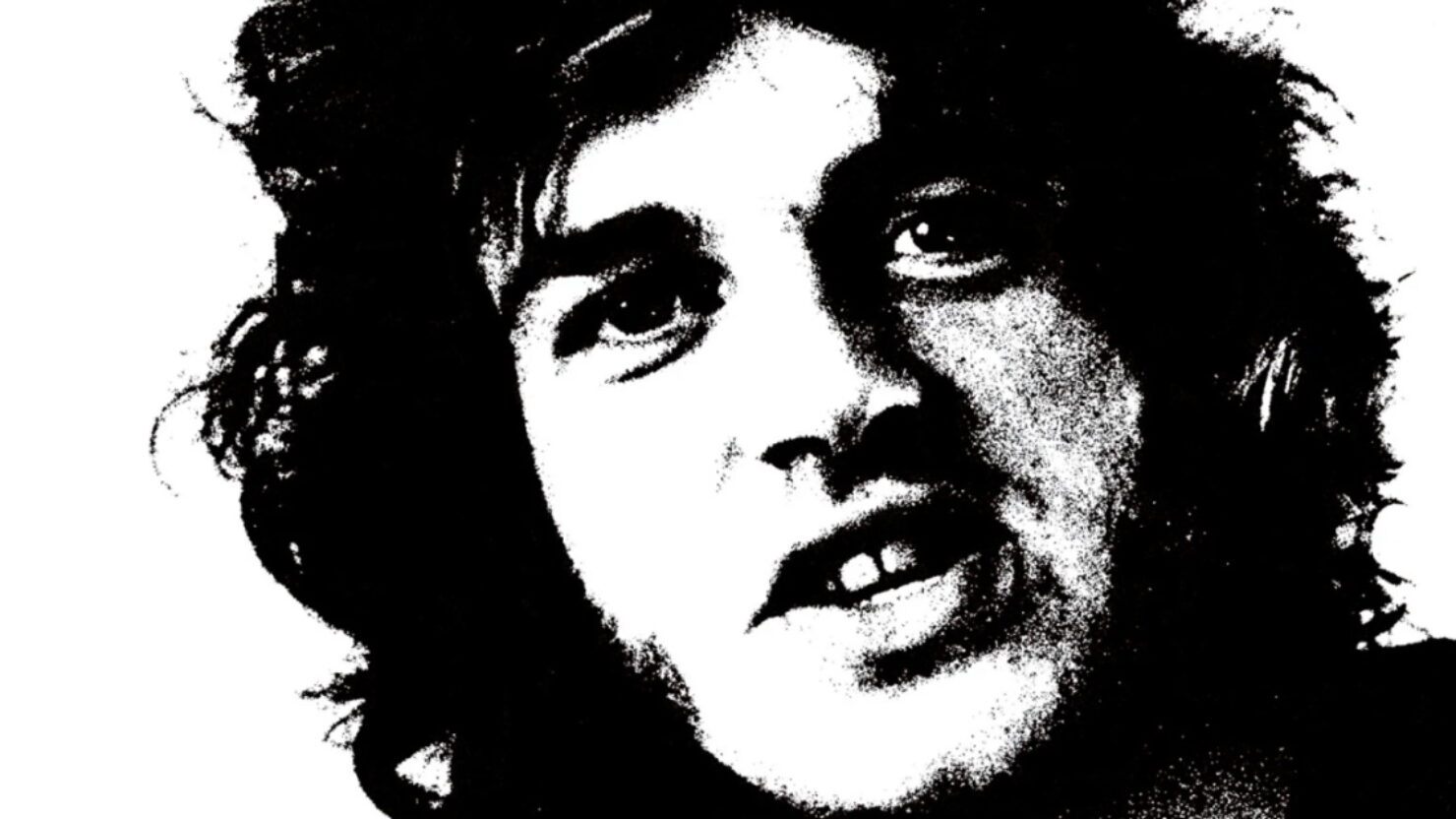
It was October 2nd, 1976. Most people watching Saturday Night Live that night expected the usual chaos of the "Not Ready For Prime Time Players." What they got instead was a bizarre, twitchy, and strangely beautiful collision of mimicry and reality.
John Belushi walked onto the stage. He wasn't in a sketch. He wasn't playing the Samurai or a Cheeseburger-slinging short-order cook. He was wearing an old shirt, looking disheveled, and he started to twitch. Then, the real Joe Cocker walked out.
The band struck up "Feelin' Alright." For the next few minutes, the line between the parody and the person vanished.
If you watch the footage now, it’s uncomfortable. It’s also genius. Most modern fans of the show see clips of Belushi’s Cocker impression and assume it was a mean-spirited mockery of Cocker’s neurological-looking stage presence. It wasn't. Belushi worshipped the guy. This specific moment of Joe Cocker and John Belushi Saturday Night Live history remains the gold standard for how the show handles musical guests. It wasn't just a performance; it was a double-vision fever dream that defined the 1970s counter-culture.
The Origin of the Twitch
John Belushi didn't just "do" Joe Cocker. He inhabited him. Before SNL even existed, Belushi was honing this specific bit on the National Lampoon Radio Hour and in stage shows like Lemmings.
Belushi was obsessed with the way Cocker moved. It wasn’t just the flailing arms or the way his fingers seemed to play invisible piano keys in the air. It was the grit. Cocker was a soul singer trapped in a Sheffield gas fitter’s body, and Belushi, a kid from Chicago with too much energy and a love for rhythm and blues, saw a kindred spirit.
When Cocker’s career hit a rough patch in the mid-70s—largely due to his struggles with alcohol and the grueling pace of the Mad Dogs & Englishmen era—Belushi’s impression became the thing people remembered most. Some critics at the time thought it was cruel. They saw Belushi falling over and spilling beer on himself while singing "With a Little Help from My Friends" as a jab at Cocker’s sobriety, or lack thereof.
But Cocker didn't see it that way. Not really.
He reportedly loved it. He found it hilarious because Belushi actually nailed the vocals. That’s the secret: Belushi could actually sing. He wasn't just making noise; he was hitting those raspy, soulful notes that made Cocker a star at Woodstock.
What Really Happened on October 2, 1976
The atmosphere at 30 Rock was electric during the second season. Lorne Michaels was still figuring out how far he could push the "live" aspect of the show. Bringing Joe Cocker on as the musical guest was already a big deal, but the decision to have Belushi perform beside him was a gamble.
They stood side-by-side.
Cocker, in a tie-dye shirt, began the opening growl of "Feelin' Alright." Belushi, dressed in a near-identical outfit, stood about three feet to his left.
As Cocker’s arms started to swing, Belushi’s did the same. It was like a distorted mirror image. When Cocker leaned back to hit a high note, Belushi leaned back further, eventually collapsing onto the floor and spinning around while continuing to sing.
The audience didn't know whether to laugh or cheer. So they did both.
Why the "Mirror" Worked
- The Physicality: Belushi didn't just mirror the movements; he amplified them until they became a physical manifestation of the music itself.
- The Respect: Watch Cocker’s face. He’s grinning. There is a moment where he looks over at Belushi, and you can see the genuine amusement. He wasn't the butt of the joke; he was in on it.
- The Vocal Sync: They were actually harmonizing. It wasn't a "bad" version of the song for comedic effect. It was a legitimate musical performance.
Honestly, it’s hard to imagine a celebrity today having that much of a sense of humor. Imagine a modern pop star standing next to a comedian who is mocking their every tic and insecurity on live television. It just doesn't happen anymore. The ego gets in the way. But Cocker was different. He was a survivor.
The Complicated Legacy of the Impression
We have to talk about the dark side of this. We really do.
Joe Cocker spent years trying to distance himself from the "Woodstock version" of himself—the guy who moved like he was being electrocuted. When Belushi made that the centerpiece of his comedy, it cemented that image in the public consciousness forever.
In some ways, the Joe Cocker and John Belushi Saturday Night Live performance saved Cocker's career by making him relevant to a younger, hipper audience. In other ways, it made it impossible for him to be seen as anything other than a caricature for a long time.
Cocker later admitted in interviews that people would come up to him in airports and start doing the "Belushi twitch." He’d just have to smile and nod. It’s a strange fate—to be a world-class vocalist whose legacy is tied to a comedian’s physical comedy.
But the bond between the two was real. When Belushi died in 1982, Cocker was vocal about his sadness. He recognized that Belushi’s portrayal came from a place of fandom, not malice.
Debunking the Myths
There are a few things people get wrong about this episode. You’ll hear people say that Cocker was high or that Belushi was trying to upstage him because of some backstage feud.
None of that is true.
Backstage accounts from people like Anne Beatts and the original writing staff suggest that Cocker was incredibly professional. He was nervous, sure. Who wouldn't be? He was standing next to the biggest comedic force in America at the time. But there was no animosity.
Another myth is that this was the only time they performed together. While this is the "official" legendary SNL moment, Belushi would continue to perform Cocker songs with the Blues Brothers, often using the same vocal stylings he perfected for the impression. He never really let the character go because, in a way, it wasn't a character. It was just how John Belushi felt music.
Technical Mastery: The "Cocker" Vocal
If you’re a singer, you know that what Belushi did was actually difficult. To get that "gravel" without shredding your vocal cords takes a specific kind of technique—or a lot of whiskey. Belushi had both.
Cocker’s voice was influenced by Ray Charles. It was about the "squeeze" of the note. When Belushi did the impression, he wasn't just yelling; he was hitting the blues scale. This is why the Joe Cocker and John Belushi Saturday Night Live duet sounds surprisingly good if you listen to the audio without the video. The harmonies in the chorus are actually tight.
Key Elements of the "Cocker/Belushi" Style:
- The Spasmodic Arm: The left arm usually stays bent at a 90-degree angle, while the right hand "claws" at the air.
- The Head Snap: Snapping the chin toward the shoulder during a vocal break.
- The Stagger: Moving as if the floor is made of rubber.
- The Soul: Closing your eyes and genuinely feeling the lyrics, even if you look ridiculous doing it.
Why This Still Matters in 2026
We live in an era of "curated" viral moments. Everything on TikTok or late-night TV feels rehearsed to the point of exhaustion. The magic of the 1976 Cocker/Belushi set was the danger.
It felt like anything could happen. Belushi could have accidentally tackled Cocker. Cocker could have walked off. Instead, they created a moment of pure, unadulterated rock and roll theater.
It reminds us that comedy is at its best when it's a little bit dangerous and a little bit soulful. It wasn't just a sketch; it was an homage. It was one artist recognizing the raw power of another and wanting to be a part of it.
How to Revisit the Moment
If you want to truly appreciate what happened that night, don't just watch the 30-second clip on social media.
- Watch the full performance of "Feelin' Alright" from Season 2, Episode 3. Pay attention to the band—the SNL house band was incredible back then, and they didn't miss a beat while Belushi was rolling around on the floor.
- Compare it to Cocker’s 1969 Woodstock performance. You’ll see exactly where Belushi pulled his "source material" from.
- Listen to the Blues Brothers' live albums. You can hear the Cocker influence in every growl Belushi makes.
The legacy of Joe Cocker and John Belushi on Saturday Night Live isn't just a funny bit. It’s a testament to a time when television was allowed to be weird, messy, and deeply human.
Next Steps for Music and Comedy Fans:
To get a deeper sense of the musicality involved, listen to Joe Cocker’s Mad Dogs & Englishmen live album. It provides the essential context for the "energy" Belushi was trying to capture. After that, look for the 1970 film of the same name. Seeing the real-life chaos of Cocker's peak tour years makes the SNL parody seem almost grounded by comparison. You’ll realize that Belushi wasn't exaggerating as much as you thought. He was just capturing a man who was entirely possessed by the music he sang.