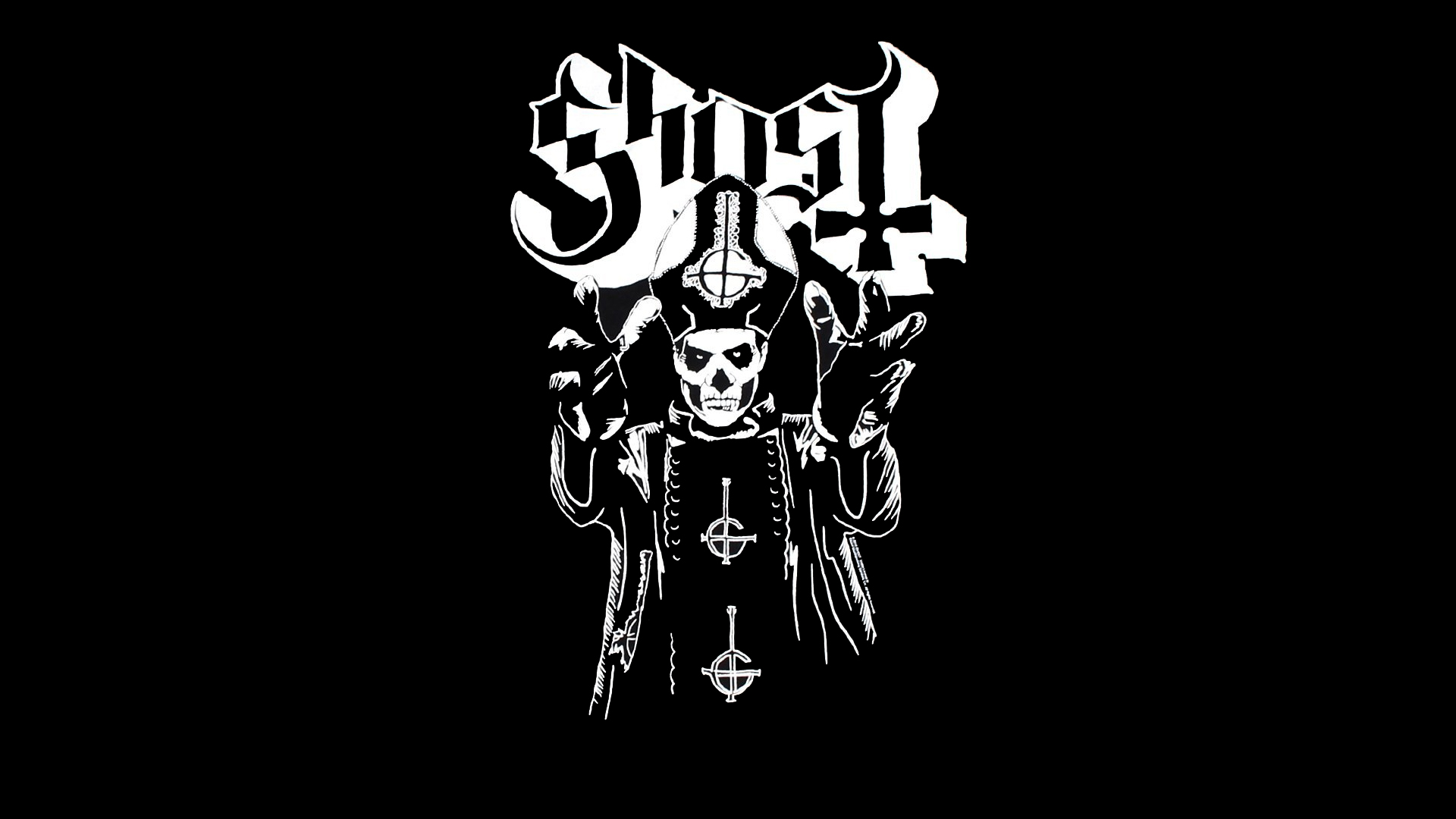
He didn’t start as a king. When Cardinal Copia first wobbled onto the stage on a tricycle, wearing that slightly ill-fitting tuxedo and a prosthetic mask that looked a bit too "uncanny valley" even for Ghost, the fanbase was split. Some people loved the goofy, awkward energy. Others missed the cold, skeletal dignity of Papa Emeritus III. But then, on March 3, 2020, at the Palacio de los Deportes in Mexico City, everything shifted. During the final show of the Prequelle tour, the Nihil Ancestor died, the Sisters of Sin swarmed, and the Cardinal was anointed. He didn't just get a promotion; he became Papa Emeritus IV.
It was a total reinvention.
Usually, the transition between Papas feels like a funeral. This felt like a coronation. Tobias Forge, the mastermind behind the mask, has always been a genius at lore, but with Papa IV, he tapped into something much bigger—stadium rock grandiosity. If the previous Papas were underground cult leaders, Papa IV was designed to be a global superstar. He had the blue and gold robes, the sequins, and eventually, the bat-wing suits that made him look less like a pope and more like a demonic Liberace.
The Era of Impera and the Papa IV Swagger
Ghost has always been about evolution. You can't stay a niche Swedish doom metal act forever if you want to sell out arenas, right? Papa Emeritus IV was the face of the Impera album cycle, which dropped in 2022. This wasn't the plague-obsessed, dark-ages vibe of Prequelle. This was about the rise and fall of empires, industrialization, and 80s-inspired arena anthems.
Honestly, the music changed because the character changed.
Songs like "Kaisarion" and "Spillways" required a frontman who could run. Literally run. Previous Papas were stiff. They moved with a sort of ecclesiastical slow-motion. Papa IV? He was doing lunges. He was cracking jokes about "taints" and "tickling internal organs." He became the most human version of the character we’d ever seen, despite the heavy prosthetic makeup and the increasingly elaborate costumes.
There's this specific thing he does during "Year Zero." He stands there, bathed in red light and pyro, and he doesn't just lead a ritual—he conducts the audience. It's a subtle shift in stage presence that moved Ghost from being a "gimmick band" to being one of the most important rock acts of the decade. People who used to make fun of the masks started buying the vinyl.
Why the "Cardinal" Origins Mattered
You can't understand why Papa Emeritus IV is so beloved without looking back at his time as Cardinal Copia. He’s the only Papa who had to earn his title. Every other Papa was part of the bloodline—Emeritus I, II, and III were brothers. Copia was an outsider. A "bastard" son, as the lore heavily implies (hinting that Papa Nihil was his father).
This gave him an underdog quality.
When he finally took the mantle, it felt like a payoff for the fans who had watched him struggle through the Prequelle era. He went from a bumbling middle-manager to a literal dark sovereign. That narrative arc is something you don't usually get in heavy metal. Usually, a band just changes their logo or their hair. Ghost changed a man's entire soul.
Breaking the Fourth Wall and the Movie Magic
By the time the Re-Imperatour rolled around in 2023, Papa IV was a seasoned pro. But things started getting weird. The lore videos (the "Chapters" on YouTube) started showing Papa IV getting nervous. He was seeing Mr. Saltarian preparing a new casket. He knew his time was coming.
Then came Rite Here Rite Now.
This wasn't just a concert film. It was the cinematic culmination of the Papa Emeritus IV era. Filmed over two nights at the Kia Forum in Los Angeles, it blended high-octane live performances with a narrative story that finally addressed the destiny of the character. We saw him behind the scenes, interacting with Sister Imperator, showing vulnerability that a "satanic pope" shouldn't really have.
It worked because it was sincere.
Tobias Forge has often said in interviews, like with Metal Hammer or Rolling Stone, that he views Ghost as a theatrical production similar to Iron Maiden meets Alice Cooper. But with Papa IV, it became something closer to The Rocky Horror Picture Show. The audience wasn't just watching; they were participating in the life and eventual "death" of this specific iteration.
What Most People Get Wrong About the Transition
A lot of casual listeners think the "new Papa" is just a marketing gimmick to sell more t-shirts. Well, sure, the merch sales are insane. But from a technical standpoint, the change in Papa Emeritus IV allowed the band to explore different vocal ranges and stage dynamics.
- Vocal shift: Papa IV’s era moved away from the nasal, eerie tones of Opus Eponymous and into a powerhouse, melodic rock style.
- The Ghouls: Even the Nameless Ghouls evolved during his tenure, switching to steampunk-style diver helmets that complemented his regal look.
- Setlists: Under Papa IV, Ghost began playing 20+ songs a night, something the earlier, more "low-energy" Papas might have struggled to carry.
There’s also the misconception that Papa IV is "done" the second he leaves the stage. In reality, the impact of this specific character has defined Ghost's peak commercial success. He's the one who took them to the Grammys (again) and onto the late-night talk show circuit. He’s the Papa that "Call Me Little Sunshine" belongs to.
The Logistics of the Mask
Let's get nerdy for a second. The mask for Papa Emeritus IV is a marvel of practical effects. Unlike the early masks, which were basically "over-the-head" latex pieces that didn't move much, the Papa IV prosthetics are multi-piece applications. This allows for actual facial expressions.
When he smiles, you see it. When he looks tired, you feel it.
The heat inside those arenas is brutal. Imagine wearing full papal robes, a silicone mask, and heavy face paint while standing under thousands of watts of stage lights and literal flamethrowers. It’s a physical feat. The fact that Forge can maintain the character's voice—which is a very specific, slightly accented theatrical delivery—while performing "Dance Macabre" is wild.
Actionable Insights for Ghost Fans and Collectors
If you're looking to dive deeper into the era of Papa Emeritus IV, or if you're a collector trying to track down the history, here is how you should approach it:
1. Watch the Chapters in Order
Don't just jump into the music videos. Go to Ghost's official YouTube channel and watch "The Chapters" from the beginning of the Cardinal Copia era. It’s the only way to see the subtle character work that leads to the Papa IV transformation. You’ll notice the exact moment his confidence shifts.
2. Analyze the Rite Here Rite Now Soundtrack
The live album from the movie is the definitive sonic document of Papa IV. Listen to the way he interacts with the crowd. It’s much more "vaudeville" than the recorded versions of the songs on Impera.
3. Look for the "Blue Tuxedo" Variants
In the world of Ghost collectibles, the Papa IV era is defined by his outfits. If you're looking for figures (like Super7 or NECA), the "Blue Tuxedo" version is the iconic "casual" Papa IV, while the "Robes" version represents the liturgical side.
4. Study the Symbolism
Papa IV’s Grucifix is slightly different from his predecessors. It’s more ornate, reflecting the "Imperial" theme. Look closely at the embroidery on his stage clothes—there are hidden symbols related to the fall of Rome and various alchemical signs that tie directly into the lyrics of Impera.
The reign of Papa Emeritus IV wasn't just a chapter in a band's history. It was the moment Ghost stopped being a "spooky" secret and became a legitimate cultural phenomenon. Whether he is eventually replaced by a Papa V or something entirely different, the blueprint he left behind for how a rock frontman should command a stage is permanent. He took the "Cardinal" and made him a god.
To fully grasp the transition, go back and compare the Mexico City 2020 fan footage with the Los Angeles 2023 professional footage. The growth in confidence, vocal control, and stage presence isn't just a costume change—it's a masterclass in performance art. You see a performer who finally realized exactly how much power he held over the "clergy" in the palm of his hand.