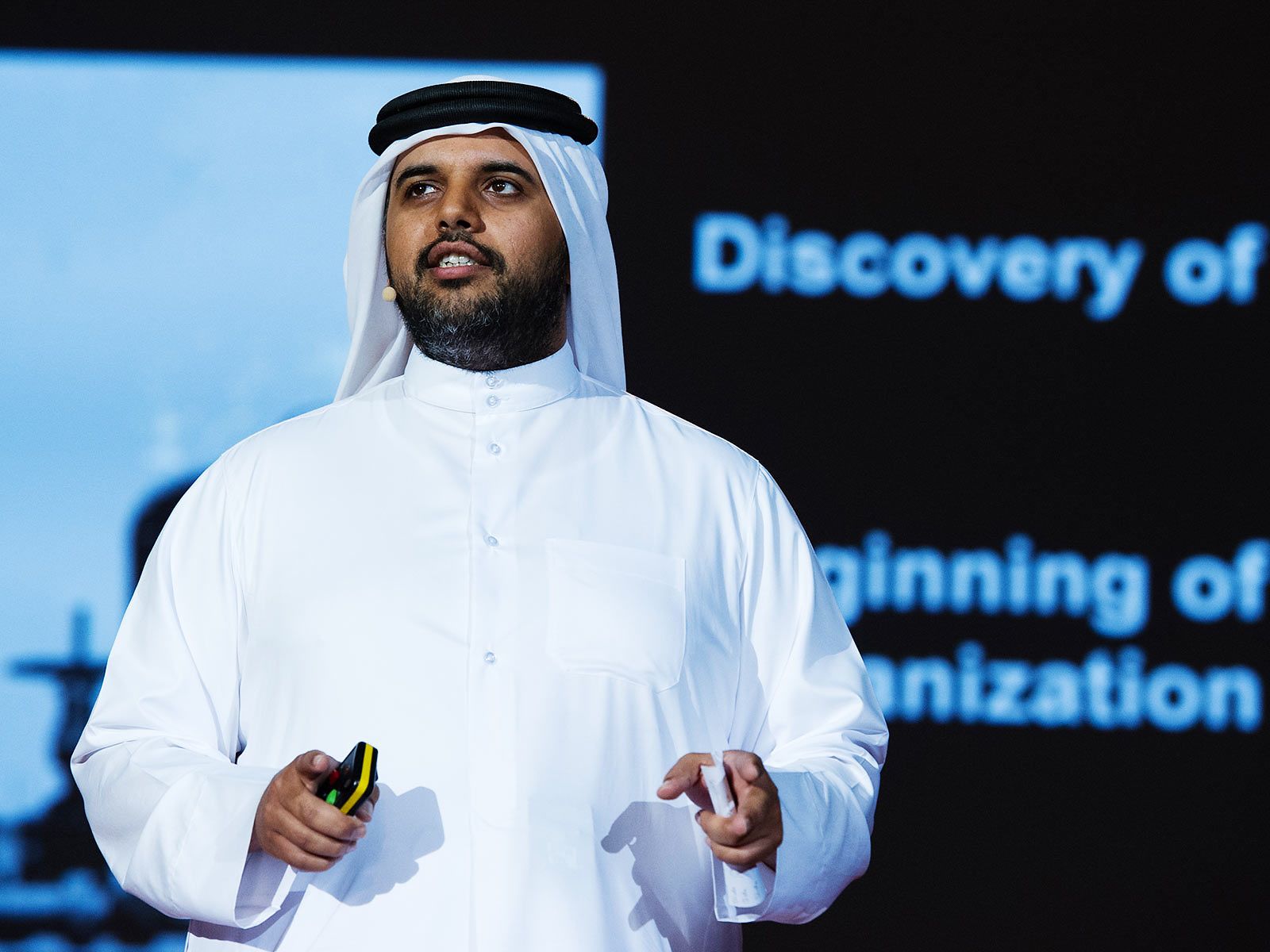
Water is weird. We drink it, bathe in it, and complain when it rains on our parade, but most of us honestly don’t understand how it works or why it's disappearing. If you’ve ever spiraled down a YouTube rabbit hole looking for TED talks on water, you’ve probably realized that the "water crisis" isn't just one big problem. It’s a thousand tiny, messy problems stacked on top of each other.
Some speakers talk about the physics of a single droplet. Others are screaming about the fact that we’re literally running out of the fresh stuff while the oceans rise. It’s a bit of a paradox, right? Water everywhere, but not a drop to drink—or whatever that old poem says.
The thing is, most people think they’ve heard it all before. "Save the planet, turn off the tap while you brush your teeth." But the most impactful speakers on the TED stage aren't recycling those tired 1990s tips. They are looking at things like atmospheric water generation, the strange memory of water molecules, and the terrifying reality of "virtual water" that we "eat" every single day.
The Speakers Who Flipped the Script
If you want to understand the modern landscape of H2O, you have to start with Ludwick Marishane. He was just a teenager in South Africa when he came up with "DryBath." His TED talk is legendary because it wasn't about saving the environment in a fuzzy, feel-good way. It was about survival and hygiene for the billions of people who don't have the luxury of a 10-minute hot shower. He basically invented a gel that cleans your skin without a single drop of water. It sounds like sci-fi, but it’s real, and it’s a massive deal for public health in water-stressed regions.
Then you have Anupam Saraph. He gets into the weeds about how we manage water, or more accurately, how we mismanage it. He points out something kinda uncomfortable: we don’t have a water shortage; we have a "water intelligence" shortage. We treat water like a commodity that can be owned, but Saraph argues it’s a cycle that needs to be respected. When we break the cycle—by over-pumping aquifers or polluting rivers—we aren't just losing a resource. We’re breaking the planet’s circulatory system.
Why Science Still Struggles with the Basics
It’s hilarious, in a dark way, that we can map the human genome but scientists still argue about the basic properties of water. Gerald Pollack is the name you’ll see pop up if you look for the more "fringe" but fascinating side of this. He talks about the "fourth phase" of water. Most of us learned liquid, ice, and vapor in grade school. Pollack suggests there’s a structured, gel-like state called "EZ water" (Exclusion Zone) that reacts to light.
Is it settled science? Not entirely. It’s controversial. Some researchers think he’s onto something huge regarding how our cells work; others think it’s a bit of a stretch. But that’s the beauty of these presentations—they push the boundaries of what we think is "settled."
The "Virtual Water" Trap You’re Living In
Have you ever thought about how much water is in your jeans? Not the water you used to wash them. I mean the water it took to grow the cotton and dye the fabric. Lana Mazahreh has this great talk where she shares lessons from growing up in Jordan, one of the most water-poor countries on Earth. She highlights a reality most Westerners ignore: we export and import water through our products.
It takes roughly 2,700 liters of water to make one cotton T-shirt. That is enough for one person to drink for two and a half years.
- A single burger? About 2,400 liters.
- A cup of coffee? 140 liters.
- That steak dinner? You don't even want to know.
When we talk about TED talks on water, the ones that stick are the ones that make you look at your lunch and feel a little bit of guilt. Not the "I’m a bad person" guilt, but the "Oh, I see how the gears turn now" realization. We are using up the groundwater in places like California and India to grow food that gets shipped across the world. We are basically "shipping" our water away in the form of almonds and beef.
Is Technology Going to Save Us?
Every few years, a talk goes viral promising a magic bullet. Michael Pritchard showed off the Lifesaaver bottle years ago, and people lost their minds. It could turn filthy, pond-scum water into sterile drinking water in seconds. It was a "wow" moment. But tech alone hasn't solved the crisis.
The issue is scale.
We can desalinate the ocean, but it's incredibly expensive and leaves behind toxic brine. Deepika Kurup, who started her journey as a middle-schooler, developed a way to use solar energy to purify water. Her story is inspiring because it shows that the next big breakthrough probably won't come from a massive corporation, but from someone looking at a problem with fresh eyes and a cheap lab setup.
The Conflict No One Wants to Discuss
We need to talk about "Water Wars." It sounds like a bad Mad Max rip-off, but it’s a genuine concern for geopolitical experts. When rivers cross borders—like the Nile or the Mekong—who owns the water?
If one country builds a dam, the country downstream gets screwed. Several TED talks on water touch on this, but they often play it safe. The reality is much grittier. We’re seeing tensions rise between Ethiopia and Egypt, and between India and Pakistan. Water isn't just "life"; it's power. It’s leverage. If you control the flow, you control the neighbors.
How to Actually Use This Information
Watching a video is easy. Doing something is hard. Most people watch these talks, feel inspired for twenty minutes, and then go back to their lives. If you actually want to make a dent, you have to move past the "awareness" phase.
Stop thinking about "saving" water and start thinking about "valuing" it.
- Audit your "water footprint." Use an online calculator to see how much virtual water you’re consuming. It’s usually your diet and clothing choices that matter way more than your shower length.
- Support decentralized solutions. Big dams are often ecological disasters. Look into organizations that focus on rainwater harvesting or small-scale filtration.
- Pressure local policy. In many places, the biggest water wasters aren't individuals; they are outdated industrial processes or agricultural subsidies that encourage growing thirsty crops in the desert.
- Watch the "unpopular" talks. Don't just stick to the ones with 10 million views. Look for the local TEDx events in places like Chennai, Cape Town, or Mexico City. Those speakers are living the crisis right now, and their insights are usually much more practical than the high-level "visionary" stuff.
The global water cycle is a closed system. We aren't getting any "new" water from space. The water you drank today is the same water that’s been cycled through the earth for billions of years. It’s been through dinosaurs, through glaciers, and through the sewers of Rome. Our job isn't to create more of it—we can't—our job is to stop breaking the system that cleans it for us.
Understanding the complexity of TED talks on water helps you realize that the solution isn't just a better filter or a shorter shower. It's a complete shift in how we view our relationship with the most precious substance in the universe.
Actionable Next Steps
Start by watching Lana Mazahreh’s talk on water lessons from the desert to get a perspective on extreme scarcity. Follow it up with Seth Siegel’s insights on how Israel became a leader in water tech despite its geography. Finally, look up your local watershed map. Knowing exactly where your tap water comes from—and exactly where your waste goes—is the first step toward becoming a person who doesn't just watch talks, but actually understands the flow of life in their own backyard. Check your local utility's annual water quality report; it's public record and usually contains eye-opening data about the specific chemical challenges in your immediate area.